
Maersk Signals Gradual Return to Red Sea and Suez Canal after Months of Disruption
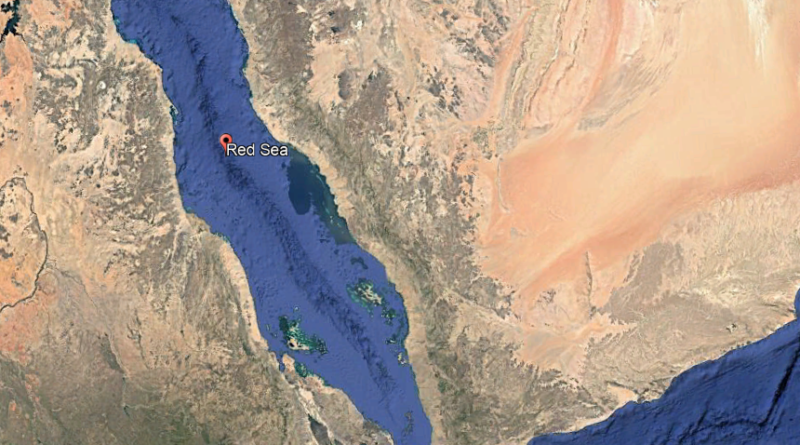
Maersk, the Danish shipping giant, has announced plans to resume limited operations through the Red Sea and Suez Canal later this month, ending more than a year of avoiding the critical route due to security concerns linked to Houthi attacks.
Starting January 26, Maersk will reintroduce its Suez Canal transit with a vessel sailing from Salalah, Oman, as part of a cautious, step-by-step return. The company described this move as “staggered and cautious,” emphasizing that maritime security remains a top priority.
The resumption comes after a ceasefire in Gaza earlier this year, which raised hopes for calmer conditions in the region. A successful trial voyage on the route has further reinforced Maersk’s confidence in restarting limited operations.
Impact on Markets and Global Shipping
Following the announcement, Maersk shares dropped over 5%, reflecting market expectations that freight rates may decline as ships return to the shorter Asia-Europe corridor. Since late 2023, major shipping carriers had rerouted vessels around the Cape of Good Hope, avoiding the Red Sea after a series of Houthi attacks on commercial ships. This detour increased transit times and costs, affecting global supply chains.
The first service to resume via the Suez Canal will be Maersk’s MECL route, connecting the Middle East and India with the U.S. East Coast. According to the company, using the Suez Canal could reduce transit times by up to a week, improving schedule reliability and cutting costs for customers.
Industry Perspectives
Shipping analysts describe Maersk’s cautious return as a potential turning point. The company has been one of the most conservative carriers regarding Red Sea operations, and its move may influence other lines to reconsider their routes.
Freight forwarders and cargo owners are watching closely. While safety concerns remain, many are eager for faster transit times and more predictable shipping schedules. Maersk emphasized that its return to the Suez Canal is gradual and reversible; with contingency plans ready should the security situation deteriorate.
Other carriers are adopting different strategies. CMA CGM has selectively continued using the Red Sea when conditions allow, while Hapag-Lloyd maintains its current routing but is monitoring developments closely.
Strategic Importance of the Suez Canal
Before the Houthi attacks, the Suez Canal handled roughly 10% of global seaborne trade, serving as the vital link between Europe and Asia. A broader return of vessels could ease pressure on freight rates and boost imports from Asia, particularly China.
Despite the ongoing fragile situation in Gaza, the recent lull in hostilities has renewed cautious optimism that shipping through the Red Sea and Suez Canal may gradually return to normal.