Editorial

Editorial

Op-Ed: The Invisible Anchor: Women, Pakistan’s Maritime Economy, and its Rising Blue Economy Potential

Today, 18 May 2026, the International Maritime Organization (IMO) observes the International Day for Women in Maritime under the theme “From Policy to Practice: Advancing Gender Equality for Maritime Excellence.
The choice of words is not incidental , it is an admission. After years of resolutions, commitments, and award ceremonies, IMO Secretary-General Arsenio Dominguez acknowledged this week: “Despite our longstanding commitment to fostering gender diversity across the maritime sector, persistent challenges remain. It is time to reflect deeply and ask, where are we falling short, and what practical measures can we implement to move beyond rhetoric and achieve meaningful, lasting change?” (IMO, 2026)

Read More
Editorial

Op-Ed: Inside the Life of Seafarers Navigating War Zones :Risk at Sea in 2026

From the merchant mariners torched by U-boats in 1942 to the crews abandoning burning hulls in the Red Sea today, to the 20,000 seafarers now stranded in the Persian Gulf as Iran closes the Strait of Hormuz, the seafarer has always been history’s most forgotten combatant, a civilian who carries the world’s commerce through corridors of geopolitical fire, without armour, without recognition, and without adequate protection.

Read More
Editorial

Op-Ed: Panama and its Important Role in International Maritime Trade and its Ship Registry

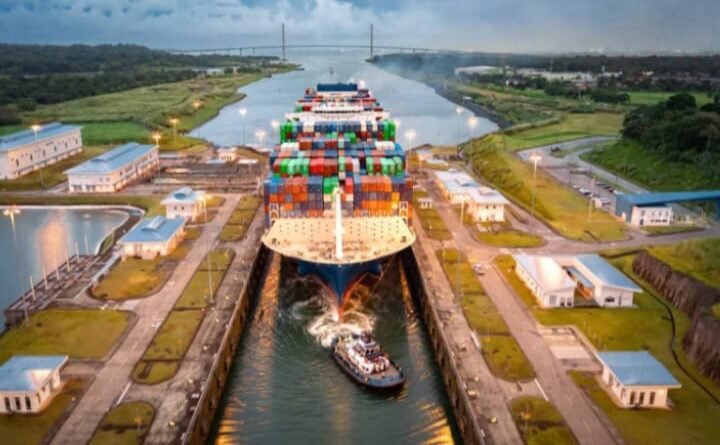
Before 1914, vessels had to travel all the way to the southern tip of the American continent to cross from one ocean to another. The opening of the Panama Canal drastically transformed global trade since its inauguration, reducing transit time and avoiding high transportation costs. Panama not only leads in the transit of goods but also positions itself as one of the largest ship registries in the world, with strong legal security in ship mortgages and a specialized legal framework that guarantees safe and efficient transactions.
Approximately 5% of global trade passes through this engineering work, generating significant revenue for the National Treasury in the Republic of Panama. On September 7, 1977, the Torrijos–Carter Treaties were signed between Panama and the United States, completely changing the course of the Canal’s administration. This treaty established that Panamanians would have control over the Canal, and the transfer was completed on December 31, 1999.

Read More
Editorial

Op-Ed: Methanol, Ethanol, and Biofuels: Steering the Maritime Industry toward Energy Resilience

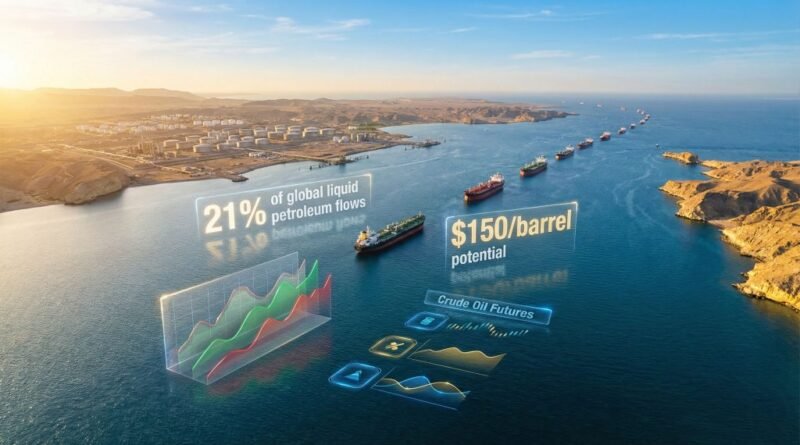
The maritime sector is at the crossroad of energy in a world that is becoming increasingly unpredictable geopolitically and whose global supply chains are becoming increasingly fragile. The reliance on traditional petroleum fuels which are the hitherto undisputed back bone of international trade and shipping is increasingly becoming susceptible. With the tension on strategic waterways like Strait of Hormuz and the Suez Canal intensifying, the need to have stronger fuel strategies is no longer an optional measure but a strategic necessity of maritime trade. The core of change is biofuels, such as methanol, ethanol and future generation fuels based on biomass, which promise to bring a greater level of energy security and mitigate environmental impact.

Read More
Editorial

Op-Ed: Sanctioned Vessels and International Maritime Law; Compliance, Conflict, and the Future of Sea Trade

The legal and economic consequences of authorized vessels can be seen as one of the most far-reaching maritime events of the 21st century, as in the world of global commerce, approximately 80% of all trade is shipped by sea. Whether it is the shadow fleets which are running in disobedience of world sanctions or the action taken by states which are enforcing the international norms, the problem is much deeper than what is on the headlines. It compels a profound scrutiny of the intersection of international maritime law with geopolitics, economic sanctions and strategic sea lanes.

Read More
Editorial

Op-Ed: The Strait of Hormuz Tension is more than a War Story ,It’s a Strategic Shock to Global Maritime Trade

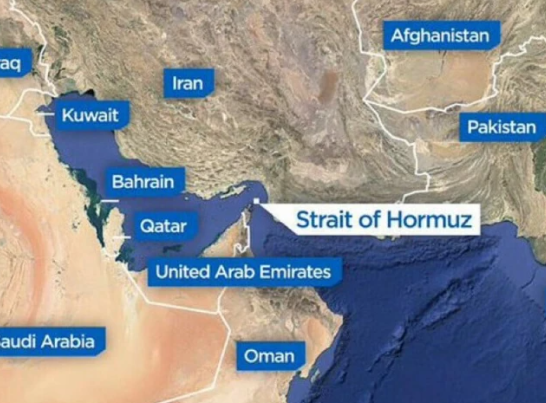
The Strait of Hormuz is not just a blue line on the map, but rather the respiratory system of the international energy economy and an essential artery of international trade. Approximately 20 percent of the world daily crude oil and much of the liquefied natural gas pass through this chokepoint between the Persian Gulf and the Gulf of Oman and the Indian Ocean. That importance, always high, has exploded into stark focus as recent escalations between the United States, Israel, and Iran have dramatically elevated the risk to maritime traffic.

Read More
Editorial

Op-Ed:  Salvage Operation at Gaddani: A Serious Threat to National Underwater Heritage and Marine Biodiversity

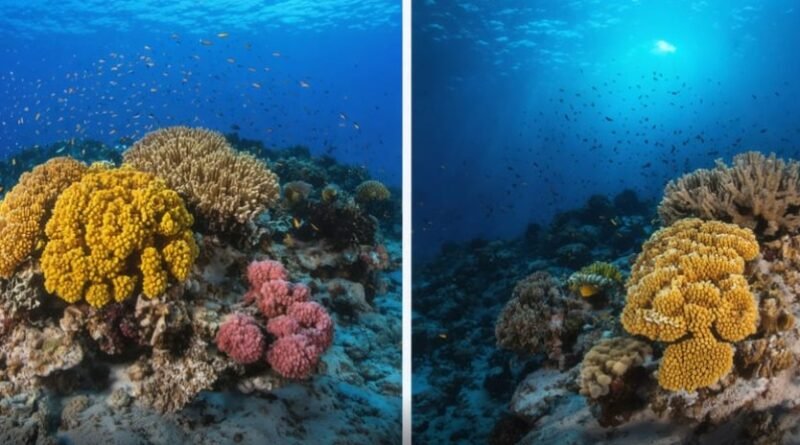
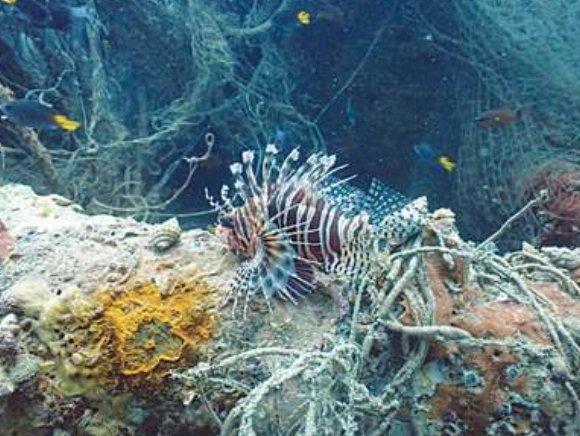
Coral reef habitats in Pakistan occur at a limited number of locations. These include areas off Hawksbay (between Abdur Rehman Goth and Cape Monz), Goth Mubbarak/Bhit Khori, Churna Island, Kaio Island, Ormara (Rodrigues Shoal), off Taq/Sakoni, Astola Island, Gwadar (off Headland), and the Daran-Jiwani region. Smaller reef patches are also present along parts of the Sindh and Balochistan coastlines.
Although restricted in distribution, these reef systems support a variety of marine organisms and provide habitat for many fish species. In addition to natural reef environments, shipwrecks along Pakistan’s coastline also influence local biodiversity patterns.

Read More
Editorial

Op-Ed: CIPS, Shipping Routes, and the Structural Evolution of Global Trade Finance

Global trade is rarely shaped by rhetoric. It is shaped by tonnage, freight rates, port throughput, invoices, and settlement cycles. Long before political narratives emerge, commercial logic quietly determines outcomes. Financial infrastructure, contrary to popular belief, has almost never led trade; it has consistently followed it. From the gold standard to Bretton Woods, and later the rise of a US-dollar-centric settlement architecture, payment systems evolved in response to where goods flowed and how frequently ships sailed, not the other way around. China’s Cross-border Interbank Payment System (CIPS) should be understood within this historical continuum. It is less a geopolitical declaration than a commercial response to a changing geography of trade. As the Bank for International Settlements has repeatedly observed, payment systems tend to adapt to trade patterns rather than redirect them (BIS, 2022).

Read More
Editorial

Op-Ed: Seaweeds– A Billion-Dollar Resource Lying along the Coast

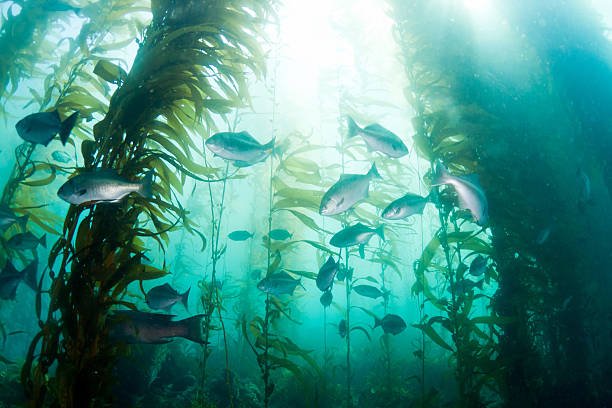
Pakistan is a maritime nation by geography, yet much of its marine wealth remains unexplored and undervalued. The coast of Pakistan is over 1000 km long, which consist of Sindh and Makran coast includes a number of beaches, various islands and mangrove swamps. The coastal belt around Buleji, Hawks bay, Manora, Sandspit, Paradise Point, Nathia Gali, Pacha and Cape Monze have various species of seaweeds. Among the most neglected of these are seaweeds.

Read More
Editorial

The Rising Tide of Technology: Remote Sensing is transforming the Future of Fisheries

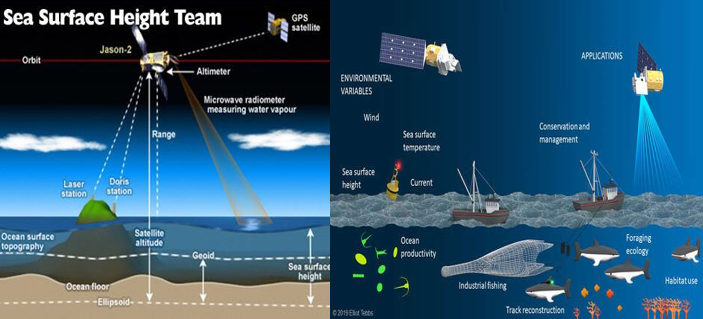
A fisherman rely on traditions passed down through generations, lunar cycles, shifting winds, and the hue of the water. Ocean rhythms were discovered via experience and read like a book for generations. But today, a revolution is sweeping across the world’s fisheries, quietly, steadily, from 700 km above our heads, as satellites high in space continuously monitor our oceans and guide modern fisheries with data that once seemed impossible to obtain.

Read More
Editorial

Unregulated Recreational Fishing is Fueling a Massacre of Our Marine Resources

Recreational or sport fishing is considered important for health, conservation efforts, community building, and economic benefits through tourism, promoting a vital connection to nature while fostering stewardship, supporting fisheries management, and providing relaxation and social interaction. In Pakistan, sport fishing in the inland water bodies and coastal waters is also considered important, as it is mainly aimed at relaxation and for the provision of high-quality and protein-rich food. In the inland waters, the recreational fisheries are undertaken along large rivers, canals, lakes, reservoirs, and other water bodies. In some cases, sport fishing in freshwater bodies is associated with commercial fishing, which is mutually beneficial for the professional fishermen and those who engage in this activity for recreation. In most cases, sport fishing is undertaken in small scale and does not result in mass-scale killing of the fisheries resources and damage to the ecosystem.

Read More