
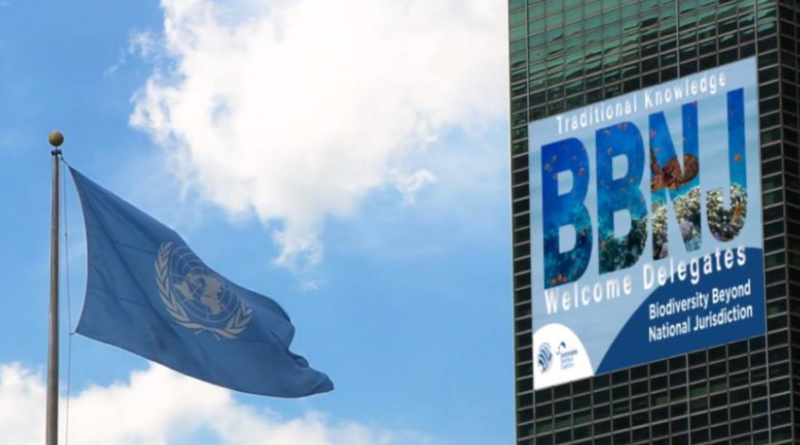
Global BBNJ Agreement to Protect Ocean Biodiversity in International Waters Enters into Force on 17 January 2026
The world’s first legally binding global treaty aimed at protecting marine biodiversity in international waters will enter into force on 17 January 2026, marking a major milestone in ocean governance. Known formally as the Biodiversity beyond National Jurisdiction (BBNJ) Agreement, the treaty establishes a comprehensive framework for the sustainable use and conservation of marine resources on the high seas.
Adopted under the United Nations Convention on the Law of the Sea (UNCLOS), the BBNJ Agreement introduces binding rules covering the management of marine genetic resources, including the fair and equitable sharing of benefits, the creation of area-based management tools such as marine protected areas, requirements for environmental impact assessments, and strengthened capacity-building and transfer of marine technology to support developing countries.
Welcoming the entry into force of the agreement, IMO Secretary-General Arsenio Dominguez described it as a landmark achievement in global ocean cooperation. He said the treaty demonstrates that countries can unite around a shared vision to manage the ocean sustainably while ensuring its benefits are distributed fairly. Dominguez added that the International Maritime Organization (IMO) stands ready to support the implementation of the BBNJ Agreement within its areas of expertise.
Shipping activities on the high seas are already governed by strict environmental, safety, and security regulations, which apply throughout a vessel’s entire voyage. IMO has developed more than 50 globally binding conventions and instruments that promote the sustainable use of the oceans, enforced through a robust system of flag State, coastal State, and port State control.
Several IMO conventions actively contribute to the conservation of marine biodiversity in areas beyond national jurisdiction. These include the International Convention for the Prevention of Pollution from Ships (MARPOL), the International Ballast Water Management Convention, which aims to prevent the spread of invasive aquatic species, and the London Convention and Protocol, which regulate the dumping of waste at sea. In addition, IMO is currently developing a new legally binding framework to address ship biofouling, further reducing the risk of transferring invasive species through maritime operations.
IMO has also adopted a range of protective measures, including the designation of Particularly Sensitive Sea Areas (PSSAs), Special Areas, and Emission Control Areas, where stricter environmental rules apply to prevent marine pollution. The organization has further issued guidance aimed at protecting marine life from the impacts of underwater ship noise.
The BBNJ Agreement enters into force following its adoption in June 2023, concluding decades of negotiations and preparatory work. To date, more than 80 countries have ratified the treaty, reflecting broad international support for enhanced protection of ocean biodiversity in areas beyond national jurisdiction.
Source: IMO (International Maritime Organization)