Europe Pushes Ahead with Offshore Wind Expansion as Trump Intensifies Criticism of Green Energy
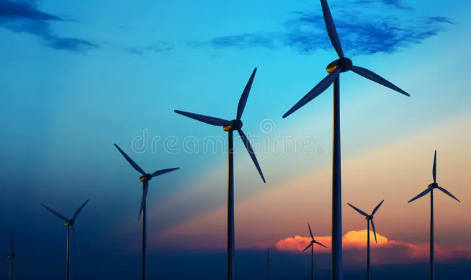
European governments including Germany, the United Kingdom and Denmark are set to reaffirm their commitment to large-scale wind power expansion, even as US President Donald Trump escalates criticism of Europe’s green energy policies. A draft declaration to be signed by leaders highlights a strong push to accelerate offshore wind development across the region.
Trump has repeatedly criticized European countries for transitioning toward low-carbon energy systems. Speaking at the World Economic Forum in Davos this week, he called wind turbines “losers” and claimed that countries with more wind turbines lose more money.
At a summit in Hamburg, Germany, on Monday, nine European governments will agree to fast-track offshore wind projects through major cross-border cooperation. According to the draft summit declaration seen by Reuters, the countries aim to help achieve Europe’s overall target of 300 gigawatts (GW) of offshore wind capacity by 2050.
Britain and participating European Union member states will commit to delivering up to 100 GW of that total through joint cross-border projects. The declaration is also expected to be signed by Belgium, France, Ireland, Luxembourg, the Netherlands and Norway.
The draft states that expanding offshore renewable energy will support a stable, secure and affordable energy supply, boost local economic value, strengthen industrial competitiveness, enhance strategic autonomy and create jobs across the region.
However, the wind sector faces growing challenges. Rising capital costs and more expensive components have contributed to failed wind farm auctions in several North Sea countries.
To address these obstacles, the joint declaration says governments will intensify efforts to increase financing for wind projects. Measures under consideration include guarantees backed by the EU budget and subsidy mechanisms such as contracts for difference, which ensure power plants receive stable revenue once operational, with the cost ultimately borne by taxpayers.