Trump Administration Weighs Tougher Measures on Cuba, Including Possible Oil Import Blockade
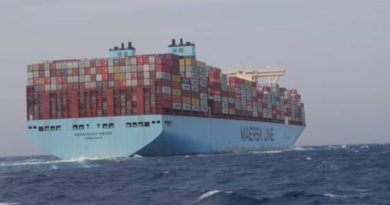
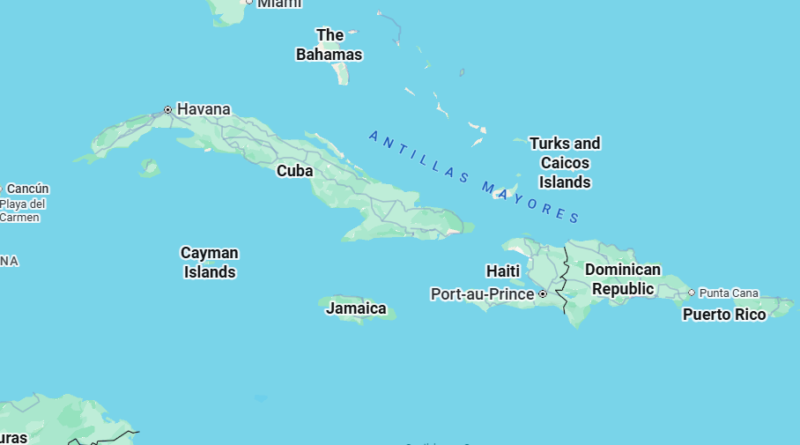
The administration of U.S. President Donald Trump is reportedly considering a sweeping new step to cut off Cuba’s oil supplies, with discussions underway about a potential naval-style blockade aimed at halting all oil imports to the island.
According to a report published Friday by Politico, citing three sources familiar with internal deliberations, the proposal is being examined as part of broader efforts to pressure Cuba’s leadership and force political change. While no final decision has been taken, the idea has gained traction among hardline critics of the Cuban government within the Trump administration and is said to have the backing of Secretary of State Marco Rubio.
The White House declined to immediately comment on the report.
If implemented, the move would mark a significant escalation in Washington’s strategy toward Havana and reinforce President Trump’s broader push to reassert U.S. influence across the Western Hemisphere. Analysts say such a blockade would signal the administration’s willingness to use aggressive economic and geopolitical tools to bring regional governments in line with U.S. policy objectives.
Earlier this month, President Trump vowed to halt all Venezuelan oil and financial assistance to Cuba, a longtime ally that has relied heavily on Caracas for fuel and economic support. His announcement came after a dramatic U.S. military operation on January 3 that resulted in the capture of Venezuelan President Nicolás Maduro by American forces. Analysts and regional experts have warned that cutting off Venezuela’s oil shipments could have severe consequences for Cuba’s fragile energy supply, electricity grid, and struggling economy, where fuel shortages are already a persistent challenge.
Buoyed by his actions in Venezuela and the seizure of control over its oil resources, Trump has since hinted at further moves against governments he views as adversarial, including Cuba and Colombia. He has suggested that Havana should seek a deal with Washington, sharply increasing pressure on the communist-led state.
Cuban leaders have responded with defiant rhetoric, rejecting U.S. demands and portraying the mounting pressure as an attack on national sovereignty. As speculation grows, regional observers are watching closely to see whether Washington turns these reported discussions into concrete action, a move that could reshape energy flows and geopolitical dynamics across the Caribbean.