
Brent Crude Climbs to $67.86 as Gulf Tensions and Record U.S. Inventory Draw Fuel Buying
Oil prices moved sharply higher on Wednesday, with Brent crude rising to $67.86 per barrel, as renewed naval tensions in the Middle East combined with a steep decline in U.S. crude inventories to reignite concerns over global supply security. The rally marked a decisive shift in market sentiment, as traders refocused on immediate geopolitical and physical risks after a brief period of optimism driven by diplomatic signals.
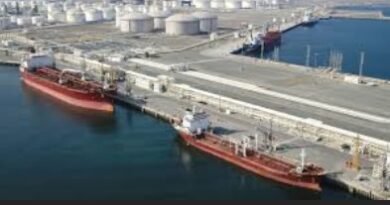
The latest price surge was triggered by a series of maritime security incidents in strategically vital waterways. According to the United States military, American forces intercepted and shot down an Iranian drone that approached the aircraft carrier Abraham Lincoln, while maritime security sources reported that armed Iranian gunboats harassed a U.S.-flagged oil tanker, Stena Imperative, in waters north of Oman. These events revived fears over the safety of the Strait of Hormuz and surrounding sea lanes, through which roughly 20 percent of global crude oil consumption is transported each day.
As a result, Brent crude futures gained 53 cents, or 0.79 percent, to trade at $67.86 per barrel, while U.S. West Texas Intermediate crude advanced 61 cents, or 0.97 percent, to $63.82 per barrel. The move followed nearly a 2 percent rise in the previous session, underscoring growing momentum as geopolitical risk premiums returned to oil pricing. Analysts noted that the rally was largely headline-driven, with Middle East tensions providing short-term support rather than any immediate structural shift in supply fundamentals.
Market uncertainty was further amplified by developments on the diplomatic front. Iran reportedly introduced new conditions for upcoming nuclear talks with the United States, requesting that negotiations be relocated from Turkey to Oman and limited strictly to bilateral nuclear issues. The demands raised doubts over whether the scheduled talks would proceed, prompting traders to hedge against the risk of stalled diplomacy potentially leading to renewed sanctions or wider regional escalation.
Fundamental supply data added further fuel to the rally. Figures from the American Petroleum Institute showed U.S. crude inventories plunged by more than 11 million barrels last week, the largest weekly drawdown since June. The decline sharply contrasted with analyst expectations, which had forecast a modest build in stockpiles. If confirmed by official Energy Information Administration data, the drawdown would signal resilient domestic demand despite broader concerns over global economic growth.
Attention is also turning to evolving global trade dynamics that could further tighten oil supply. Reports suggesting a possible agreement between the United States and India, under which New Delhi would reduce purchases of Russian crude in exchange for tariff relief, have raised expectations of increased demand for non-sanctioned oil from the Middle East and the United States. Ongoing sanctions linked to the Russia-Ukraine conflict continue to restrict Moscow’s exports, providing an underlying floor for global oil prices.
OPEC and its allies are taking a cautious approach to oil production. The group recently put on hold its planned output increases for the first quarter, citing seasonal weakness in demand. With prices now approaching key resistance levels, all eyes are on the OPEC+ meeting scheduled for March 1, where the group may provide guidance on whether production hikes will resume. Iran, OPEC’s third-largest producer in 2025, remains a critical factor, as any disruption to its exports or regional stability could have significant repercussions for global oil markets.
Despite the current rebound, longer-term uncertainties persist. Analysts continue to flag structural headwinds such as accelerating clean energy adoption and rising electric vehicle penetration, which could cap demand growth in the coming years. Forecasts still point to a potential oil surplus in 2026 if geopolitical risks ease. For now, however, the immediate threat to energy supply routes in the Persian Gulf has overshadowed longer-term concerns, keeping oil markets tightly focused on security developments and fragile U.S.–Iran diplomacy.