Brazil Rejects U.S. Mineral Security Pact to Boost Domestic High-Tech Industry
Brazil has officially declined to join the U.S.-led Mineral Security Partnership, a strategic initiative from the Donald Trump administration designed to secure a steady supply of lithium, niobium, and rare earth elements for American industries. The Brazilian Ministry of Foreign Affairs, Itamaraty, stated that the proposed pact treated Brazil merely as a supplier of raw materials rather than a technological partner, prompting the country to prioritize domestic industrial development.
The Lula administration is pursuing a new industrial policy focused on “local value addition,” signaling a shift from raw material exports to the construction of refineries and battery gigafactories within Brazil. By retaining control over refining and processing, Brazil aims to capture a larger share of profits, develop a specialized workforce, and compete globally in high-tech green industries, including electric vehicles and energy storage.
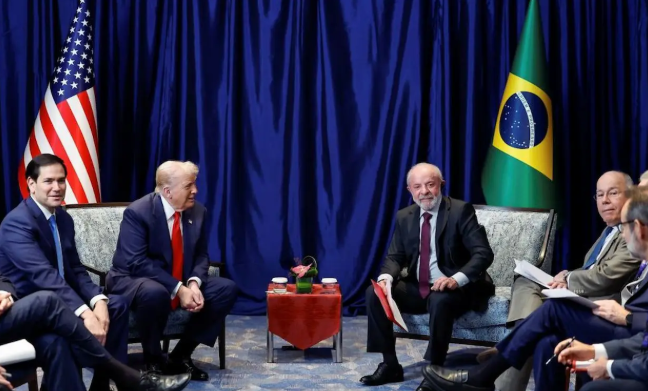
Diplomatic relations between Brasília and Washington are defined by a cautious “pragmatic distance.” Brazil sent a lower-ranking diplomat to the Washington summit as a signal of autonomy, emphasizing its refusal to be locked into a U.S.-dominated supply chain. The decision reflects a broader competition for the future of green technology, as Brazil leverages its strategic mineral wealth as a diplomatic and economic asset.
At the same time, Brazil is strengthening its partnership with India, focusing on joint ventures in semiconductor manufacturing and research in niobium applications for superconductors. This “South-South” cooperation offers a symmetrical model that reduces dependence on the G7 and China, signaling a shift in 2026 toward emerging economies building independent tech ecosystems.
The Brazilian government is also implementing stricter quotas on raw exports and establishing a strategic reserve of critical minerals like lithium and niobium. By rejecting the U.S. proposal, Brazil ensures flexibility to use these resources domestically or sell them internationally under favorable terms, safeguarding national security and future industrial ambitions.
The refusal highlights the limits of Western-centric multilateralism, as resource-rich nations increasingly prefer bilateral agreements that respect sovereignty, local industry, and environmental standards. Brazil’s move underscores a growing trend in 2026 where developing nations leverage their resources to pursue high-tech industrialization and reduce reliance on traditional Western powers.
Key takeaways include Brazil prioritizing domestic high-tech manufacturing, leveraging strategic minerals as national security assets, using India as a diplomatic counterweight to the U.S., and avoiding exclusive Western supply chains. The Mineral Security Partnership was originally designed to support U.S. energy and tech security, but Brazil’s new approach demonstrates a shift toward industrial autonomy and global green tech competitiveness.