Op-Ed: The Strait of Hormuz Tension is more than a War Story ,It’s a Strategic Shock to Global Maritime Trade
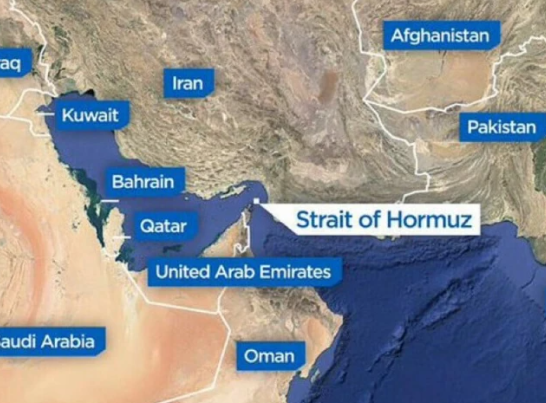
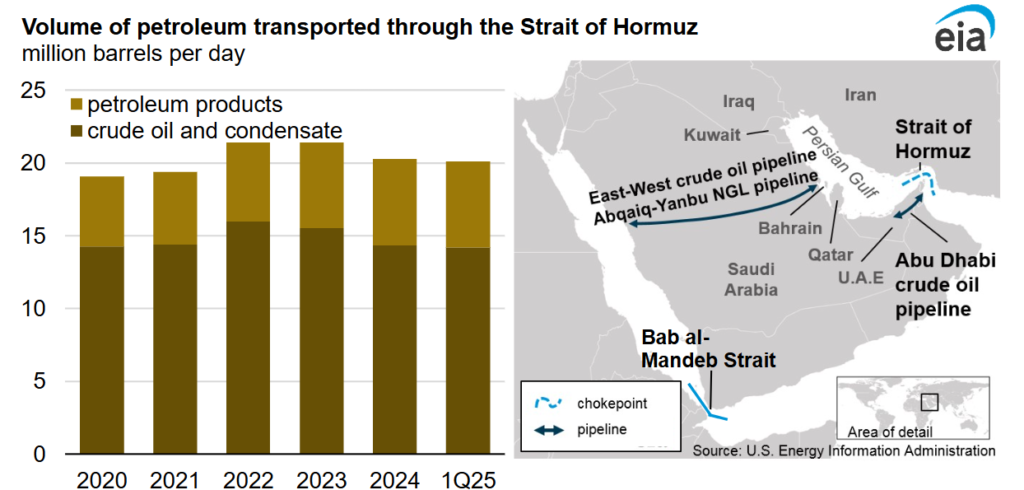
The Strait of Hormuz is not just a blue line on the map, but rather the respiratory system of the international energy economy and an essential artery of international trade. Approximately 20 percent of the world daily crude oil and much of the liquefied natural gas pass through this chokepoint between the Persian Gulf and the Gulf of Oman and the Indian Ocean. That importance, always high, has exploded into stark focus as recent escalations between the United States, Israel, and Iran have dramatically elevated the risk to maritime traffic.
The Escalation has Shifted Shipping Behavior, Not Just Headlines
In recent days, naval strikes and retaliatory attacks have prompted warnings from both military and commercial authorities, urging vessels to avoid or delay transit through Hormuz. Maritime data and tracking platforms show that ship traffic has dropped by as much as 70%, with many tankers turning back or anchoring outside the strait.
This is not a casual slowdown; it is a structural shift in seaborne trade behavior. Whether vessels are rerouted for safety or held back by owner decision, the cumulative effect is visible and quantifiable in global shipping flows , a rare occurrence in an era where real‑time AIS (Automatic Identification System) data makes traffic movements transparent worldwide.
Why this Matters more than You Think
At the same level as the immediate risk posed by the missiles and naval battlefields, what is being currently observed in the area of Hormuz is a further illustration of a more critical reality, namely that the contemporary global supply chains are highly vulnerable when key chokepoints are undermined.
Ship lines such as Maersk and Hapag-Lloyd have already stopped transit of their vessels via the strait preferring the safety of their crews to schedule continuity.
Tankers of oil and LNG spend time in the open sea changing routes or halting the journey altogether as a precaution against the possible threat.
This isn’t a theoretical risk, it is a real, ongoing shift that impacts freight rates, delivery schedules, insurance costs, and commodity prices across multiple supply chains. For example, the insurance industry has already begun recalibrating war‑risk premiums, reflecting the perceived danger of entering these waters.
The Reflective Domino Effect on Global Trade
When a maritime chokepoint like the Strait of Hormuz becomes dangerous or uncertain, the ripple effects reach far beyond tanker decks and naval commands:
Oil and gas prices react instantly, as traders price in risk premiums and potential supply disruptions.
Energy‑dependent industries, from fertilizer producers to airlines, face rising costs and logistical bottlenecks.
Alternative routes, such as detours around Africa’s Cape of Good Hope, become more attractive but also more expensive and time‑consuming.
These shifts reveal how deeply embedded maritime safety is within global economic stability , not just regional geopolitics.
Navigating Risk: Prudence Over Panic
It’s tempting to frame the current developments solely as a military crisis, but the real maritime story lies in how shipping markets, vessel operators, insurers, and global energy consumers are adjusting to prolonged uncertainty. The industry’s response , from halting transits to rerouting shipments , shows a preference for caution that is reshaping navigational norms around the Strait of Hormuz.
This isn’t merely about war‑risk headlines; it’s about supply chains, trader psychology, and structural shifts in the flow of goods that no logistic manager, policymaker, or investor can afford to ignore.
Related:
- Iran Attacks Tankers near Oman as Tensions Escalate Around Strait of Hormuz
- Shipping Firms Advise Vessels to Avoid Gulf amid Rising US-Israel-Iran Tensions