Oil Prices Drop 7% as Trump Signals Possible End to Middle East Conflict
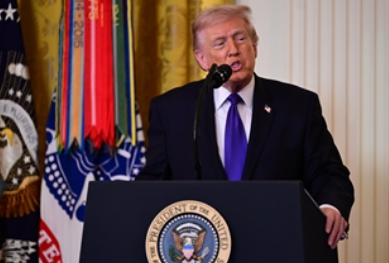
Oil prices fell sharply by 7% on Tuesday, retreating from a more than three-year high after U.S. President Donald Trump suggested that the Middle East war could end soon, easing fears of prolonged disruptions to global oil supplies.
Brent crude dropped $6.79, or 6.9%, to $92.17 per barrel, while U.S. West Texas Intermediate (WTI) slid $6.55, or 6.9%, to $88.22 per barrel. Both benchmarks briefly fell as much as 11% before moderating losses. Oil had surged past $100 per barrel on Monday, its highest since mid-2022, fueled by supply cuts from Saudi Arabia and concerns over U.S.-Israeli military actions against Iran.
Market sentiment improved after a call between Russian President Vladimir Putin and Trump, where proposals for a quick settlement to the conflict were discussed. Trump’s comments on the potential short duration of the war helped calm markets, despite ongoing risks in key oil-producing regions.
Analysts noted that Middle Eastern benchmark grades, including Murban and Dubai crude, remain above $100 per barrel, indicating fundamental supply pressures persist. Iran’s Islamic Revolutionary Guards Corps (IRGC) warned that oil exports would be restricted if attacks continued, keeping regional tensions high.
Trump is reportedly weighing options such as easing sanctions on Russian oil and releasing strategic crude reserves, aimed at stabilizing global oil markets. Analysts at Phillip Nova and DBS Bank noted that once traders saw supply routes could remain open, the initial “panic premium” faded, leading to the sharp price pullback.
Read:Global Oil Surges 10% on Iran Conflict; Analysts Warn Prices Could Hit $100 a Barrel
Despite market fluctuations, Goldman Sachs maintained its Brent forecast at $66 per barrel and WTI at $62 per barrel for Q4 2026, citing ongoing uncertainty. Meanwhile, G7 nations expressed readiness to respond to surging oil prices but stopped short of committing to reserve releases.