Saudi Arabia Activates Desert Oil Pipeline as Strait of Hormuz Shipping Crisis Disrupts Global Energy Supply
Saudi Arabia is moving quickly to activate a decades-old contingency plan to keep crude exports flowing as a severe shipping disruption linked to the crisis around the Strait of Hormuz threatens global energy markets. The kingdom is pumping millions of gallons of oil across vast desert areas to reach tankers on the Red Sea as traditional shipping routes face paralysis.
With the Strait of Hormuz effectively closed, petroleum-exporting monarchies across the Gulf region are confronting a potentially devastating situation. Iranian attacks on energy installations, rapidly filling storage capacity, and halted shipping traffic have forced oil production to slow as tanker movement becomes increasingly difficult due to the escalating Middle East conflict.
The region has faced repeated strikes from Iran following U.S. and Israeli attacks that triggered the broader confrontation. Tehran has targeted both U.S. assets in the region and civilian infrastructure as the conflict intensifies.
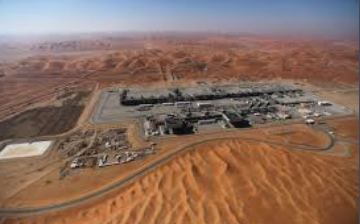
To manage the crisis and maintain exports, Saudi Arabia is expanding the use of the Petroline, the east-west pipeline that crosses the kingdom and allows crude oil to bypass the Strait of Hormuz. The system is operated by the state energy giant Saudi Aramco.
Aramco president and CEO Amin H. Nasser warned that the disruption represents the largest crisis the region’s oil and gas sector has experienced. He said the company is working to significantly increase flows through the Petroline in the coming days.
The pipeline network has an estimated capacity of about seven million barrels per day and stretches roughly 750 miles, connecting the kingdom’s eastern oil-producing region with export terminals on the Red Sea. The infrastructure was originally built in the 1980s during the Iran–Iraq War as a strategic alternative route in case maritime exports through the Strait of Hormuz were blocked.
Energy analysts caution that while the pipeline provides a crucial alternative export channel, it cannot fully replace the massive volume of oil that normally moves through the strait. According to energy market analyst Jim Bianco, the Petroline carried around one million barrels per day before the conflict, meaning roughly six million additional barrels could potentially be redirected through the system.
That figure remains far below the approximately 21 million barrels of oil that passed through the Strait of Hormuz daily before the war, highlighting the scale of the disruption facing global energy supply chains.
Despite a strong military presence from the United States across the region, Iran has managed to significantly disrupt shipping traffic in a short period of time. Reports indicate refineries across several Gulf states have been affected, and Qatar has been forced to shut down LNG facilities responsible for roughly one-fifth of global liquefied natural gas supply.
Iranian national security chief Ali Larijani said the Strait of Hormuz could either remain a pathway for prosperity or become a source of hardship for countries involved in the conflict.
Meanwhile, officials in Washington acknowledge that reopening the crucial shipping corridor may not happen quickly. U.S. Senator Chris Murphy said after a classified briefing that authorities are still assessing how Iran has managed to disrupt maritime traffic in the narrow energy chokepoint.
Read:Saudi Arabia Prepared for Shipping Route Shift to Jeddah Islamic Port amid Strait of Hormuz Tensions
Saudi Arabia’s alternative export plan also carries risks. Oil transported through the Petroline ultimately reaches terminals along the Red Sea coast, an area that analysts say could face threats from regional militant groups if the conflict expands.
Security experts warn that any escalation could potentially target pipelines or export terminals used to bypass the Strait of Hormuz, raising further concerns about global oil supply stability, energy markets, and international shipping routes.