Pakistan Navy Escorts Oil Tankers to Karachi as Strait of Hormuz Crisis Threatens Global Energy Supply
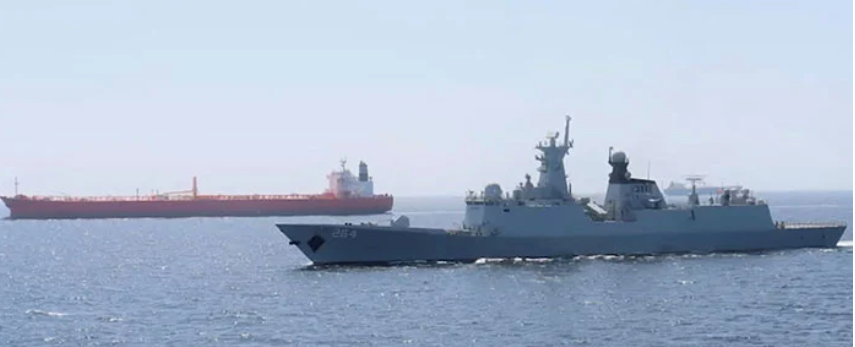
Amid growing fears of a global fuel shortage and volatility in international energy markets, two oil vessels carrying between 100 million and 120 million litres of fuel have safely reached Karachi under the protection of the Pakistan Navy, according to officials from the Pakistan National Shipping Corporation (PNSC). The tankers were escorted as part of heightened maritime security measures following recent attacks on vessels in regional waters and rising tensions in the Middle East that have disrupted global oil transportation routes.
Federal Minister for Maritime Affairs Muhammad Junaid Anwar expressed appreciation for the Pakistan Navy’s role in ensuring the safe arrival of the ships and confirmed that the government has requested the Foreign Office to engage with Iran regarding the release of two vessels currently stuck in the Persian Gulf. The arrival of the tankers comes during a period of extreme uncertainty in global energy markets as military tensions escalate across the region.
The naval escort mission forms part of Operation Muhafiz-ul-Bahr, a strategic initiative launched by the Pakistan Navy to secure maritime trade routes and safeguard the country’s Sea Lines of Communication (SLOCs). The operation is designed to ensure uninterrupted energy imports and protect national shipping activity at a time when regional conflict is threatening critical global oil supply chains.
The move follows rising disruptions in the Strait of Hormuz, a key maritime corridor responsible for transporting roughly one-fifth of the world’s oil supply. Ongoing hostilities involving Iran, the United States and Israel have significantly affected shipping activity across the Gulf, creating fears of major supply shortages and sending global crude oil prices sharply higher.
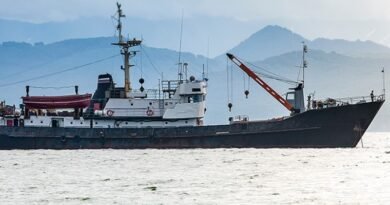
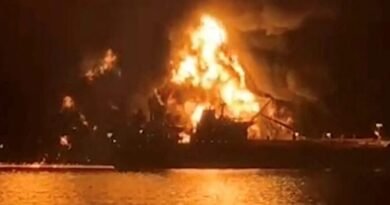
Recent incidents in the region have intensified the crisis. Explosive-laden Iranian boats reportedly attacked two fuel tankers in Iraqi waters, causing fires on board and resulting in the death of a crew member. The vessels involved in the attack were identified by Iraqi port officials as the Marshall Islands-flagged Safesea Vishnu and the Malta-flagged Zefyros, both of which had loaded fuel cargo in Iraq prior to the incident.
Shipping traffic across the Gulf and the narrow Strait of Hormuz has slowed dramatically since airstrikes against Iran began on February 28, severely impacting international energy supply routes. Iran’s Revolutionary Guards have warned that if attacks against Iran continue, they would prevent any oil shipments from the Middle East to the United States, Israel, or their allies.
According to the International Energy Agency (IEA), the ongoing conflict is triggering the largest oil supply disruption in modern history. The agency estimates that global oil supply could drop by approximately eight million barrels per day in March, representing nearly eight percent of global demand. This decline is largely attributed to the effective closure of the Strait of Hormuz following the escalation of military operations in the region.
Oil-producing Gulf nations including Iraq, Qatar, Kuwait, the United Arab Emirates and Saudi Arabia have collectively reduced oil output by at least 10 million barrels per day as the conflict disrupts production and export logistics. The IEA warned that if shipping routes are not restored quickly, global energy shortages could deepen further.
Pakistan has already begun implementing emergency measures to manage the economic impact of the crisis. The government announced a historic increase of Rs55 per litre in petrol and diesel prices while introducing weekly fuel price reviews and national fuel conservation policies aimed at reducing non-essential consumption.
Following the latest revision, petrol prices rose to Rs321.17 per litre from Rs266.17, while diesel increased to Rs335.86 per litre from Rs280.86. These measures are intended to stabilize domestic energy supplies and limit economic pressure caused by surging international oil prices.
Meanwhile, Pakistan has also begun importing crude oil through the Red Sea route after the disruption of shipping through the Strait of Hormuz, ensuring that the country maintains critical energy supplies despite the ongoing geopolitical crisis affecting global oil transportation.