Karachi Port Emerges as Strategic Transshipment Hub as Middle East Shipping Crisis Reshapes Global Trade Routes
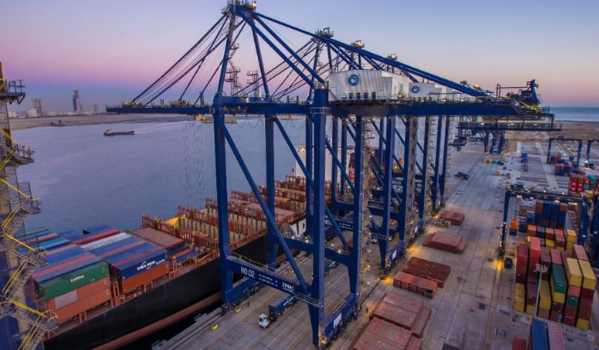
Rising geopolitical tensions in the Middle East are beginning to reshape regional shipping routes, driving a noticeable surge in transshipment activity at Karachi Port as global shipping lines redirect cargo flows to avoid potential disruptions across Gulf waters. Port authorities confirmed that the port recently handled two vessels carrying transshipment cargo simultaneously, signaling Karachi’s growing importance as a regional logistics hub for container redistribution across Middle Eastern maritime routes.
The increased activity comes as the ongoing conflict involving Iran has raised concerns about security risks in key maritime corridors, forcing shipping companies and international logistics operators to reassess their trade routes. As uncertainty persists in the Gulf region, many shipping lines are relying more heavily on alternative regional ports capable of supporting uninterrupted cargo movement and container transshipment operations.
Officials stated that the simultaneous handling of transshipment vessels at Karachi Port demonstrates the port’s operational strength, modern infrastructure, and strategic geographic position in supporting global shipping logistics and international trade flows during a period of disruption in global maritime supply chains. The development highlights Karachi’s role in maintaining continuity in container shipping and cargo distribution while regional trade routes adjust to shifting geopolitical realities.
As container volumes linked to transshipment continue to increase, Karachi Port is gradually strengthening its position as a critical maritime logistics hub connecting South Asia with Middle Eastern and global shipping networks. The growing activity is also reinforcing Pakistan’s broader role in regional maritime trade and international shipping connectivity.
In a related development aimed at strengthening regional logistics networks, Karachi Gateway Terminal (Private) Limited (KGTL) has launched a dedicated feeder shipping service linking Karachi with major UAE transshipment hubs at Fujairah and Khor Fakkan. The new service began operations with its inaugural voyage arriving at the terminal on March 11, marking the start of a regular shipping link designed to support exporters, importers, and freight operators connected to global container trade.
According to KGTL Chief Executive Officer Khurram Aziz Khan, the new feeder route reflects the terminal’s commitment to improving Pakistan’s maritime connectivity and strengthening supply chain reliability for the country’s trading community. By establishing direct links with major UAE transshipment hubs, the service provides Pakistani importers and exporters with efficient access to global shipping networks while reinforcing Karachi Gateway Terminal’s role as a key gateway for international cargo movement.
Chairman of the Karachi Port Trust, Rear Admiral (r) Shahid Ahmed, also emphasized the strategic importance of enhanced connectivity with regional maritime hubs. He noted that stronger shipping links with ports in the United Arab Emirates will support smoother cargo movement, increase logistical flexibility, and help meet Pakistan’s expanding trade requirements.
As global shipping companies continue to adjust routes in response to security concerns in the Gulf and disruptions affecting energy and trade corridors, Karachi Port’s rising transshipment activity signals its growing relevance in international maritime logistics and container shipping operations across South Asia and the Middle East.