Norway Bans Norwegian-Flagged Ships from Entering Strait of Hormuz amid Rising Security Threats
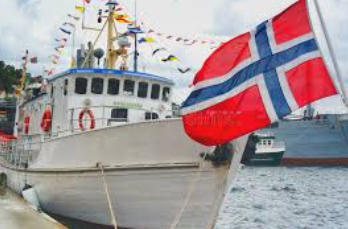
The Norwegian Maritime Authority (NMA) has officially prohibited Norwegian-flagged vessels from entering the Strait of Hormuz until further notice, citing critical security risks in the region. The move follows escalating military operations and increased threats to commercial shipping, including attacks on civilian vessels, GPS and AIS spoofing, and disruptions to radar and communication systems.
Alf‑Tore Sørheim, director general of shipping and navigation at NMA, stated that while companies retain responsibility for assessing security for vessels already in the area, the prohibition reflects the deteriorating safety conditions for Norwegian shipping in one of the world’s most strategic maritime corridors. “We do not believe any companies are planning voyages into this area in the near future. However, it is important to underline that we are now moving from a strong recommendation to a full prohibition on entering the Strait of Hormuz,” he said.
The NMA emphasized that vessels currently operating in the Gulf, Strait of Hormuz, or the Gulf of Oman must continue to evaluate whether remaining in place or departing is safer. Recent incidents have highlighted attacks on civilian ships attempting to leave the region, further underscoring the critical threat level.
Experts warn that the Persian Gulf and Strait of Hormuz are increasingly vulnerable to geopolitical tensions, and shipping companies worldwide are adjusting their operations to mitigate risks. Norwegian regulators also noted extensive GPS and AIS spoofing, which can mislead ship navigation systems and compromise maritime safety.
This move aligns with broader international concerns over the security of commercial shipping in the Persian Gulf, where tensions involving Iran, the United States, and other regional powers have disrupted global energy supply routes. Shipping companies and maritime insurers are closely monitoring the situation to safeguard personnel, vessels, and cargo in one of the world’s busiest oil transit passages.