Global Oil Supply Risk: Japan Holds Off on Strait of Hormuz Naval Deployment despite U.S. Call for Maritime Security Support
Japan said it is not currently considering deploying naval forces to protect oil tankers in the Strait of Hormuz despite pressure from U.S. President Donald Trump for allied countries to help secure the critical global energy shipping route. Speaking in parliament on Monday, Japanese Defence Minister Shinjiro Koizumi stated that Tokyo is not planning to issue a maritime security operation at this stage amid escalating tensions involving Iran and key Middle East oil infrastructure.
The comments come after Trump urged several countries, including Japan, to send warships to support maritime security operations as the United States prepares to escort commercial oil tankers through the strategic Strait of Hormuz—one of the world’s most important oil transit corridors. The U.S. Navy is expected to begin escort missions soon as global markets react to rising geopolitical risks affecting crude oil supply routes.
Japanese Prime Minister Sanae Takaichi said Tokyo has not received a formal request from Washington but confirmed the government is reviewing the situation internally. She told parliament that Japan must decide what actions it can take within its own legal and constitutional framework rather than responding solely to external requests. According to the prime minister, authorizing a maritime security operation would be legally complex and politically sensitive.
Japan’s constitution, introduced in 1947 after World War II, renounces war and restricts overseas military operations, making deployments of the Self-Defense Forces abroad a highly debated issue in domestic politics. Many voters continue to support the pacifist framework, which limits the circumstances under which Japan can participate in international military missions.
Takayuki Kobayashi, policy chief of the ruling Liberal Democratic Party, said the threshold for dispatching Japanese warships to the region remains extremely high, reflecting both legal constraints and political caution.
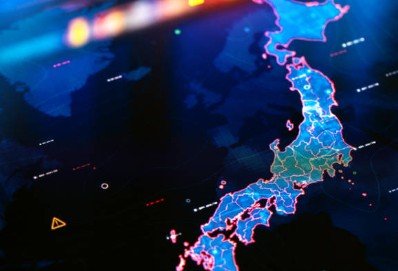
The situation has major implications for global energy markets. Japan, the world’s fourth-largest economy, is the fifth-largest importer of crude oil, with about 95 percent of its oil supply coming from the Middle East. Roughly 70 percent of those imports travel through the Strait of Hormuz, making stability in the waterway essential for Japan’s energy security and the broader global oil trade.
Tensions escalated after Iran effectively closed the strait in retaliation for the ongoing U.S.-Israeli conflict targeting Tehran, raising concerns about disruptions to tanker traffic, oil shipping routes, and global crude prices. Energy analysts warn that prolonged instability in the Strait of Hormuz could affect oil supply chains worldwide, pushing prices higher and increasing volatility across global energy markets.