Hormuz Crisis Fuels De-Dollarization Debate as Iran Pushes Yuan-Based Oil Trade Amid Rising Geopolitical Tensions
Escalating tensions in the strategically vital Strait of Hormuz are intensifying global concerns over energy security, oil trade routes, and the future of the US dollar’s dominance in international markets. Iran has introduced a proposal to link energy shipments passing through the strait to payments in non-dollar currencies, including China’s yuan, signaling a potential shift in global oil trading dynamics.
The move comes as Donald Trump calls for an international coalition to secure the waterway, while ongoing conflict involving Iran, Israel, and the United States enters its seventeenth day. Diplomatic efforts remain stalled, with Iran’s Foreign Minister Abbas Araghchi rejecting any prospects of ceasefire or negotiations. Meanwhile, Trump has warned that NATO could face serious consequences if allies fail to ensure safe passage through the strait.
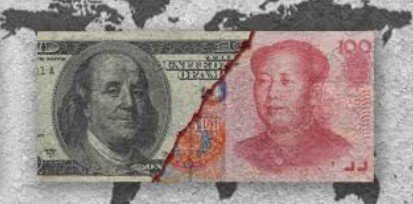
Energy market analysts suggest that Iran’s proposal reflects a broader trend toward de-dollarization and currency diversification in global trade. According to regional experts, the initiative aligns with efforts by major economies such as China and Russia to expand the use of national currencies in bilateral energy agreements, reducing reliance on the US dollar.
Dr. Abdulaziz bin Sager of the Gulf Research Center noted that the share of the dollar in global reserves has declined from 65.3 percent in 2016 to 59.3 percent in 2024, highlighting a gradual shift toward a multipolar financial system. He emphasized that initiatives like China’s Belt and Road Initiative are actively promoting yuan adoption in cross-border trade.
However, experts caution that the immediate impact of Iran’s plan may be limited. Dr. Saeed Sallam of the Vision International Center for Strategic Studies warned that such a shift could increase volatility in global energy markets, complicate oil transactions due to limited yuan liquidity, and raise maritime insurance and shipping costs by 20 to 30 percent as alternative routes are explored.
He added that the proposal could fragment global oil trade, with some shipments routed to China using yuan while others divert to costlier pathways. This fragmentation could trigger spikes in gas, fertilizer, and food prices, increasing recession risks across Asian and European economies.
China is expected to maintain a cautious stance, potentially accepting limited yuan-based oil deals while avoiding escalation that could disrupt the Strait of Hormuz, a route that handles nearly 40 percent of its oil imports. Russia, meanwhile, is likely to use the initiative symbolically within the BRICS framework to challenge US financial dominance, even as it depends on stable energy markets for export revenues.
Despite growing rhetoric around de-dollarization, analysts agree that the US dollar continues to dominate global energy trade. The long-term trajectory, however, may depend heavily on evolving military developments, geopolitical alliances, and whether stability can be maintained in one of the world’s most critical oil transit corridors.