Global Shipping Crisis Deepens as International Maritime Organization Holds Emergency Talks on Middle East War and Strait of Hormuz Disruptions
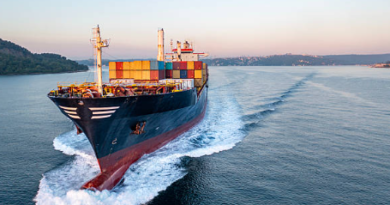
The International Maritime Organization has convened an extraordinary high-level session in London to address escalating risks to global shipping, maritime security, and energy supply chains amid the intensifying Middle East conflict. The urgent meeting comes as thousands of vessels and seafarers remain stranded near the critical Strait of Hormuz, raising alarm across global oil markets and international trade networks.

The two-day emergency summit at the IMO headquarters in London will see its 40-member council deliberate on key resolutions, including proposals to establish a secure maritime corridor for the safe evacuation of ships and crews trapped in the Persian Gulf. While any adopted measures would remain non-binding, they are expected to influence global maritime policy and crisis response strategies.
The crisis has intensified following retaliatory actions by Iran in response to strikes by Israel and the United States, effectively disrupting one of the world’s most vital oil transit routes. The Strait of Hormuz, responsible for transporting nearly 20 percent of global crude oil and liquefied natural gas, has witnessed a sharp decline in shipping activity, triggering volatility in oil prices and global financial markets.
According to IMO estimates, approximately 20,000 seafarers are currently stranded aboard nearly 3,200 vessels west of the strait. Reports indicate that at least 21 ships have been attacked, targeted, or affected since the conflict began, based on data from the UK Maritime Trade Operations and regional authorities.
A submission by the United Arab Emirates highlighted that over 18 commercial vessels of multiple nationalities have been struck by missiles, drone boats, projectiles, and sea mines, resulting in confirmed fatalities and missing crew members. The humanitarian dimension of the crisis has added urgency to calls for coordinated international intervention.
Several major European powers, including United Kingdom, France, and Germany, along with Gulf nations, have urged the IMO to formally condemn the attacks, describing them as unjustifiable threats to global maritime safety and commerce. They have also called for strong opposition to any attempts to close the Strait of Hormuz.
In contrast, Iran has defended its position in its own submission, attributing the deteriorating maritime security environment to military actions carried out by Israel and the United States. Tehran emphasized that current disruptions to shipping and seafarer safety are a direct consequence of those actions.
Read More:Strait of Hormuz Shipping Disruptions Trigger Energy Market Volatility and Global Trade Concerns
Meanwhile, key maritime and trading nations such as Japan, Panama, Singapore, and the UAE have jointly called for a structured international framework to ensure safe evacuation and protection of vessels operating in high-risk zones.
Industry stakeholders have also pushed for a coordinated global maritime security strategy, emphasizing the importance of seafarer welfare, uninterrupted communication with families, and the facilitation of crew changes and essential onboard supplies.
As the Middle East shipping crisis unfolds, the outcome of the IMO’s emergency session is expected to play a critical role in shaping global maritime security policies, safeguarding energy trade routes, and stabilizing international shipping operations.