
Saudi Arabia Boosts Maritime Security, Seafarer Protection and Global Trade Stability amid Strait of Hormuz Tensions
Saudi Arabia has reaffirmed its strong commitment to maritime safety, seafarer protection, and global shipping security during the 50th session of the International Maritime Organization Facilitation Committee.
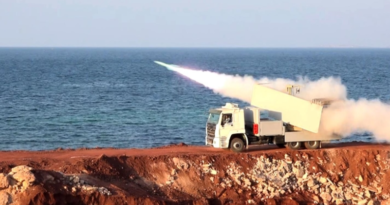
The Kingdom emphasized the urgent need to safeguard international shipping routes and maritime navigation, particularly amid rising threats in the Strait of Hormuz and surrounding regions.
According to the Saudi Press Agency, Saudi Arabia backed key proposals aimed at enhancing maritime security, vessel safety compliance, and seafarer welfare standards, urging swift global adoption. The Kingdom also supported an international declaration condemning unlawful maritime attacks that disrupt global trade, logistics supply chains, and ocean freight operations.

Riyadh highlighted growing concerns over the economic impact on global supply chains, oil shipping routes, and international trade corridors, stressing the importance of coordinated international action to protect maritime transport systems.
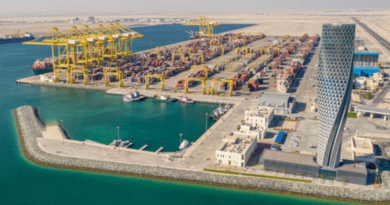
Leveraging its strategic geographic position, Saudi Arabia underscored its role as a global logistics hub, ensuring uninterrupted maritime operations through advanced Red Sea port infrastructure and multimodal transport integration.
Through initiatives led by the Saudi Ports Authority, the Kingdom has provided critical support to vessels affected in the Gulf region, including marine fuel supply, ship provisioning services, and crew change facilitation, benefiting multiple ships over the past 72 hours.
Additionally, the Transport General Authority introduced a 30-day renewable waiver on shipping regulations and vessel licensing requirements, ensuring operational continuity while maintaining marine environmental protection standards.
Saudi Arabia reaffirmed its ongoing collaboration with international partners to strengthen maritime cybersecurity, port operations efficiency, and seafarer safety frameworks, ensuring the smooth flow of global trade and resilient maritime supply chains.