UAE Signals Support for Multinational Naval Coalition to Secure Strait of Hormuz and Protect Global Energy Supply
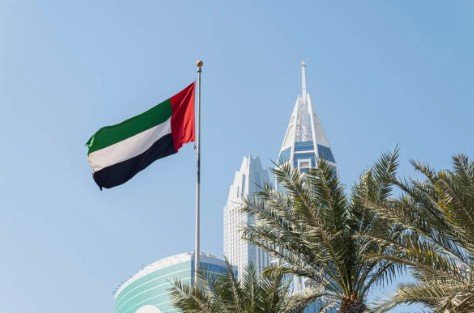
The United Arab Emirates has indicated readiness to join a multinational maritime security force aimed at reopening the Strait of Hormuz, a critical global energy corridor currently facing severe disruption.
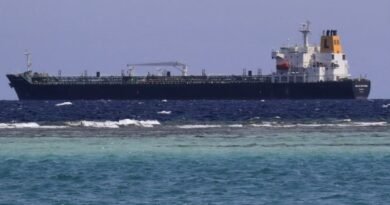
According to reports, the UAE has engaged with the United States and key Western allies to support the creation of a joint naval coalition designed to safeguard international shipping lanes, ensure maritime security, and stabilize global oil and LNG supply chains. The proposed initiative, informally referred to as a “Hormuz Security Force,” would focus on escorting commercial vessels and deterring threats in one of the world’s most strategically important chokepoints.
The move comes amid heightened regional tensions involving Iran, which has effectively restricted access through the strait, disrupting nearly 20% of global oil and liquefied natural gas (LNG) flows. The resulting supply constraints have triggered volatility in global energy markets, raising concerns over oil prices, inflation, and maritime trade stability.
Despite the urgency, several U.S. allies have expressed reluctance to immediately deploy naval assets. Meanwhile, France has initiated diplomatic consultations with approximately 35 countries to explore potential frameworks for a coordinated maritime mission, though any deployment may depend on broader geopolitical developments in the region.
In parallel, the UAE is working alongside Bahrain to advance a resolution at the United Nations Security Council. The proposal seeks to establish an international legal mandate for maritime operations in the Strait of Hormuz, potentially authorizing the use of “all necessary means” to ensure the safe passage of commercial shipping.
However, the initiative may face opposition from major global powers such as Russia and China, both of which hold veto power within the Security Council and have historically taken cautious positions on military interventions in the region.
The UAE, a leading oil exporter and regional trade hub, has a direct economic stake in restoring safe navigation through the strait. Iranian-linked attacks have previously targeted Emirati infrastructure, including key export terminals outside the Gulf, underscoring the urgency of enhanced maritime protection.
As diplomatic and military discussions intensify, the future of global energy security, maritime trade routes, and international shipping operations remains closely tied to developments in the Strait of Hormuz.