
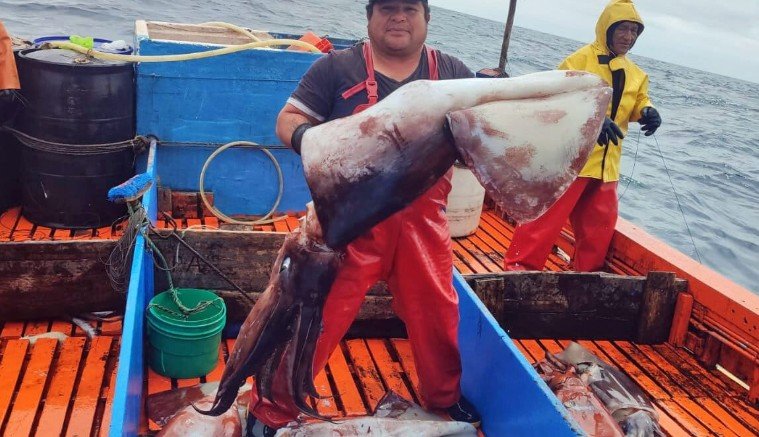
South Pacific Squid Fishery Faces Stricter Oversight as Regulators Act to Protect Jumbo Flying Squid Stocks
The rapidly expanding jumbo flying squid (Dosidicus gigas) fishery in the South Pacific is prompting urgent action from regional authorities as environmental and economic pressures mount. At the recent annual meeting of the South Pacific Regional Fisheries Management Organization (SPRFMO), members focused on managing one of the world’s largest squid fisheries across roughly 59 million square kilometers of high seas, an area twice the size of Africa. The surge in squid-jigging vessels,from 14 in 2000 to over 500 last year, predominantly Chinese-flagged,has coincided with a sharp decline in reported catches, dropping from over 1 million metric tons in 2014 to approximately 600,000 metric tons in 2024. Scientists warn that overfishing risks depleting squid stocks, threatening the long-term sustainability of this key marine resource.

In a bid to curb overfishing, SPRFMO agreed to lower the maximum number of vessels targeting jumbo flying squid from 766 to 651 and reduce fleet tonnage, signaling stronger fisheries management and marine conservation efforts. Dave Gershman of The Pew Charitable Trusts noted that while the decision acknowledges the need for stricter oversight, its immediate impact may be limited, as the current fleet is already smaller than the new cap.
Critical challenges remain. The SPRFMO’s scientific committee has yet to finalize a comprehensive squid stock-assessment framework, leaving regulators without data to set sustainable catch limits. Meanwhile, artisanal fishers across South America warn that delays in management strategies could jeopardize livelihoods dependent on the squid fishery.
Labor conditions aboard squid vessels also drew attention, as reports by environmental groups and investigative journalists highlighted violence, wage withholding, and other abuses. To address these concerns, SPRFMO will expand monitoring of vessels using a combination of human observers and electronic tracking systems, starting with 5% of fishing days in 2027 and doubling coverage by 2029. Additional safeguards include enhanced port inspections and improved information sharing among governments to combat illegal, unreported, and unregulated (IUU) fishing, though demands for greater transparency in vessel ownership remain unresolved.
Read: Op-Ed:Unregulated Recreational Fishing is Fueling a Massacre of Our Marine Resources
Progress on other fisheries was slower. Plans to finalize a science-based harvest strategy for jack mackerel were postponed, and debates over bottom trawling, which can harm deep-sea corals and sponges, ended without consensus. For now, SPRFMO has taken incremental steps to strengthen sustainable fishing practices, but whether these measures will secure the region’s marine resources remains uncertain. The organization has pledged to revisit squid fishery management in 2027, underscoring the ongoing challenges of balancing global seafood demand with ecological sustainability.