Iran Missile & Drone Strike on U.S. Base in Saudi Arabia Injures 12 Troops, Exposes Air Defense Gaps and Raises Middle East Security & Oil Market Risks
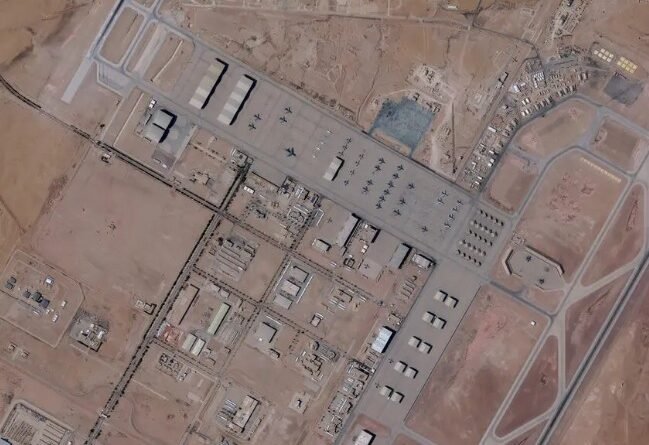
A major escalation in the ongoing Middle East conflict and global energy security crisis unfolded after Iran launched a coordinated missile and drone strike on a key United States Armed Forces installation in Saudi Arabia, injuring 12 American troops, including two in serious condition. The attack targeted Prince Sultan Air Base and is being described by officials as one of the most significant breaches of advanced U.S. air defense systems during the monthlong war, raising concerns over regional stability, oil supply routes, and global geopolitical risk.
The high-impact strike involved a combination of ballistic missiles and unmanned aerial systems, highlighting Iran’s expanding drone warfare capabilities and asymmetric military strategy. At least two KC-135 aerial refueling aircraft sustained substantial damage, underscoring vulnerabilities in critical military aviation and logistics infrastructure. The incident adds pressure on already volatile global oil markets and maritime energy corridors, particularly as tensions threaten key shipping lanes in the Gulf region.

The escalation comes amid mixed signals from Donald Trump, who has alternated between promoting peace negotiations and intensifying military threats against Iranian infrastructure. While Washington claims diplomatic talks are progressing, Tehran has disputed these assertions, even as the U.S. continues deploying additional warships and thousands of troops to reinforce its strategic presence across the Middle East.
Throughout the conflict, Iran has carried out repeated strikes on U.S. bases using a combination of ballistic missile systems and low-cost Shahed drones, aiming to disrupt American military operations and shift the balance in the ongoing war. Although many incoming threats have been intercepted by U.S. and allied defense systems, the scale and frequency of attacks have exposed operational challenges, forcing United States Central Command to reposition forces across multiple regions, including redeployments to Europe for enhanced protection.
The human toll of the conflict continues to rise sharply. Nearly 300 U.S. troops have been injured since the war began, with approximately 225 suffering traumatic brain injuries linked to missile blasts. While most have returned to duty, fatalities have also occurred, including six reservists killed in a drone strike at Shuaiba port in Kuwait and another service member previously killed at Prince Sultan Air Base.
Beyond military casualties, the broader regional impact has been severe. According to Human Rights Activists News Agency, over 1,492 civilians have been killed in Iran amid widespread bombardment, contributing to more than 3,300 total deaths. In Lebanon, over 1,110 fatalities have been reported following Israeli strikes linked to ongoing hostilities with Hezbollah. Additional casualties have been recorded across Gulf states and Israel, reflecting the widening scope of the conflict and its implications for international security, global trade routes, and energy infrastructure resilience.
With a new deadline set by Washington for April 6, the situation remains highly volatile. The risk of further escalation continues to threaten oil tanker routes, maritime logistics networks, and global economic stability, making the Middle East crisis a critical focal point for investors, policymakers, and the international shipping industry.