
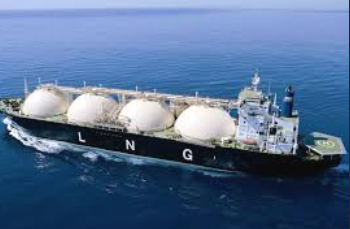
Chattogram Port Handles 1.23 Lakh Tonnes LNG Arrival Amid Rising Energy Demand
In a significant boost to global energy supply chains and LNG shipping markets, Bangladesh has received a combined 123,000 tonnes of liquefied natural gas (LNG) at Chattogram Port through two LNG carriers arriving within just two days.
According to port authorities, the vessels anchored at the outer anchorage of Chattogram Port, reinforcing the country’s growing reliance on imported LNG, maritime fuel logistics, and offshore energy transportation.
The LNG carrier HL Puffin arrived at Kutubdia anchorage on Thursday, transporting 61,997 tonnes of LNG from Australia, while New Brave reached the port on Friday with an additional 61,000 tonnes sourced from Indonesia. Both shipments were confirmed to have arrived on schedule, ensuring continuity in energy supply and power generation capacity.
A third LNG tanker, Celsius Galapagos, is expected to further strengthen Bangladesh’s natural gas reserves and energy security, with an estimated 70,000 tonnes of LNG from the United States scheduled to arrive by April 4. This will increase the total LNG inflow to approximately 193,000 tonnes, reflecting strong momentum in international LNG trade and maritime fuel imports.

Industry sources from Petrobangla indicated that out of nine LNG cargoes planned for March, only seven have reached Bangladesh so far. Notably, two shipments from Qatar remain delayed at Ras Laffan Port, highlighting ongoing challenges in global LNG supply chains and port congestion issues.
Data from 2025 shows that Bangladesh imported 2.586 million tonnes of LNG, with a dominant 64% share coming from Qatar, reinforcing its position as a key supplier in the high-value LNG export market. Meanwhile, the United States accounted for 17% of total LNG imports, with additional volumes sourced from Nigeria, Equatorial Guinea, Indonesia, Angola, Malaysia, and Australia.
Read:Oil and LNG Shipping Rates Surge to Record Highs as Iran Threatens Strait of Hormuz Closure
The continued influx of LNG shipments underscores the growing importance of energy imports, LNG infrastructure investment, and maritime logistics optimization in South Asia. Analysts suggest that rising LNG demand, combined with fluctuating global energy prices, is likely to keep LNG shipping rates, tanker demand, and port activity elevated in the coming months.