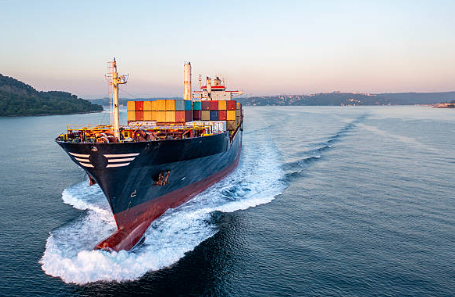
Global Shipping Crisis Deepens as UN Maritime Body Launches Emergency Talks in London
In a rapidly escalating global shipping crisis, the International Maritime Organization has begun urgent discussions in London to protect commercial vessels and thousands of seafarers caught in the fallout of Middle East tensions.
Opening the high-level meeting, IMO Secretary-General Arsenio Dominguez called for “practical measures” to safeguard maritime trade routes and ensure the safety of crews navigating one of the world’s most critical shipping corridors. The two-day emergency session at the IMO headquarters has drawn participation from all 176 member states along with major maritime industry bodies and global NGOs.

Thousands of Ships and Seafarers at Risk
According to the IMO, nearly 20,000 seafarers remain stranded aboard approximately 3,200 vessels, primarily in and around the Strait of Hormuz—a vital artery for global energy trade. The situation has intensified following regional conflict involving Iran, Israel, and the United States.
Dominguez stressed that while the shipping industry has historically shown resilience, geopolitical tensions are now pushing maritime logistics, oil shipping routes, and global supply chains to their limits. “When shipping becomes collateral damage, the entire world feels the impact,” he warned.
Push for Safe Maritime Corridors
One of the key proposals under discussion is the creation of a safe maritime corridor to enable the secure evacuation of stranded vessels and crews from the Persian Gulf. However, even if approved by the IMO’s 40-member council, such resolutions would remain non-binding.
Countries including Japan, Panama, Singapore, and the United Arab Emirates have strongly backed coordinated action to stabilize the situation and ensure maritime safety and crew evacuation protocols.
Rising Tensions and Attacks on Commercial Shipping
The crisis has been compounded by escalating hostilities, with Gulf nations condemning Iran’s actions. The UAE, in particular, denounced what it described as “unprovoked and unlawful attacks” impacting regional stability and international shipping security.
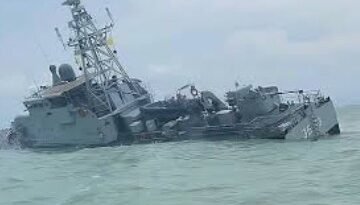
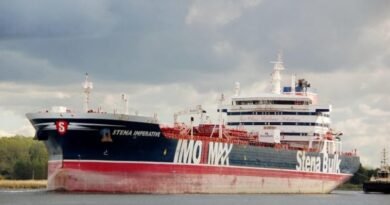
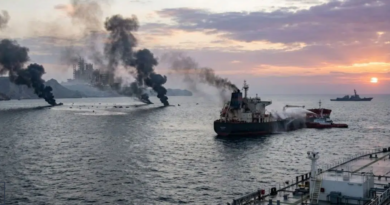
Meanwhile, maritime monitoring group UK Maritime Trade Operations has reported that at least 21 vessels have been attacked, targeted, or involved in incidents since the conflict began. These developments have significantly disrupted oil tanker routes and LNG shipments, sending global energy markets into volatility.
An effective blockade of the Strait of Hormuz, through which nearly 20% of the world’s oil and liquefied natural gas passes, has triggered sharp increases in oil prices and heightened concerns across global financial markets.
Diplomatic Divide Over Responsibility
While Western and Gulf nations have pushed for strong condemnation of Iran’s actions, Tehran has countered by blaming Israeli and US military strikes for the deteriorating maritime security environment. Iran maintains that the current disruptions to shipping are a direct consequence of those actions.
A Critical Moment for Global Maritime Trade
As the IMO deliberates potential resolutions, the stakes remain high for global trade routes, maritime insurance markets, and energy supply chains. The outcome of these talks could shape how the international community responds to one of the most serious disruptions to shipping in recent years.