UAE Highlights Maritime Security Threats in Strait of Hormuz During Virtual FMS Meeting
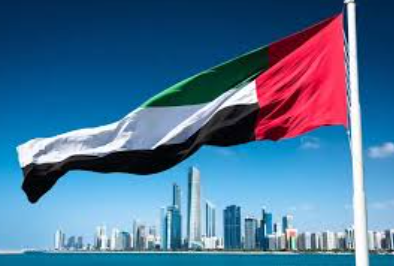
The United Arab Emirates took a strong stand on regional maritime security during a virtual Foreign Ministers meeting on the Strait of Hormuz, hosted by the United Kingdom. Reem bint Ebrahim Al Hashimy, UAE Minister of State for International Cooperation, emphasized the critical risks posed by ongoing Iranian attacks targeting the Gulf region.
Since February 28, the UAE has been under repeated assaults, including over 2,500 ballistic and cruise missiles and drone strikes, primarily hitting civilian infrastructure. “Despite our neutral stance and continuous efforts to de-escalate tensions, these attacks continue unabated,” Al Hashimy said, underlining that such acts constitute economic warfare and piracy, breaching international law and threatening global trade.


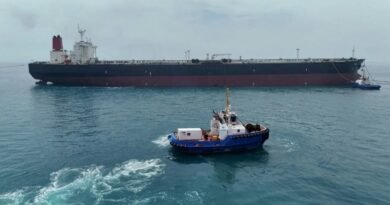
The minister stressed that any attempt to obstruct navigation in the Strait of Hormuz directly endangers the international freedom of navigation, maritime safety, and global energy security. She noted a significant drop in ship transits, which has profound implications for maritime transport, supply chains, and global energy markets.
“The Strait of Hormuz is a lifeline for global trade,” Al Hashimy explained. “It handles roughly 25% of global natural gas production, 20% of oil supplies, 70% of petrochemical needs, and 33% of global fertilizer exports. Any disruption threatens not just regional stability but global food and energy security.”
Highlighting the international community’s role, the UAE reaffirmed its support for UN Security Council Resolution 2817 and the IMO Council’s maritime security initiatives, welcoming Bahrain’s draft resolution to reinforce safety in the Strait. Al Hashimy reiterated that the waterway is international and cannot be controlled unilaterally by any nation.
The UAE called on Iran to immediately halt attacks, respect international maritime law, and ensure safe passage for commercial shipping. Al Hashimy urged a comprehensive global response to address Iran’s threats, including nuclear developments, missile capabilities, drone attacks, terror proxies, and potential blockades.
As tensions in the Gulf continue, the UAE’s statement underscores the urgent need for coordinated international efforts to protect one of the world’s most strategic shipping corridors, vital for energy exports, trade security, and global economic stability.