
Maritime Greenhouse Gas Emissions: The Urgent Push for Cleaner Shipping and Public Health Protection
By Mariam Ghulam Mustafa and Alisha Muhammad Asif
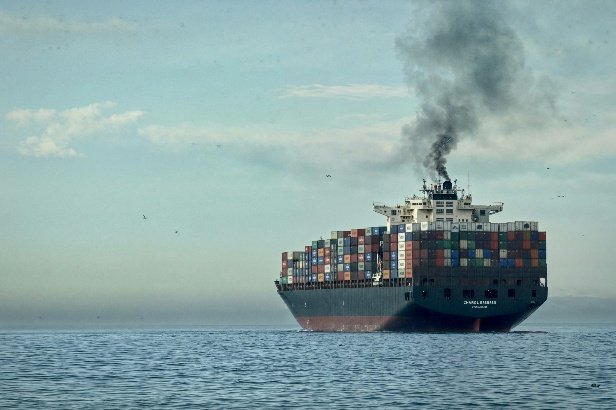
The world economy depends heavily on maritime transport. It transports approximately 80 to 90% of all international trade goods and is therefore indispensable in contemporary trade and supply chains. Nevertheless, the shipping business, which is one of the most fuel-efficient mechanisms of delivering huge volumes of cargo across vast distances, brings about a lot of pollution. Heavy fuel oil, a low-quality petroleum product with high pollution rates, is still used by most vessels.
The combustion of this fuel emits a blend of toxic substances to the atmosphere, which include carbon dioxide (CO2), sulphur oxides (SO2), nitrogen oxides (NO2), particulate matter (PM), and black carbon. The impact of these pollutants on the environment, marine life, and human health is very severe. With the increasing level of international trade every year, there has been a growing concern to address the environmental effects of shipping emissions. Another effect is instant air pollution, particularly in the coastal and port cities where shipping is concentrated.
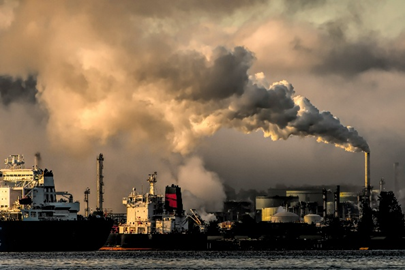
The gases and granules released by the vessels are harmful to the air quality and expose the locals to harmful gases and sulfur oxides and nitrogen oxides that lead to smog and haze. It has always been found in research that with prolonged exposure of these pollutants, there are high incidences of respiratory diseases, asthma attacks, cardiovascular diseases, lung cancer, and premature death. This allows one to understand that the emission controls are one of the primary public health concerns, which is pressing. There are also shipping emissions that impact global climate change greatly. Carbon dioxide release in the atmosphere is caused by ship emissions. The maritime industry is estimated to be contributing 2 to 3 percent of the total world greenhouse gases. Though this number is not significant, it has serious implications, especially due to the anticipated growth: unless preventive measures are taken, the amount of maritime emissions will rise along with the global trade. This will add to the greenhouse effect, increase global warming, raise sea levels, and increase extreme weather events.
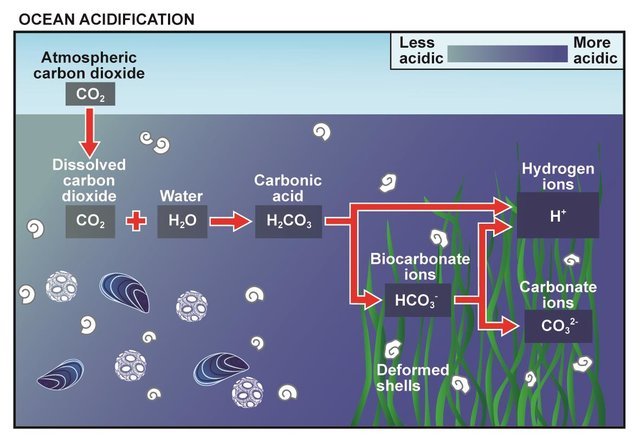
The effect goes to the sea. The carbon dioxide dissolved in the seawater combines with the water to form carbonic acid, resulting in the oceans being acidified. This reduces the pH level in the seas, putting the lives of organisms that use calcium carbonate in their shell and structures at risk, like corals, mollusks, and plankton. The effects on fish life and fishery productivity have dire economic consequences on the coastal communities that depend on a healthy ocean ecosystem for their livelihood. In addition, the emissions of sulfur and nitrogen gases by vessels are combined with moisture in the air to create acid rain. This kills vegetation on the land, weakens the quality of the soil, destroys freshwater ecosystems, and enhances the existing infrastructure and cultural heritage in the coastal regions to decay. It is worsened by the fact that the particulate matter and black carbon will be deposited on the ocean surfaces, as well as polar ice.
The solar radiation is captured by black carbon, causing the melting of the glaciers and sea ice by reducing the reflectivity of the snow and ice, and this forms a vicious cycle that promotes climate change. The solution to this complicated environmental crisis is a collaborative effort that would involve the enhancement of technology as well as robust policies. On the technology front, advancement has been made in the use of cleaner fuels such as low-sulfur fuel oil, liquefied natural gas (LNG), biofuels, and hydrogen. These options have the potential to cut the amount of sulfur oxide and particulate emissions by a significant margin as compared to heavy fuel oil.


Improved hull forms, improved propellers, and new technologies that reduced resistance and fuel consumption have also been developed in advancements in the design of vessels. Slow steaming, or operating ships at reduced speed, has the effect of reducing fuel consumption and greenhouse gas emissions, and relatively small decreases in speed result in substantial savings by large fleets. Wind propulsion systems such as rotor sails and kite systems are reintroducing wind energy to the commercial shipping industry, and the vessels are now able to harness the renewable wind energy along with the engines. Ports can use shore power, or cold ironing, to enable docked vessels to take electricity generated on land rather than by their auxiliary engines. This minimizes air pollution in the area. At the regulatory level, the International Maritime Organization (IMO) has gone a long way, especially by introducing a global cap on sulfur in 2020, which caps the amount of sulfur in marine fuels. They are also coming up with long-term plans to ensure that they minimize greenhouse gas emissions in the sector over time. In conclusion, although maritime transport is fundamental in global economic integration, it has an adverse impact on the environment that should be tackled without wasting more time. It is in one that incorporates cleaner fuels, energy-saving technologies, optimally operating practices, wind-assisted innovations, port electrification, and improved international regulation to rescue the planet and individual well-being in the future.
Mariam Ghulam Mustafa and Alisha Muhammad Asif are food scientists and researchers specializing in food safety, nutrition, and emerging food technologies. They focus on sustainable food systems and raising public awareness about environmental and health impacts.
The views and opinions expressed in this article are solely those of the authors and do not necessarily reflect the views of Maritime Current News.