Deep-Sea Breakthrough: Scientists Discover 117+ New Marine Species in Coral Sea Expedition
A groundbreaking deep-sea exploration has unveiled more than 117 previously unknown marine species in the remote Coral Sea, marking a major milestone in marine biodiversity research, ocean exploration, and environmental science.
The discoveries were made during a five-week scientific voyage led by Australia’s national science agency, CSIRO, aboard its advanced research vessel RV Investigator. Experts believe the total number of new species could eventually exceed 200, making it one of the most significant deep-sea discoveries in recent years.
Major Discovery in One of the World’s Least Explored Oceans
Chief scientist William White described the findings as extraordinary, noting that while new species are expected in such missions, the sheer volume identified so early has surprised researchers.
The expedition explored the vast Coral Sea Marine Park, a region spanning nearly one million square kilometers and considered one of the least-studied deep-water ecosystems on Earth. Scientists used deep-sea trawling equipment and high-tech underwater cameras to survey ocean depths reaching 3,900 meters, uncovering a rich variety of marine life.
New Species of Sharks, Rays and Deep-Sea Creatures Found
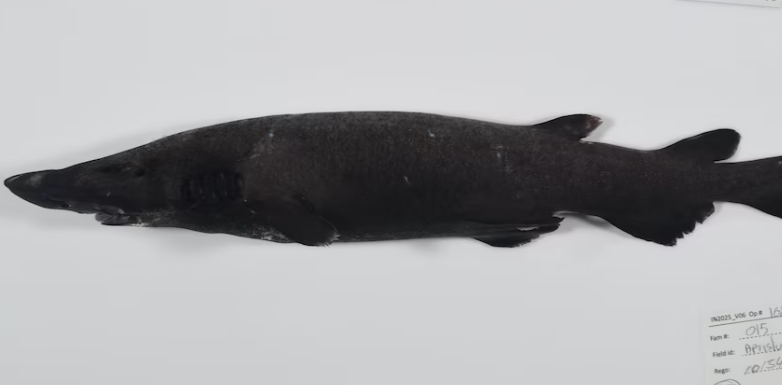
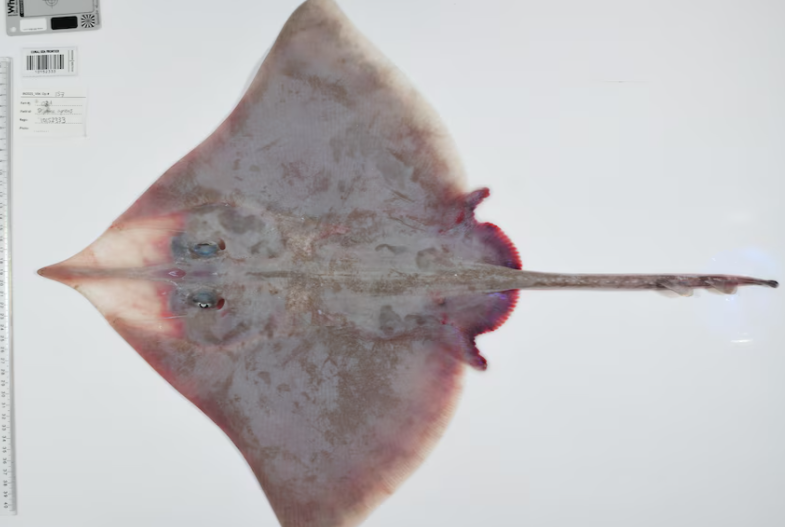
Among the discoveries are new species of deepwater catsharks, ghost sharks, rays, crabs, sea anemones, worms, and sponges, highlighting the untapped biodiversity hidden beneath the ocean surface. Dr. William White alone identified four new species, reinforcing his reputation as a leading expert in shark and ray taxonomy.
Despite discovering nearly 80 species throughout his career, Dr. White emphasized that each new find remains a thrilling achievement in marine science and taxonomy.
Advanced Technology Drives Ocean Exploration
The mission recorded over 6,000 specimen samples, using cutting-edge deep-sea cameras and sampling tools to document life in previously uncharted areas. These technological advancements are playing a crucial role in deep-sea exploration, climate research, and sustainable ocean management.
Scientists Say Research Will Take Decades
Experts estimate it could take 10 to 20 years to fully analyze and document all collected data and specimens. The findings are being preserved and studied in collaboration with institutions such as the Australian Museum, which holds over 500,000 invertebrate specimens.
Marine researcher Claire Rowe highlighted the importance of the expedition, noting that this is the first time many of these species have been recorded, providing a critical baseline for future ocean studies and conservation efforts.
Read:Stranded Humpback Whale Crisis in Baltic Sea Raises Marine Conservation Concerns in Germany


Implications for Climate Change and Marine Conservation
Scientists believe these discoveries could play a vital role in improving marine conservation strategies, biodiversity protection, and climate change research. The ability to extract DNA samples from rare deep-sea organisms, including jellyfish, could unlock new insights into ocean ecosystems and resilience.
With limited access to such remote ocean regions, researchers warn this may be the last major scientific survey of the area for decades, making these findings even more valuable for the future of global ocean sustainability.