US Maritime Policy Shift: NOAA Reopens Northeast Canyons Marine Monument to Commercial Fishing Industry
In a major development for the global seafood trade and maritime economy, the National Oceanic and Atmospheric Administration (NOAA) has officially lifted its long-standing ban on commercial fishing in the Northeast Canyons and Seamounts Marine National Monument, signaling a significant policy shift aimed at boosting the U.S. fishing sector.
The move, implemented by NOAA’s National Marine Fisheries Service, follows a presidential proclamation signed by Donald Trump earlier this year. The reopening is expected to revitalize commercial fishing operations, enhance seafood supply chains, and strengthen coastal economies tied to maritime industries.

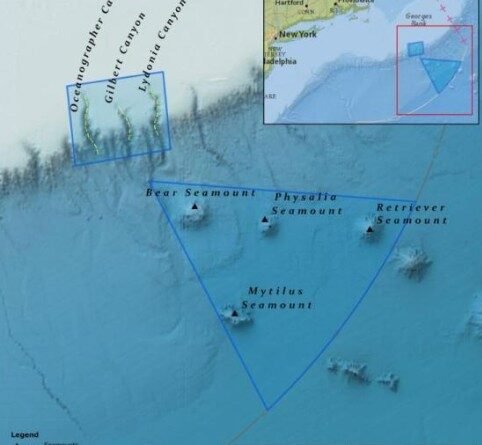
Spanning approximately 4,900 square miles in the Atlantic Ocean, the monument is known for its rich marine biodiversity and commercially valuable species such as red crab, mackerel, and swordfish, key assets in the high-value global fisheries market. Industry stakeholders have long viewed access to this zone as critical for improving catch volumes and sustaining profitability amid rising operational costs.
According to NOAA, the decision reflects extensive consultation with fishing companies and aligns with broader economic goals to support fishermen and maritime communities. U.S. Commerce Secretary Howard Lutnick emphasized that the reopening reinforces the government’s commitment to strengthening the domestic fishing industry and ensuring long-term economic resilience.
Despite the policy relaxation, environmental safeguards remain in place. Restrictions on certain fishing methods, particularly trawling, dredging, and other bottom-impact gear, continue to apply in sensitive coral habitats near Georges Bank. These protections are aligned with conservation measures under the New England Fishery Management Council, aimed at preserving deep-sea coral ecosystems while allowing sustainable fishing practices.
Read :The Rising Tide of Technology: Remote Sensing is transforming the Future of Fisheries
This decision marks the second major regulatory easing for the U.S. fishing industry within weeks. Previously, the Western Pacific Regional Fishery Management Council approved reopening portions of multiple Pacific marine monuments to commercial fishing, with tailored restrictions based on gear types and distance from shore.
The reopening of key fishing grounds is expected to have ripple effects across maritime logistics, seafood exports, and global supply chains, positioning the U.S. to remain competitive in the rapidly evolving blue economy.