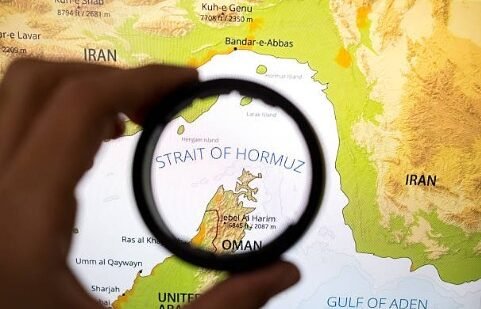
Iran Issues New Shipping Routes in Strait of Hormuz amid Mine Risk and Ceasefire Window
Iran has introduced alternative navigation routes for vessels transiting the Strait of Hormuz, citing growing safety concerns linked to potential sea mines in the main shipping corridor.
The directive was issued by the Islamic Revolutionary Guard Corps, which advised all commercial vessels and tanker operators to follow newly designated entry and exit channels to reduce the risk of collisions and ensure safer passage through one of the world’s most critical maritime chokepoints.

The move comes as Tehran agrees to a temporary reopening of the Strait of Hormuz under a two-week ceasefire arrangement with the United States. The narrow waterway handles nearly 20% of global oil shipments, making it vital for global energy markets, LNG trade, and tanker shipping routes.
According to official statements, ships are now required to follow alternative transit corridors to maintain maritime safety while navigating through areas potentially affected by sea mines. Detailed routing instructions have been shared with international shipping stakeholders to avoid disruptions and ensure continuity in global trade flows.
The ceasefire agreement follows escalating tensions between Tehran and Washington, with Donald J. Trump setting a deadline for Iran to reopen the strait or face military consequences. The agreement was reached shortly before that deadline, creating a temporary window for de-escalation and negotiations.
Shipping activity in the Strait of Hormuz had been severely impacted since early March, when Iran effectively restricted access to the route. The disruption triggered sharp volatility in global oil prices, increased tanker insurance premiums, and forced shipping companies to reassess risk exposure in the Gulf region.
Read:Trump Announces Temporary Ceasefire with Iran, Conditional on Strait of Hormuz Opening
Maritime analysts say the introduction of alternative routes could help stabilize vessel movement in the short term, though risks remain elevated. The situation continues to be closely monitored by global shipping companies, oil traders, and LNG operators, as the outcome of ongoing negotiations will shape the future of one of the world’s most strategic maritime corridors.