Archaeologists Discover Centuries-Old Shipwrecks in Bay of Gibraltar
A major Ancient Shipwreck Discovery Gibraltar breakthrough is reshaping Maritime Archaeology Spain efforts, as researchers uncover extensive Underwater Heritage Sites and Mediterranean Shipwrecks in the historic Bay of Gibraltar. The findings highlight the importance of Bay of Gibraltar Research and Historic Shipwreck Exploration in understanding centuries of maritime trade and conflict.
Spanish archaeologists working near Bay of Gibraltar have documented more than 30 wrecks, contributing to a broader Marine Archaeological Project that has identified 151 sites, including 134 shipwrecks. This Gibraltar Strait Maritime History hotspot continues to reveal vessels dating from as far back as the fifth century BC through to the modern era.
The bay, located at the northern end of the Strait of Gibraltar, has long served as a critical maritime corridor linking Europe and Africa. Over thousands of years, it has claimed ships from diverse civilizations, including Phoenician, Roman, British, Spanish, Venetian, and Dutch fleets, along with occasional aircraft remains.
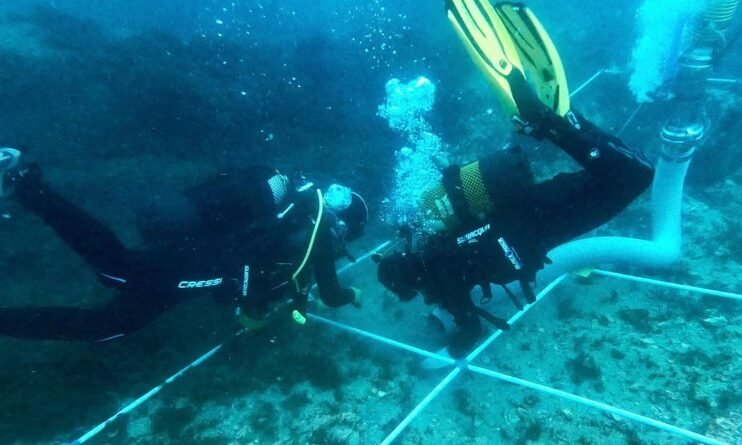
The three-year investigation, led by University of Cádiz in collaboration with University of Granada, has so far closely documented 34 wrecks. Among the discoveries is a Punic-era vessel from the fifth century BC, alongside 23 Roman ships, late Roman wrecks, medieval vessels, and numerous early modern ships.
These submerged remains collectively narrate centuries of war, commerce, and exploration in one of the world’s most strategically vital waterways. The diversity of wrecks underscores how the strait functioned as a global maritime bottleneck, where ships traversed routes between the Atlantic and the Mediterranean for trade, military campaigns, and exploration.
Project leader Felipe Cerezo Andreo emphasized the uniqueness of the site, noting the rare concentration of shipwrecks representing multiple cultures and nations. According to him, few locations in the Mediterranean offer such a dense and varied archaeological record.
Particular attention has been given to three medieval vessels, which may provide new insights into seafaring during the late Islamic period in southern Spain. Meanwhile, one of the most intriguing finds is the wreck of the Puente Mayorga IV, an 18th-century Spanish gunboat designed for stealth attacks against British naval forces near Gibraltar.
The vessel, often disguised as a fishing boat, was used in rapid naval assaults, yet remains largely understudied in maritime archaeology. During excavation, researchers uncovered an unusual artifact initially thought to be a preserved book, which turned out to be a hollow wooden box containing personal grooming items, offering a glimpse into the daily lives of naval officers.
Despite the significance of these discoveries, the sites face growing threats from port expansion, dredging activities, and climate change. Rising sea levels and invasive marine species are already impacting sediment layers and accelerating the deterioration of these fragile underwater remains.
To raise awareness and support preservation, the research team has developed virtual models and immersive 360-degree experiences, allowing the public to explore these underwater sites without diving. These digital tools are being showcased in local museums and community spaces to promote conservation efforts.
The Bay of Gibraltar now stands as a remarkable microcosm of maritime history, offering scholars a rare opportunity to study the evolution of seafaring across the Iberian Peninsula and North Africa. Researchers stress that protecting these underwater cultural assets is essential for preserving the shared maritime heritage of multiple civilizations.