Panama Canal Sees Surge as US Crude Oil Tanker Traffic Hits Four-Year High
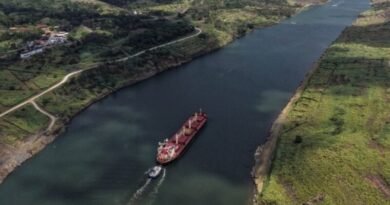
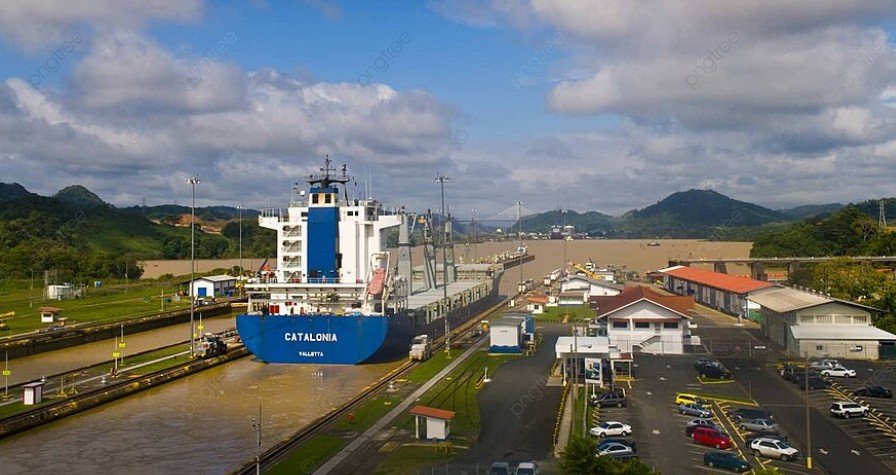
Oil flows through the Panama Canal are nearing a four-year high as Panama Canal oil tankers, US crude exports, Asian refiners demand, and Strait of Hormuz disruption reshape global energy shipping patterns. Asian buyers are increasingly turning to American crude as supply chains remain strained by ongoing disruptions in the Strait of Hormuz, pushing daily US oil shipments through the canal beyond 200,000 barrels ,close to levels last seen in mid-2022.
The surge highlights how global oil shipping routes, US Gulf Coast exports, energy supply chain crisis, and crude oil transit Panama have become central to the evolving maritime energy landscape. With uncertainty lingering over the reopening and regulation of Hormuz traffic, refiners across Asia are accelerating purchases of US crude to secure near-term supply.
Despite ongoing diplomatic efforts between the United States and Iran to stabilize flows through the Persian Gulf, mixed signals over control and transit regulations continue to cloud the timeline for full recovery. This uncertainty has intensified reliance on alternative routes, particularly the Panama Canal, which remains the shortest link between the US Gulf Coast and major Asian markets.
However, the sharp increase in demand has triggered congestion. Tanker operators are now facing longer wait times to transit the canal, prompting some to pay premiums exceeding $3 million to secure priority passage. For certain cargoes such as liquefied petroleum gas, the cost of bypassing queues has climbed even higher, underscoring the pressure on maritime logistics networks.
While the canal cannot accommodate the largest crude carriers, it remains a vital shortcut. A voyage from the US Gulf Coast to Japan via Panama takes roughly one month, compared to nearly double that time when routing around Africa via the Cape of Good Hope.
Industry data indicates that most tankers crossing into the Pacific in recent weeks have been loaded with US crude destined for Japan and South Korea. At the same time, increased shipments of oil, gas, and chemical products have further strained canal capacity, contributing to delays at entry points.
Officials maintain that the waterway continues to function efficiently, but the spike in demand illustrates how quickly global trade routes can shift under geopolitical pressure. As tanker freight rates rise and supply chains adjust, the Panama Canal is once again at the center of a rapidly evolving global energy trade system.