Germany Deploys Naval Minesweeper to Safeguard Global Oil Shipping Routes in the Strait of Hormuz
Germany is preparing to strengthen maritime security in one of the world’s most critical energy corridors, as Berlin plans to deploy a naval minesweeper to the Mediterranean Sea ahead of a possible mission in the Strait of Hormuz. The move comes following the de-escalation of tensions after the recent conflict involving the United States and Iran.
According to Germany’s Defense Ministry, the navy vessel Fulda is expected to be deployed within days, positioning itself for potential participation in a multinational maritime security operation. The mission aims to ensure uninterrupted shipping flow and reinforce maritime safety in a region that underpins global oil and gas trade.
Officials emphasized that the deployment is part of a broader international effort to maintain freedom of navigation, a key concern for global shipping companies, oil traders, and logistics stakeholders. Several nations have already signaled willingness to join what is being framed as a “neutral maritime security mission,” designed to stabilize one of the busiest energy transit chokepoints in the world.
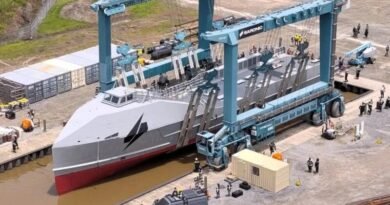
The minesweeper Fulda, operated by a crew of approximately 45 personnel, is specially equipped to detect and neutralize underwater mines—one of the most significant threats to commercial vessels, oil tankers, and LNG carriers operating in high-risk zones. Maritime analysts note that mine warfare remains a major concern in the region, especially during periods of geopolitical instability.
However, German authorities clarified that any direct deployment into the Strait of Hormuz will depend on sustained peace conditions and must receive approval from the German parliament, ensuring legal and political oversight before engagement.
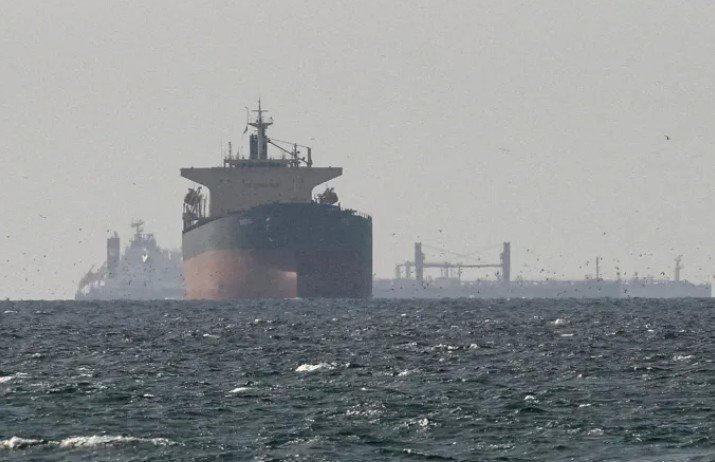
The strategic importance of the Strait of Hormuz cannot be overstated. Roughly 20% of the world’s oil supply and nearly 25% of global LNG shipments transit through this narrow maritime corridor, making it a vital artery for international energy markets. Any disruption in this region can trigger immediate impacts on global oil prices, shipping insurance rates, and supply chain stability.
Geographically, the strait lies between Iran and Oman, with shipping lanes in some sections narrowing to just two miles in each direction. This tight passage increases the vulnerability of vessels to threats such as naval mines, piracy, and military escalation.
With global demand for energy security rising, Germany’s proactive deployment signals a broader shift toward coordinated naval presence and maritime risk mitigation. Industry experts suggest that such moves could reassure global shipping operators, stabilize freight markets, and support uninterrupted oil and gas flows across international supply chains.
As geopolitical dynamics evolve, the focus on securing critical maritime chokepoints like the Strait of Hormuz remains central to sustaining global trade, energy security, and economic resilience.