Chinese Supertankers Exit Strait of Hormuz as Trump Signals Possible Iran Deal
Two Chinese-linked supertankers have exited the strategically vital Strait of Hormuz after remaining in Gulf waters for more than two months, as diplomatic signals from Washington suggest a possible breakthrough in negotiations with Iran amid ongoing regional tensions.
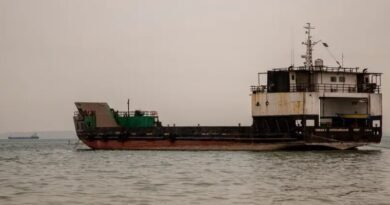
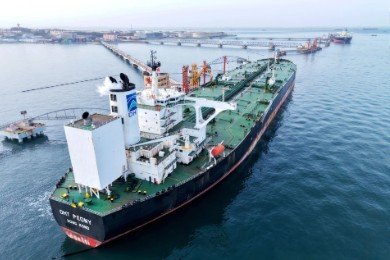
Shipping intelligence data from LSEG and Kpler showed that the Chinese-flagged Yuan Gui Yang and Hong Kong-flagged Ocean Lily sailed out of the Strait carrying nearly 4 million barrels of crude oil combined, highlighting renewed movement in one of the world’s most critical energy shipping corridors.
The departure of the vessels comes at a sensitive moment for global oil markets, maritime security, and Middle East geopolitics, with investors closely monitoring the future of Gulf energy exports and tanker traffic through the Strait of Hormuz.
Oil Tankers Resume Movement through Hormuz
According to shipping data, Yuan Gui Yang loaded approximately 2 million barrels of Iraqi Basrah crude on February 27, just before the outbreak of the US-Israel conflict involving Iran. Meanwhile, Ocean Lily loaded around 1 million barrels each of Qatari Al-Shaheen crude and Iraqi Basrah crude between late February and early March.
South Korean Foreign Minister Cho Hyun also confirmed during a parliamentary hearing in Seoul that a South Korean crude tanker was transiting through the Strait on Wednesday, signalling cautious normalization of maritime energy traffic in the Gulf region.
Trump and JD Vance Hint at Diplomatic Progress
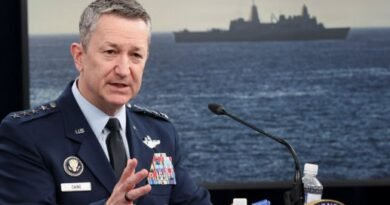
US President Donald Trump told American lawmakers that the conflict involving Iran could end “very quickly” and expressed hope for a peaceful resolution.
US Vice President JD Vance said during a White House briefing that negotiations between Tehran and Washington were “in a pretty good spot,” adding that discussions were continuing with “a lot of good progress” being made.
The remarks boosted hopes of a possible diplomatic agreement that could ease tensions across the Gulf shipping sector and reduce risks to global oil supply chains.
Iran Warns of Wider Regional Conflict
Despite the optimistic comments from Washington, Iran’s Islamic Revolutionary Guard Corps (IRGC) warned that any renewed military action by the United States or Israel could trigger a broader regional escalation extending beyond the Middle East.
In a statement carried by Iran’s semi-official Tasnim News Agency, the IRGC said future attacks on Iran would result in retaliatory strikes in locations “never imagined.”
Trump had earlier warned Iran that military action remained possible if negotiations failed, reportedly giving Tehran “two to three days” to reach an agreement before the US considered further action.
Iran has repeatedly warned it could target US military bases in the Middle East if attacked again, raising concerns among global shipping operators, oil traders, and marine insurers.
Oil Prices Remain Elevated Despite Diplomatic Optimism
Global oil prices briefly eased following positive statements from the White House, although analysts say energy markets are likely to remain volatile due to ongoing geopolitical uncertainty in the Gulf.
Brent crude, the international oil benchmark, dropped to around $110.16 per barrel after recent highs linked to fears over disruptions in the Strait of Hormuz — a chokepoint that handles a major share of global seaborne oil trade.
According to Emril Jamil, senior oil research analyst at LSEG, oil prices may continue to face upward pressure even if a diplomatic deal is reached because crude supply levels may not immediately return to pre-conflict volumes.
The broader economic impact of the US blockade around the Strait of Hormuz has already affected international markets, with energy costs and weakened trade contributing to slower global growth forecasts.
Read:Iran Plans Strait of Hormuz Shipping Fees Under New Maritime Control Mechanism
The United Nations recently lowered its global growth forecast to 2.5 percent for the year, citing rising energy prices and trade disruptions. The UN also warned that low-income households in developing nations are being hit hardest as food and fuel costs continue to outpace wages.