Australia Investigates Sharp Decline in Humpback Whale Sightings as Census Sparks Marine Conservation Concerns
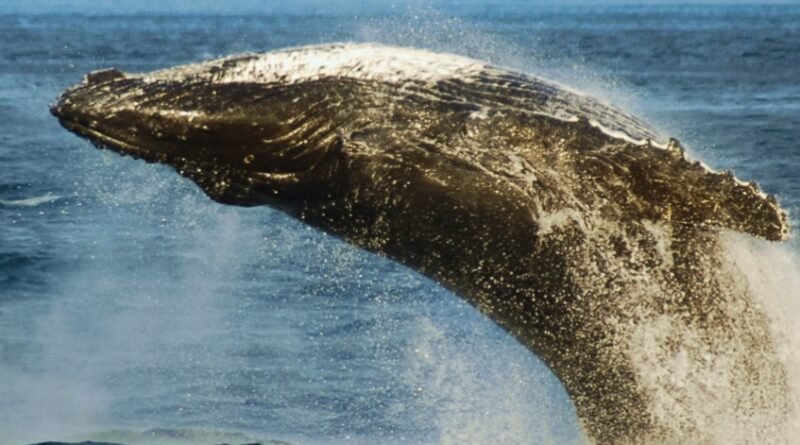
Australia’s marine scientists are investigating a significant decline in humpback whale sightings after an annual whale census revealed an unexpected drop along Western Australia’s southwest coast, raising new concerns about whale migration and the health of marine ecosystems.
The annual survey conducted by the Organisation for the Rescue and Research of Cetaceans (ORRCA) recorded only 22 humpback whales passing Cape Naturaliste this year, compared with 69 whales in 2025 and 62 in 2024. The nearly 60% decrease has surprised researchers, who describe the decline as far beyond normal seasonal variation.
According to scientists involved in the study, annual whale numbers typically fluctuate by about 20%, making this year’s results unusually low and prompting a closer investigation into the factors affecting the migration.
Researchers are exploring several possible explanations, including reduced food availability, changes in migration timing, and disease, although no single cause has yet been confirmed. Marine experts say additional scientific monitoring will be necessary before drawing conclusions.
The findings come shortly after several whale deaths were reported along Australia’s coastline, increasing calls for comprehensive testing of stranded whales to determine whether disease, environmental stress, or other marine conditions may be contributing to the trend.
The decline has also been noticed by the tourism industry. Whale-watching operators across Western Australia report significantly fewer humpback whale encounters this season, with experienced operators describing it as one of the quietest starts in many years and noting noticeable differences in whale behavior.
Meanwhile, Western Australia’s Department of Biodiversity, Conservation and Attractions emphasized that whale migration timing can vary naturally from year to year and said there is currently no evidence pointing to a long-term decline in the overall humpback whale population.
On Australia’s east coast, ORRCA’s annual whale census recorded more than 1,950 humpback whales during their northern migration. However, researchers cautioned that changes in survey methodology mean those figures cannot be directly compared with results from previous years.
Marine scientists will continue monitoring whale movements over the coming months as they work to determine whether the decline reflects a temporary shift in migration patterns or signals broader environmental challenges affecting one of the world’s most closely watched whale populations.