France Strengthens Strait of Hormuz Maritime Security with Warships, Frigates and Patrol Aircraft to Protect Global Shipping
France has reinforced its maritime security presence in the Strait of Hormuz by deploying additional naval assets aimed at safeguarding one of the world’s most strategically important shipping corridors, as international efforts continue to ensure the uninterrupted flow of global trade and energy supplies.
French President Emmanuel Macron announced that France has dispatched two mine countermeasure vessels, two frigates, and a maritime patrol aircraft to the Middle East to help maintain secure navigation through the Strait of Hormuz.
According to Macron, the deployed naval forces are prepared to operate alongside partner nations to support safe maritime transit, protect commercial shipping, and contribute to the full restoration of normal shipping operations across the region.
The French president also said that the memorandum of understanding signed between the United States and Iran on June 17 marks an important step toward improving regional stability, while emphasizing that continued international cooperation remains essential for maritime security.
Macron confirmed that France’s aircraft carrier Charles de Gaulle is returning to its home port in Toulon following operational duties. However, he stressed that other French military assets will remain stationed across the Middle East and will be ready to respond if the regional security situation requires additional action.
He added that France will continue adjusting its military posture in the region in response to evolving security conditions, underscoring the country’s commitment to protecting freedom of navigation and supporting international maritime stability.
Read: Iran Rejects U.S.-Led Gulf Security Talks, Says Strait of Hormuz Falls under Tehran’s Authority
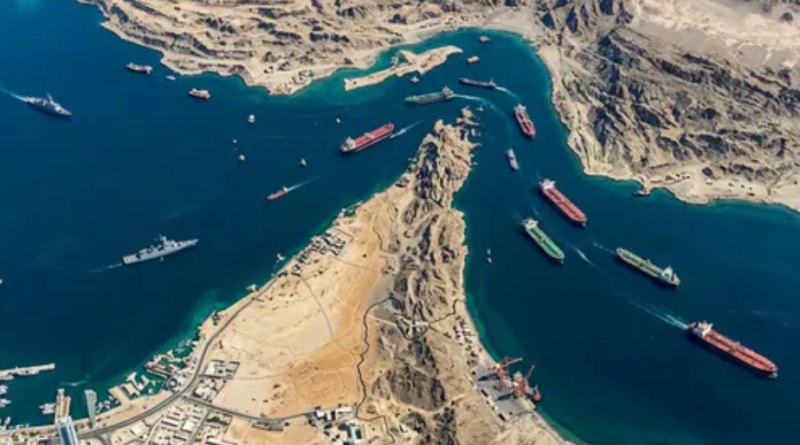
The Strait of Hormuz remains one of the world’s most critical maritime chokepoints. Connecting the Persian Gulf with the Gulf of Oman, the narrow waterway handles approximately 20% of global oil supplies and nearly 25% of worldwide liquefied natural gas (LNG) exports, making it indispensable to international energy markets and global supply chains.
The strategic passage separates Iran from Oman, with some shipping lanes narrowing to only two miles in each direction. Because of its central role in global commerce, any disruption to navigation through the strait can have immediate consequences for international shipping, energy prices, and worldwide economic stability.
France’s latest deployment highlights the growing focus on maritime security, freedom of navigation, and the protection of commercial vessels operating in one of the world’s busiest and most strategically significant sea routes.