Port Qasim Plans 150-Acre Automotive Zone to Boost Vehicle Trade and Exports
Federal Minister for Maritime Affairs Muhammad Junaid Anwar Chaudhry has announced plans to establish a 150-acre automotive processing zone at Port Qasim, aimed at strengthening Pakistan’s vehicle import, refurbishment, export, and port-based logistics infrastructure. The project will be developed in phases, with future expansion linked to market demand.
The decision was announced during a meeting attended by Port Qasim Authority (PQA) Chairman Rear Admiral (Retd) Syed Moazzam Ilyas and members of the PQA Board. The minister said the proposed automotive zone would initially move forward with its first phase and could subsequently be expanded as market demand increases.
The proposed facility is planned to include 264 operational units across five specialised segments. These will comprise 30 commercial units, 84 refurbishment workshops, 60 car display units, 20 machinery yards, and 70 auto spare-parts units. The integrated structure is intended to bring automotive businesses and supporting services together within a dedicated port logistics and industrial ecosystem.
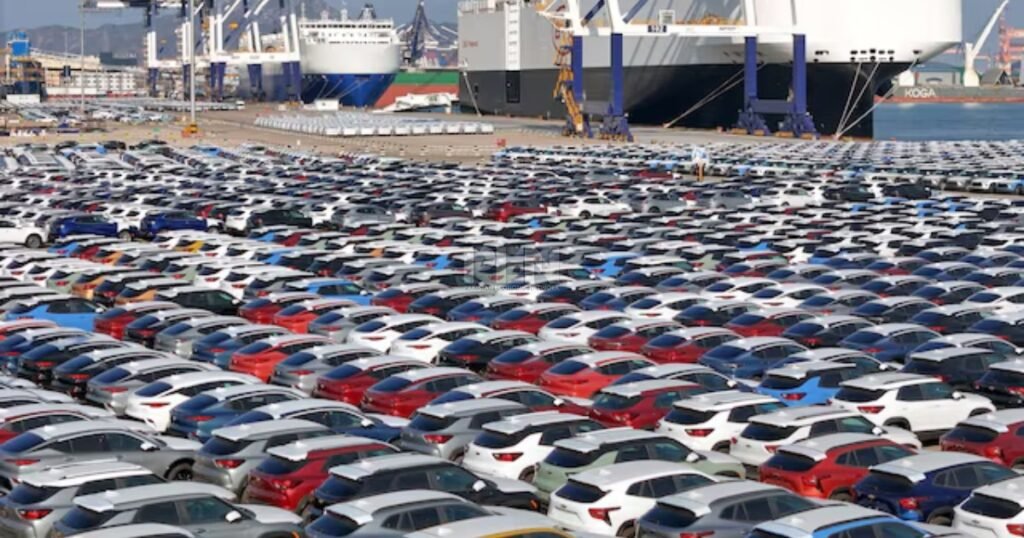
According to the project concept, the zone will be developed within the Port Qasim industrial corridor, giving businesses direct access to the port and potentially reducing inland logistics requirements associated with imported and exported vehicles. This port-based model could improve the efficiency of vehicle handling by connecting automotive supply chains, maritime transport, warehousing, refurbishment, spare-parts services, and vehicle exports within one location.
A central feature of the proposal is Pakistan’s first dedicated Import-Refurbishment-Export (AIRE) framework for the automotive sector. The proposed platform is designed to facilitate vehicle import, refurbishment, display, and export through an integrated system. By combining these activities around a major maritime gateway, the project could create a more coordinated logistics chain for businesses involved in international vehicle trade.
The project proponents estimate that the proposed AIRE Park could generate an annual net foreign exchange surplus of around $200 million, based on estimated exports of $500 million. If achieved, this would position the facility as an important component of Pakistan’s efforts to increase export-oriented industrial activity and strengthen foreign exchange generation through maritime-linked trade.
Port Qasim’s strategic location is another major element of the project. The port is one of Pakistan’s major gateways for vehicle trade and handles a significant share of the country’s seaborne commerce. The proposed automotive processing zone would also be located along the Arabian Sea shipping corridor connecting South Asia with the Gulf and East Africa, potentially supporting regional vehicle trade and expanding commercial links across these markets.
The proposed Port Qasim automotive zone represents a shift toward greater integration between port infrastructure, automotive logistics, industrial processing, and international trade. Locating refurbishment, vehicle displays, machinery yards, commercial operations, and spare-parts suppliers close to a major seaport could reduce logistical fragmentation and create a more integrated automotive supply chain. The phased development strategy is also significant because it allows capacity to be aligned with actual market demand rather than requiring the entire 150-acre facility to become operational at once. However, the projected $200 million annual net foreign exchange surplus and $500 million export figure are project proponents’ estimates and should be viewed as targets rather than achieved results.
The development could also strengthen Port Qasim’s role as an automotive logistics hub by expanding activities beyond conventional cargo handling toward higher-value port-related industrial services. Such integration can potentially support businesses involved in vehicle imports, refurbishment, exports, machinery, spare parts, warehousing, and maritime supply chains while increasing the economic value generated around port infrastructure.
Chairman Port Qasim Authority Rear Admiral (Retd) Syed Moazzam Ilyas said the phased approach would allow the project to expand according to market demand and could provide a model for establishing similar automotive zones elsewhere in Pakistan.
If implemented as proposed, the Port Qasim Automotive Processing Zone could become an important development in Pakistan’s maritime logistics, automotive trade, port infrastructure, export development, and supply chain landscape, while creating a dedicated platform linking vehicle-related commercial activity directly with international maritime trade.
Read:Maritime Minister Junaid Anwar Chaudhry pledges investor boost to ignite blue economy