IMO Warns of Growing Red Sea Shipping Risks after TIHAMAH Attack
The International Maritime Organization (IMO) has condemned an attack on the cargo ship TIHAMAH off the coast of Al Mokha, Yemen, in which a projectile struck the vessel and several seafarer fatalities were confirmed. IMO Secretary-General Arsenio Dominguez expressed deep sadness over the loss of life and described the attack as an indefensible assault on international shipping. The incident highlights continuing maritime security risks in the Red Sea and Gulf of Aden, two strategically important waterways for global shipping and international trade.
Dominguez urged shipowners and ship operators to thoroughly assess maritime security risks before transiting the Red Sea, Gulf of Aden and other high-risk areas. He also called on shipping companies to follow appropriate best management practices to strengthen crew safety, vessel security and risk management. According to the IMO Secretary-General, seafarers have the right to carry out their duties in safety and security, while ensuring seafarer safety remains a fundamental obligation under international law and a shared responsibility of the global community.
The IMO also called for the immediate and unconditional release of seafarers held captive following piracy attacks in the Red Sea and Gulf of Aden region. The appeal comes as continued threats against commercial vessels create additional pressure on maritime operators navigating strategically important shipping routes.
From a maritime security perspective, the TIHAMAH incident demonstrates how attacks on commercial shipping can create consequences well beyond the individual vessel involved. Repeated attacks in the Red Sea and Gulf of Aden can increase voyage risk assessments, insurance exposure, security costs and operational uncertainty for shipowners and cargo operators. If threats remain persistent, shipping companies may consider alternative routing, additional security measures or changes to voyage planning, potentially increasing transit times and logistics costs across international supply chains.
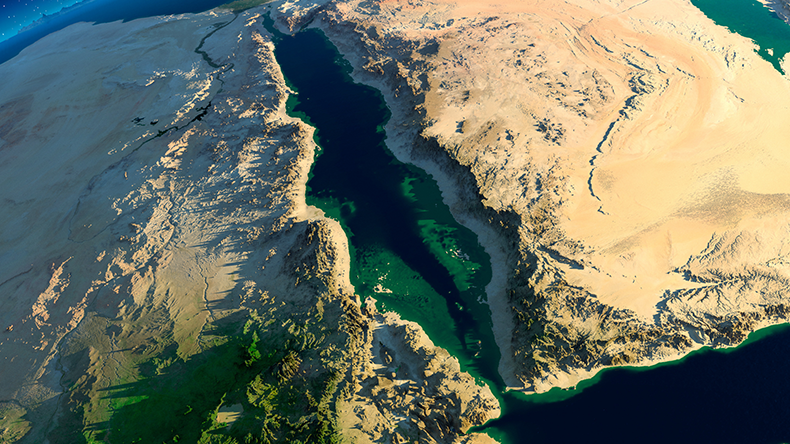
The Red Sea is particularly important to global maritime trade, container shipping, energy transportation and supply chain connectivity because it provides a major maritime link between the Indian Ocean and the Mediterranean through the Suez Canal. Any sustained deterioration in maritime security can therefore affect vessel routing, freight costs, delivery schedules and wider global supply chain resilience.
The IMO Secretary-General warned that continued attacks on shipping serve to escalate tensions and threaten the global supply chains on which economies and consumers depend. The latest incident involving TIHAMAH therefore reinforces the need for coordinated international maritime security, effective risk assessment and stronger protection for seafarers operating in conflict-affected and high-risk waters.
For shipowners and operators, the IMO’s message is clear: maritime risk management and seafarer safety must remain central to voyage planning in the Red Sea and Gulf of Aden. The continuing security situation also demonstrates the importance of international cooperation to protect freedom of navigation and maintain the safe movement of commercial shipping through critical global trade routes.