China and Russia Expand Arctic Trade as Northern Sea Route Gains Global Shipping Importance
The Northern Sea Route (NSR) along Russia’s Arctic coast is becoming increasingly important to trade and energy relations between China and Russia. Although the route remains covered by ice for much of the year, its short navigation season can provide a faster cargo connection between Asia and Europe than the traditional Suez Canal route.
For Moscow, the Northern Sea Route has gained strategic importance amid sanctions, while Beijing sees the Arctic shipping corridor as an additional channel for transporting energy resources and other goods. However, growing Arctic shipping activity also brings significant challenges, including severe weather, changing ice conditions, environmental risks and maritime security concerns.
Northern Sea Route Supports Russian LNG Exports to China
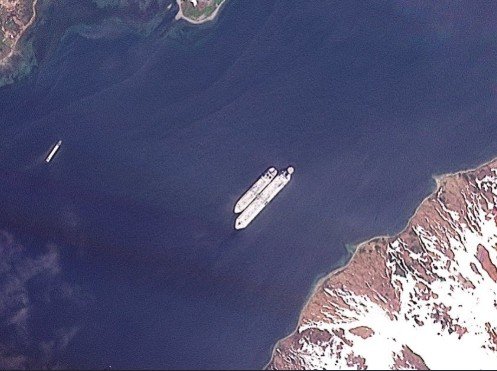
The Northern Sea Route is also being used in logistics linked to Russian liquefied natural gas (LNG) exports to China. At the end of May, the tanker Christophe de Margerie, linked to exports from the sanctioned Russian Arctic LNG-2 project, traveled along the Northern Sea Route toward Kamchatka.
Vessel-tracking data and satellite imagery indicated that the cargo was transferred to a floating storage facility in one of the region’s remote bays. The sanctioned tanker Arctic Mulan, reportedly carrying the gas, later sailed toward the Chinese port of Beihai. A similar operation involving the same vessels was repeated in July.
The logistics arrangement demonstrates how the Northern Sea Route has become an option for transporting Russian LNG to China despite U.S. sanctions. During the first half of the year, China’s imports of Russian LNG through all routes increased by nearly 28%.
Chinese Shipping Companies Increase Arctic Activity
China is also expanding its commercial shipping presence along the Northern Sea Route. Shipping company Sea Legend plans to establish a regular seasonal container service connecting China and Europe, with estimated cargo transit times potentially as short as 20 days.
Meanwhile, New New Shipping has launched a route connecting Tianjin with Murmansk. The service supports the movement of Chinese industrial goods to Russia while also facilitating the transportation of Russian raw materials in the opposite direction.
Schedules from the China Shipowners’ Association indicate that at least six Chinese companies may conduct more than 50 voyages along the Northern Sea Route during the season, highlighting the growing interest in Arctic maritime logistics.
Arctic Shipping Faces Major Operational Risks
Despite its potential to reduce transit times, the Northern Sea Route is not a straightforward replacement for the Suez Canal shipping route. Vessels traveling through the Arctic must register their voyages through a Rosatom body, while the navigation window remains limited to only a few months.
Rapid changes in sea-ice conditions and Arctic weather further complicate maritime operations. Major concerns include possible vessel accidents in remote areas, fuel spills and other pollution risks, the use of aging tankers associated with the “shadow fleet,” and dependence on Russian infrastructure and operating permits.
These challenges mean that Arctic shipping requires specialized planning, infrastructure and risk management, particularly as commercial activity increases along the route.
China-Russia Arctic Trade Raises Security Questions
The expansion of China-Russia trade through the Arctic is also attracting attention from Western countries because of its potential security implications. Concerns include Chinese scientific expeditions, the expansion of China’s polar fleet and previous joint operations between China and Russia.
Beijing maintains that its Arctic activities comply with international law and are focused on peaceful development. Moscow, meanwhile, is seeking to maintain control over the strategically important Northern Sea Route and views China primarily as a major energy buyer and important trading partner.
The growing use of the Northern Sea Route is therefore becoming another important element of China-Russia economic relations. While the Arctic shipping corridor could influence global logistics, maritime trade and energy transportation, harsh environmental conditions, sanctions pressure, regulatory requirements and environmental risks will remain key factors shaping its future.
Read: China Maritime Safety Administration Strengthens Maritime Safety and Smart Shipping Strategy