IMO Strengthens Seafarer Training for Alternative Fuels and Maritime Technology
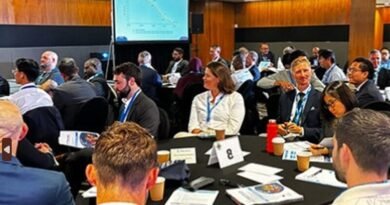
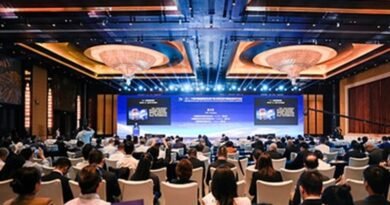
Seafarer training, maritime safety and professional competence were at the centre of discussions as maritime experts examined how the shipping industry can prepare crews for alternative fuels and new technologies. The event was held in Lisbon from 14–18 September and focused on the evolving competence and training requirements facing seafarers during the maritime sector’s transition.
The event brought together representatives from maritime administrations, industry, maritime education and training institutions, international organizations and academia. It was organized by the International Maritime Organization (IMO) and the European Maritime Safety Agency (EMSA), with support from the World Maritime University (WMU).
Alternative Fuels Drive New Maritime Training Requirements
Discussions examined competence and training requirements linked to ammonia, methanol, hydrogen, batteries and onboard carbon capture systems. Participants considered how seafarer competence and training frameworks can develop alongside technological and operational changes in the maritime industry.
The discussions highlighted the need for training frameworks to remain aligned with the technologies and operational practices being introduced across shipping.
IMO Advances STCW Review and Alternative-Fuel Training
The event also highlighted ongoing IMO efforts to support the maritime sector’s transition to alternative fuels and emerging technologies.
These efforts include the comprehensive review of the 1978 International Convention on Standards of Training, Certification and Watchkeeping for Seafarers (STCW Convention) and Code, as well as work to develop training provisions for seafarers serving on ships using alternative fuels and new technologies.
Participants emphasized the importance of continued cooperation between regulators, the maritime industry, and maritime education and training institutions to ensure that training frameworks keep pace with technological and operational developments.
Technical Visits Demonstrate Emerging Maritime Technology
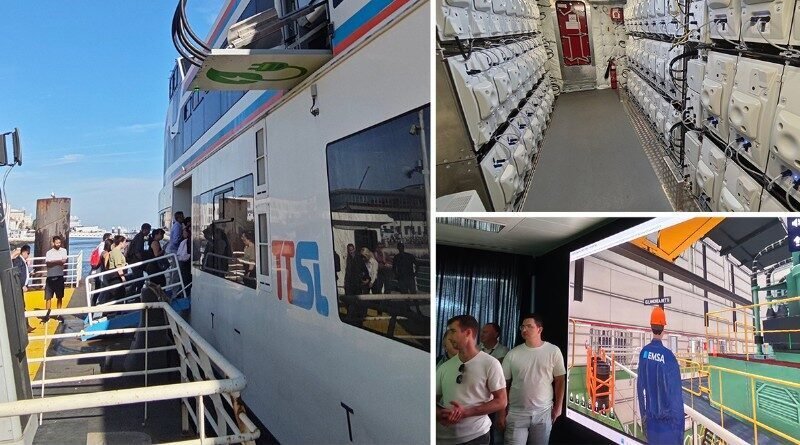
Technical visits organized by EMSA complemented the programme and provided participants with insight into practical applications of emerging technologies and innovative training tools.
The visits included a battery-powered vessel, its e-Lab and virtual reality training facilities, as well as the European Maritime Awareness Centre (EMAC).
These visits formed part of the programme’s practical component, allowing participants to gain insight into emerging technologies and new approaches to maritime training.
Maritime Training Must Keep Pace with Technology
The Lisbon event highlights the close relationship between maritime technology and seafarer competence as the industry introduces alternative fuels and new onboard systems.
The inclusion of ammonia, methanol, hydrogen, batteries and onboard carbon capture in the discussions demonstrates the breadth of technologies being considered within evolving training requirements. At the same time, the ongoing review of the STCW Convention and Code provides an important framework for examining how international standards for seafarer training, certification and watchkeeping can develop alongside technological and operational changes.
Continued cooperation between maritime regulators, shipping companies, maritime education and training institutions, international organizations and academia can support the development of training frameworks that remain relevant to changing industry requirements.
International Cooperation Supports Seafarers
The event was delivered under the IMO Integrated Technical Cooperation Programme (ITCP) and reinforced the importance of international cooperation and dialogue in supporting seafarers and maritime training institutions as the industry adopts new fuels and technologies.
The discussions in Lisbon brought together regulatory, industry, academic and training perspectives on the competence requirements associated with the maritime sector’s technological transition.
Recommended Stories:
- IMO R&D Forum Advances Global Marine Pollution Preparedness for Alternative Fuels
- IMO Joins ATLAS Initiative to Strengthen Maritime Law and Safety for Nuclear Technologies at Sea
- BMT Launches Maritime Autonomous Systems E-Learning Course as IMO MASS Code Takes Effect
- IMO Calls for Urgent Action as Piracy Resurges in Gulf of Aden