Tanker Fire off Iraq Raises Gulf Maritime Security Concerns
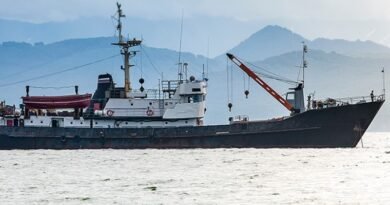
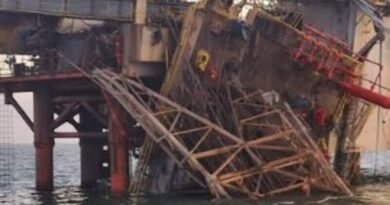
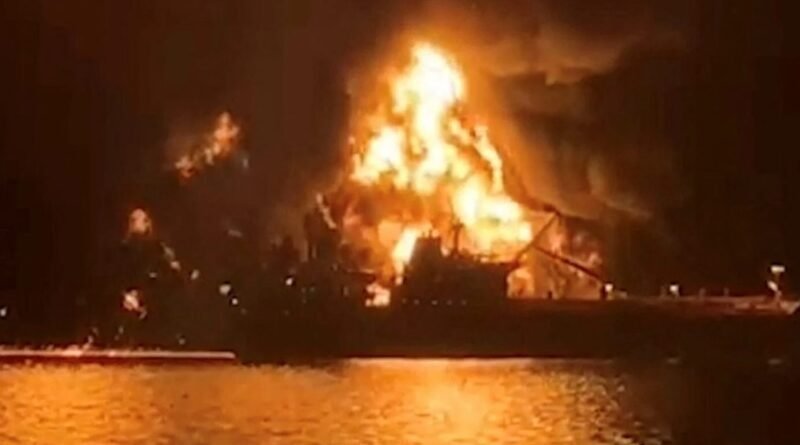
A fire has been reported aboard a vessel in the Arabian Gulf, inside Iraq’s exclusive economic zone (EEZ), raising fresh concerns over maritime security, tanker operations and global oil supply amid the ongoing U.S.-Iran war. The incident is the latest in a series of suspected attacks on commercial shipping, with potential implications for regional energy exports and international shipping costs.
The UK Maritime Trade Operations (UKMTO) said it had received multiple reports of a vessel on fire approximately 60 nautical miles southeast of Al-Faw, Iraq. The organization did not provide further details about the vessel’s condition or the cause of the fire. The incident comes amid growing concern that maritime threats are extending beyond the Strait of Hormuz, a critical corridor for global oil transportation.

Suspected Ship Attacks Point to Wider Maritime Threats
Brett Erickson, a security consultant at Obsidian Risk Advisors, said the incident marked the 10th suspected Iranian strike on a ship since the beginning of the month. He interpreted the pattern as evidence of escalating attacks against commercial shipping.
According to Erickson, suspected Iranian ship strikes in September were concentrated in and around the Strait of Hormuz. The latest reported incident near Al-Faw, hundreds of miles northwest of the strait, suggests that vessels may face risks across a wider area of the Arabian Gulf.
Erickson also noted that the reported attacks have become more severe, increasingly disabling ships rather than merely damaging them. One container ship was reportedly sunk the previous week, an uncommon outcome in a conflict characterized by substantial vessel damage but relatively few total losses.
Read:Tanker Hit by Multiple Projectiles off Qatar, Casualties Reported
Tanker Security and Oil Export Routes Under Pressure
Attacks on Iraq-linked tankers could support Iran’s objective of discouraging Gulf Cooperation Council (GCC) oil exports through the Strait of Hormuz, according to the assessment outlined in the report. The strategy comes as a U.S. military protection mission has sought to safeguard commercial shipping in and around the strategic waterway.
However, the threat may extend beyond the strait itself. Tankers operating off Iraq, Qatar, Oman and the United Arab Emirates could remain exposed to potential attacks even when they are outside the immediate area of U.S. maritime protection efforts.
This wider geographical risk complicates security planning for shipowners, tanker operators and energy exporters. It also highlights the importance of vessel monitoring, maritime risk assessments and effective security arrangements across regional shipping routes.
Rising War-Risk Insurance Costs Affect Global Shipping
The reported pattern of attacks has helped sustain elevated war-risk insurance premiums and tanker day rates, increasing the financial burden on commercial shipping operations. Higher insurance costs and vessel chartering rates can affect the economics of transporting crude oil, adding further pressure to energy markets already exposed to geopolitical uncertainty.
The report places Brent crude futures at approximately $115 per barrel, reflecting the elevated oil prices prevailing at the time of the report. It also notes that energy prices have become a significant issue ahead of a U.S. election.
For the maritime industry, persistent security threats can translate into higher operating expenses, more expensive voyages and greater uncertainty for oil traders and shipping companies. These costs may ultimately affect the wider energy supply chain, depending on the duration and severity of the disruption.
Strategic Implications for Maritime Trade
The fire reported off Iraq underscores the vulnerability of commercial shipping during regional conflict. While the cause of the incident and the vessel’s condition remain unconfirmed in the available information, the reported expansion of suspected attacks beyond the Strait of Hormuz raises broader questions about the security of Gulf energy exports.
For shipowners, insurers and energy-market participants, the central concern is whether security risks will remain concentrated around key maritime chokepoints or continue spreading across wider operating areas. Sustained uncertainty could keep insurance premiums and tanker rates elevated, while adding further volatility to global oil markets.