
Chinese Fishing Vessel Reportedly Seized by Pirates off Somalia’s Puntland Coast
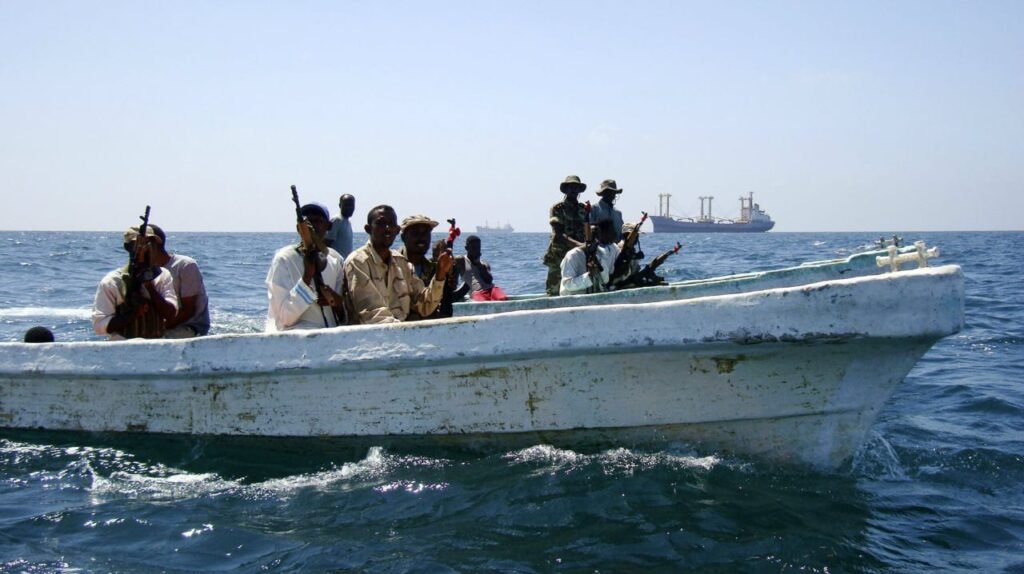
According to maritime security consultant Vanguard Tech, a Chinese fishing ship has been hijacked off a Puntland, Somalia, coast belonging to an infamous illegal-fishing fleet.
It was reported that the ship Liao Dong Yu 578 was seized at a point near the coast off Bandarbeyla, Puntland (09 09 N 050 43 E). The hijackers have hit early in the afternoon in the local time on the New Year and are believed to intend to hold the crew in ransom as reported by Vanguard. The report is not verified.
According to maritime analysts, the hijacked fishing ships in Somali waters are occasionally used by the pirate gangs as so-called mother ships to extend operations in the Indian Ocean. Chinese fishing ships, specifically, have had a long reputation of being associated with high ransom demands, and as such, were therefore targetable.
This would be the second Liao Dong Yu 578 hijacking in a matter of a little more than a year had it been proven. In November 2024, the same ship was seized at Puntland and freed in January 2025 in exchange for a ransom of around the low seven-figure range. In the previous instance, the European Union naval troops admitted the hijacking several weeks later.
The ship is registered in the Liao Dong Yu fleet that the U.S. officials have already accused of illegal, unreported, and unregulated (IUU) fishing activities within Somali waters. The U.S Department of Homeland Security claimed that the fleet is the cause of overexploitation of tuna which is an important resource to Somalia, its economy and food security.
Scientists fear that continued IUU fishing by foreign vessels is driving the tuna population in Somalia to extinction with dire repercussions on the livelihood of the locals. It is estimated that illegal fishing is worth Somalia around 300 million every year and endangers the livelihoods of up to 90,000 artisanal fishermen.
Puntland’s local authorities operate semi autonomously, and issue their own fishing licenses to Chinese operators, according to the Global Initiative Against Transnational Organized Crime. This makes it hard to enforce national fisheries laws consistently, Africa Defense Forum reports.