30-Foot Blue Whale Found Dead on Gwadar Coast
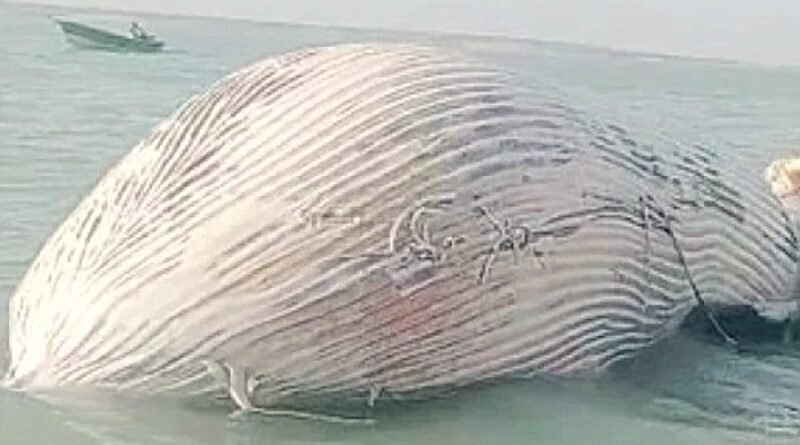
A 30-foot blue whale has been found dead near Gwadar East Bay after reportedly being sighted in local waters for two days, raising concerns about marine biodiversity and wildlife conservation along Pakistan’s coastline. WWF-Pakistan has initiated an investigation into the circumstances surrounding the death, although the actual cause remains unknown.
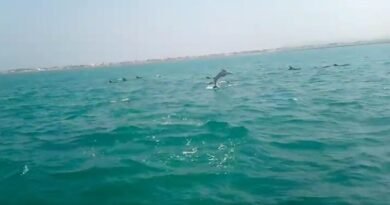
The whale was reportedly seen swimming at different locations off Gwadar before waves carried it towards East Bay. Its body was subsequently found near the shore, where relatively shallow waters may have contributed to the animal becoming stranded. The incident has renewed attention on marine mammal conservation and the challenges of monitoring large marine species in Pakistan’s coastal waters.

WWF-Pakistan Investigates Whale’s Death
According to WWF-Pakistan technical adviser M. Moazzam Khan, the death of a large whale is a worrying development for marine biodiversity. Preliminary assessments suggest that the animal may have entered shallow waters, potentially compromising its ability to navigate and causing it to lose its way towards the coast.
However, this remains a preliminary explanation rather than a confirmed finding. WWF-Pakistan has initiated further investigations to establish the circumstances surrounding the whale’s death.
Previous Whale Deaths Along Pakistan’s Coast
The latest incident follows several reports of whales being found dead along Pakistan’s coastline. In April 2019, a whale measuring approximately 34 feet was found dead on the Gwadar coast.
In May 2023, another whale, measuring around 42 feet, was discovered at Bandari Beach in Jiwani. In November of the same year, a 27-foot Bryde’s whale was found dead near Pasni. More recently, in June 2024, a whale measuring approximately 35 feet was spotted floating dead in the sea near Kantani, Gwadar.
These incidents highlight the importance of documenting marine wildlife deaths and investigating individual cases to improve understanding of the risks facing whales in the region.
Marine Conservation and the Need for Scientific Investigation
Repeated whale strandings and deaths along the Balochistan coast underline the importance of marine biodiversity monitoring, coastal conservation and scientific investigation. Establishing the causes of such incidents is essential to understanding whether individual strandings result from navigation difficulties or other factors; the available information does not establish a common cause for the cases reported along the coastline.
The outcome of WWF-Pakistan’s investigation could provide further insight into the latest incident. Continued monitoring and reliable documentation of marine mammal sightings and deaths can also contribute to a better understanding of Pakistan’s marine ecosystem and inform future conservation efforts.