Attack on Iran Raises Shipping Risks in Strait of Hormuz, Threatens Global Trade Routes
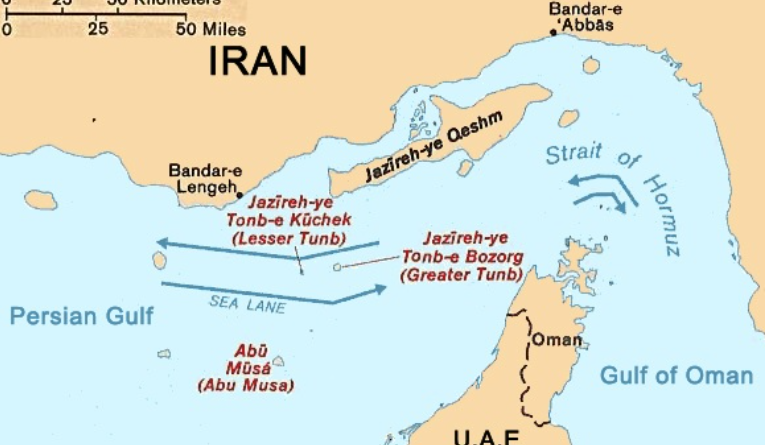
Rising tensions following air raids in Iran and the wider Middle East have created serious uncertainty for global shipping, particularly along the strategic Strait of Hormuz and the Persian Gulf. The situation poses growing risks to international trade, especially the transport of oil and essential goods.
The Strait of Hormuz is one of the world’s most critical maritime chokepoints, linking the Persian Gulf to global markets. A significant portion of global oil shipments and other commodities pass through this narrow waterway. Any disruption could have far-reaching consequences for energy supplies and international supply chains. If transit becomes impossible, vessels would be forced to take considerably longer alternative routes, increasing costs and delivery times.
The United States government has urged commercial vessels to avoid the Persian Gulf due to what it described as “significant military activity” in the region. The advisory followed recent attacks carried out by the United States and Israel on Iran, escalating concerns about maritime security.
In response to the heightened risk environment, insurers have informed ship owners that coverage for vessels transiting the Persian Gulf and the Strait of Hormuz may be cancelled or subject to sharply increased premiums. The move reflects growing concerns within the maritime insurance sector about potential disruptions or direct threats to shipping.
On average, between fifteen and twenty ships sailing under the Belgian flag operate in the Persian Gulf. For security reasons, Belgian ship owners have declined to disclose how many of their vessels are currently present in the region.
With geopolitical tensions intensifying, the stability of one of the world’s most vital maritime corridors remains uncertain, placing additional pressure on global trade and energy markets.