Author: Maritime Current News

Maritime Safety , Security and Technology

Pakistan-China Naval Exercise SEA GUARDIAN 2026 Boosts Maritime Security, CPEC Strategy and Indo-Pacific Defense Cooperation

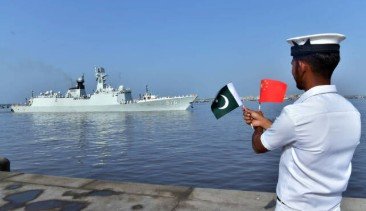
Pakistan and China have launched a high-profile bilateral naval exercise in Karachi, reinforcing growing defense ties and maritime security cooperation in the strategically vital Arabian Sea shipping corridor. The joint drill, named SEA GUARDIAN, began as a Chinese warship arrived at Karachi port under a ceremonial escort by the Pakistan Navy, marking another milestone in expanding Pakistan-China military collaboration, naval interoperability, and Indo-Pacific maritime security strategy.

Read More
Maritime Safety , Security and Technology

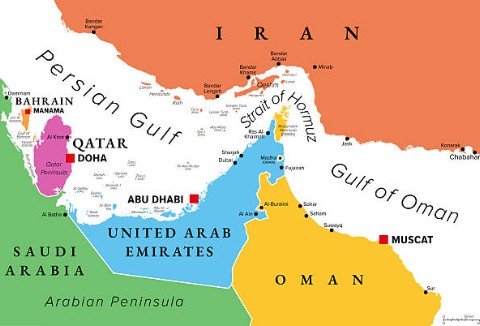
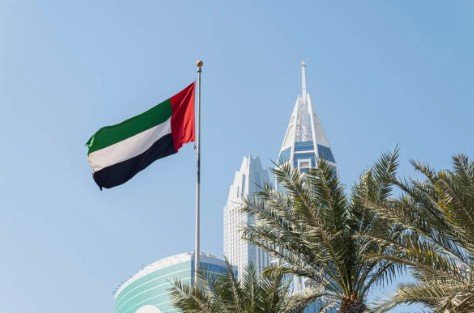
UAE Signals Support for Multinational Naval Coalition to Secure Strait of Hormuz and Protect Global Energy Supply

The United Arab Emirates has indicated readiness to join a multinational maritime security force aimed at reopening the Strait of Hormuz, a critical global energy corridor currently facing severe disruption.
According to reports, the UAE has engaged with the United States and key Western allies to support the creation of a joint naval coalition designed to safeguard international shipping lanes, ensure maritime security, and stabilize global oil and LNG supply chains. The proposed initiative, informally referred to as a “Hormuz Security Force,” would focus on escorting commercial vessels and deterring threats in one of the world’s most strategically important chokepoints.

Read More
Maritime Trade & Economy

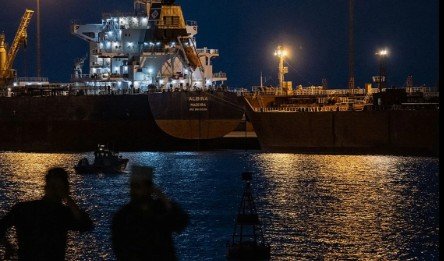
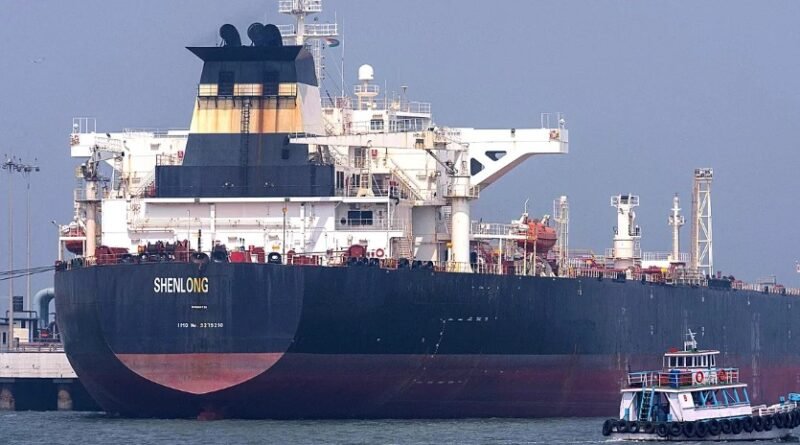
Strait of Hormuz Shipping Crisis: Tankers Seek Iranian Clearance as War Risk Insurance Costs Surge and Maritime Trade Faces Disruption

Rising geopolitical tensions in the Strait of Hormuz are reshaping global shipping routes, as vessels increasingly require coordination with Iran authorities to safely transit one of the world’s most critical oil corridors.
Shipowners navigating the vital oil trade route are facing unprecedented challenges, including surging war risk insurance premiums, heightened maritime security threats, and stricter transit controls. The evolving situation is forcing global shipping companies to reassess voyage planning, operational costs, and crew safety.

Read More
Maritime Safety , Security and Technology

Saudi Arabia Boosts Maritime Security, Seafarer Protection and Global Trade Stability amid Strait of Hormuz Tensions

Saudi Arabia has reaffirmed its strong commitment to maritime safety, seafarer protection, and global shipping security during the 50th session of the International Maritime Organization Facilitation Committee.
The Kingdom emphasized the urgent need to safeguard international shipping routes and maritime navigation, particularly amid rising threats in the Strait of Hormuz and surrounding regions.

Read More
Maritime Safety , Security and Technology

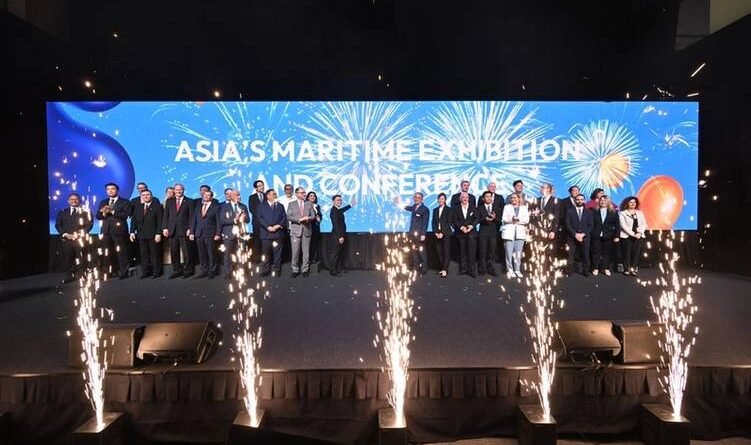
Asia Pacific Maritime 2026 Showcases $Billion Maritime Technology, Hybrid Vessels & Offshore Wind Growth

Singapore: Asia Pacific Maritime (APM) 2026 opened with a record-breaking turnout, positioning itself as a leading global maritime technology and shipping industry event driving innovation in hybrid vessels, offshore wind support ships, and sustainable marine solutions.

Held at Marina Bay Sands, the 19th edition features 819 exhibitors and 20 international pavilions, spanning six exhibition halls. The event highlights fast-growing sectors such as marine engineering, shipbuilding technology, alternative fuels, and digital transformation in shipping, key areas attracting high-value global investment and advertising spend.

Read More
Editorial

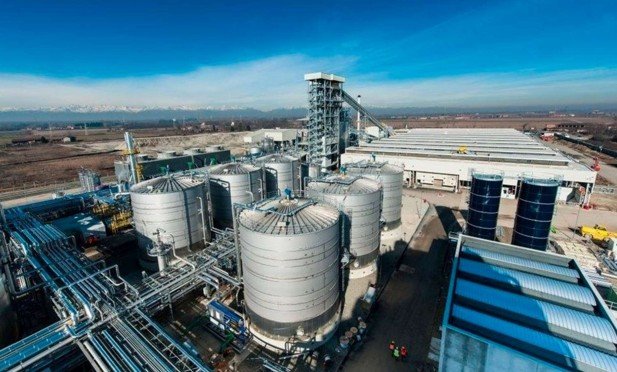
Op-Ed: Methanol, Ethanol, and Biofuels: Steering the Maritime Industry toward Energy Resilience

The maritime sector is at the crossroad of energy in a world that is becoming increasingly unpredictable geopolitically and whose global supply chains are becoming increasingly fragile. The reliance on traditional petroleum fuels which are the hitherto undisputed back bone of international trade and shipping is increasingly becoming susceptible. With the tension on strategic waterways like Strait of Hormuz and the Suez Canal intensifying, the need to have stronger fuel strategies is no longer an optional measure but a strategic necessity of maritime trade. The core of change is biofuels, such as methanol, ethanol and future generation fuels based on biomass, which promise to bring a greater level of energy security and mitigate environmental impact.

Read More
Ports and Shipping

Africa Pushes Green Ports, Maritime Finance & Decarbonization Strategy at High-Level ECOWAS Summit in Abuja

Africa’s maritime sector has taken a decisive step toward green shipping, port sustainability, and climate-aligned maritime finance as the Economic Community of West African States (ECOWAS) hosts a landmark continental workshop focused on green ports guidelines, greenhouse gas (GHG) reduction, and maritime transport reform.
Jointly organized by the African Union Commission and ECOWAS, with technical backing from Deutsche Gesellschaft für Internationale Zusammenarbeit, the event brings together top policymakers, port authorities, and maritime stakeholders to accelerate decarbonization, shipping insurance readiness, and supply chain resilience across Africa.

Read More
Maritime Safety , Security and Technology

Iran Signals Conditional Strait of Hormuz Transit as Global Oil Shipping Faces Disruption

In a development with major implications for global oil markets, LNG shipping, and maritime security, Iran has informed the United Nations Security Council and the International Maritime Organization that “non-hostile vessels” may continue to transit the strategically vital Strait of Hormuz, provided they coordinate with Iranian authorities.
According to a diplomatic note sent by Iran’s Ministry of Foreign Affairs and circulated among IMO member states, vessels that do not participate in or support actions against Iran, and that comply with declared maritime safety and security protocols, will be allowed safe passage through one of the world’s most critical oil shipping lanes.

Read More
Ports and Shipping

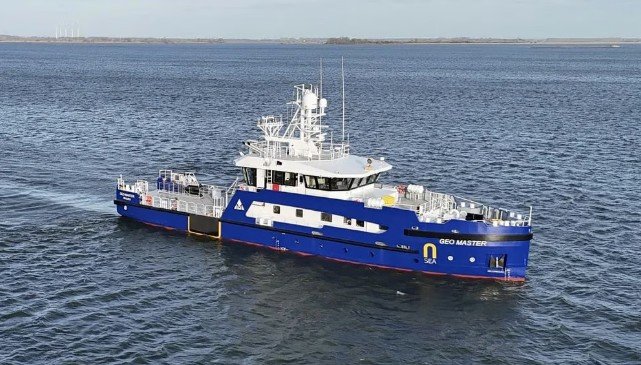
Global Shipbuilding Boom 2026: Advanced Research Vessels, Survey Ships & Maritime Training Fleet Expand Across US, Europe, and Asia

The global maritime and shipbuilding industry continues to accelerate in 2026, with multiple high-tech research vessels, offshore survey ships, and specialized workboats being delivered across key regions including Europe, the United States, and Asia. These developments highlight growing investments in ocean research, subsea engineering, and maritime training infrastructure.

Read More
Maritime Trade & Economy

Berkshire Hathaway Invests $1.8 Billion in Tokio Marine, Expanding Japan Insurance Market Presence

Berkshire Hathaway is set to invest ¥287.4 billion ($1.8 billion) in Tokio Marine Holdings, signaling a major push by the U.S. conglomerate into the Japanese insurance sector. The investment will be executed through National Indemnity Company, a Berkshire subsidiary, acquiring a 2.49% strategic stake in Tokio Marine. The two firms plan to collaborate on reinsurance deals, global investments, and mergers and acquisitions, strengthening Berkshire’s footprint in Japan.

Read More
Maritime Trade & Economy

Iran Imposes Informal Strait of Hormuz Transit Fees on Commercial Shipping amid Middle East Tensions

Iran has begun charging select commercial vessels for safe passage through the strategic Strait of Hormuz, highlighting Tehran’s growing control over one of the world’s most critical maritime energy corridors.
Reports indicate that some ships are being asked to pay up to US$2 million per voyage, effectively creating an informal toll on this vital oil and gas shipping lane. The payments appear to be ad hoc, with details on currency and process remaining unclear. Observers say only a few vessels have complied, and the system lacks formal regulation.

Read More
Maritime Safety , Security and Technology

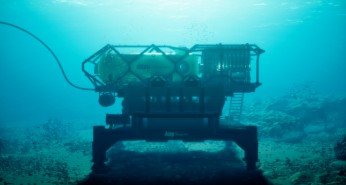
Subsea Habitat Deployment 2026: DEEP Selects Tennessee Reef for Vanguard Project in Florida Keys

In a major development for marine technology and offshore engineering, U.K.-based ocean engineering firm DEEP has selected Tennessee Reef as the official deployment site for its Vanguard subsea human habitat, marking a historic return of underwater living systems in U.S. waters after more than four decades.
The project, located within the Florida Keys National Marine Sanctuary, is scheduled for installation in late April 2026, following final regulatory approvals granted in March 2026. The deployment will involve a complex, multi-phase marine operation, including installation of a subsea foundation and advanced surface support infrastructure.

Read More
Maritime Safety , Security and Technology

Eco Wave Power Secures Key Taiwan Port Lease, Boosting Wave Energy Investment in Asia-Pacific Maritime Sector

Eco Wave Power Global AB (NASDAQ: WAVE), a leading innovator in wave energy technology and offshore renewable power solutions, has reached a major milestone in its clean energy expansion strategy after securing a land use agreement for its wave energy project at Suao Port.
The company confirmed that its Taiwanese partner, I-Ke International Ocean Energy Co., signed a five-year land lease agreement with the port authority in December 2025, including an option for extension. This agreement enables the next phase of development for what is expected to become a flagship marine renewable energy project in Asia-Pacific.

Read More
Maritime Trade & Economy

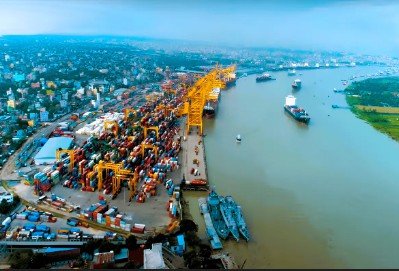
Chattogram Port Fuel Operations Stay Strong amid Middle East Tensions, 25 Tankers Discharged in March

Despite escalating geopolitical risks linked to tensions involving the United States, Israel, and Iran, fuel supply chain operations at Chattogram Port remain stable, highlighting resilience in global maritime logistics and energy trade flows.

Between March 1 and March 22, a total of 25 fuel tankers successfully completed discharge operations, ensuring uninterrupted fuel imports and strengthening regional energy security. The continued throughput reflects strong port efficiency and operational continuity despite global shipping uncertainties and oil market volatility.

Read More