Author: Maritime Current News

Maritime Safety , Security and Technology

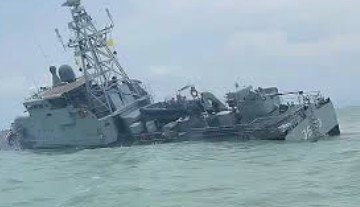
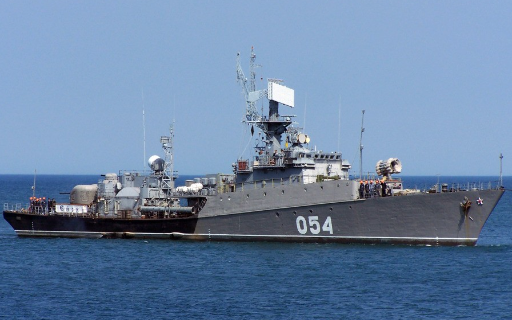
Ukrainian Strike on Novorossiysk Damages Russian Warships and Oil Terminal, Escalating Black Sea Maritime Security Risks

A recent Ukrainian strike on the Russian port city of Novorossiysk has reportedly damaged both a major oil loading terminal and several vessels belonging to the Russian Navy’s Black Sea Fleet, according to Ukrainian sources, highlighting growing maritime security risks in the Black Sea shipping corridor.

Read More
Ports and Shipping

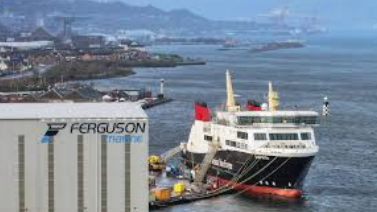
Scottish Government Plans Four-Ship Construction Contracts to Support Ferguson Marine Shipyard

The Scottish Government is moving forward with a plan to award four shipbuilding contracts to Ferguson Marine, aiming to support the financially troubled shipyard and secure the future of shipbuilding operations in Glasgow.

The shipyard entered administration before being taken over by the Scottish Government in 2019 in an effort to protect jobs and preserve the country’s historic maritime manufacturing sector. The proposed contracts are viewed as a key step toward stabilizing the yard’s operations and eventually transitioning the shipbuilder back to private ownership.

Read More
Ports and Shipping

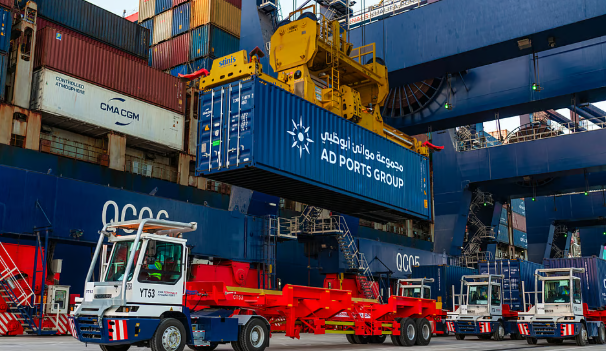
AD Ports Group Expects Cargo Volume Growth as Global Shipping Routes Shift Away from Strait of Hormuz

Global shipping routes are undergoing significant adjustments as geopolitical tensions and maritime security concerns influence vessel movements across key trade corridors. In response to these developments, AD Ports Group expects an increase in cargo volumes across its international maritime and logistics network as shipping companies reroute vessels away from traditional Gulf shipping lanes.

Read More
Maritime Safety , Security and Technology

US Submarine Sinks Iranian Warship off Sri Lanka, Dozens Rescued

A United States submarine has reportedly sunk an Iranian frigate off the coast of Sri Lanka, resulting in multiple casualties and prompting a large-scale search and rescue operation. According to US Defense Secretary Pete Hegseth, the strike, carried out with a torpedo in international waters, marks the “first such attack on an enemy since World War II.”

Read More
Maritime Environment Policy and Law

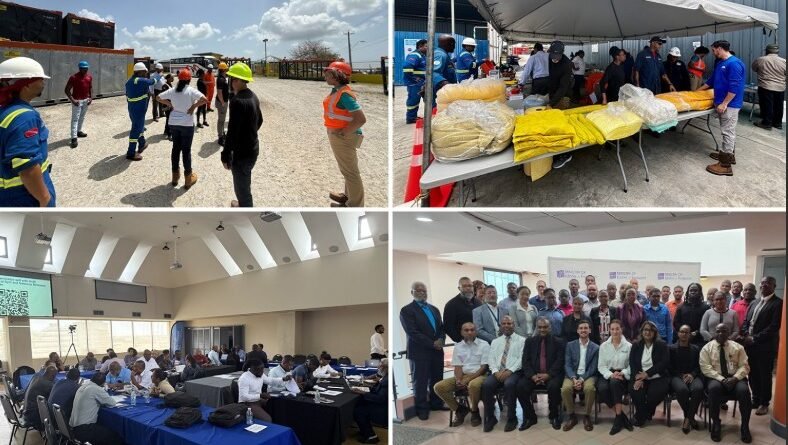
Trinidad and Tobago Strengthens Marine Spill Response for Hazardous and Noxious Substances

Trinidad and Tobago has enhanced its national preparedness for hazardous and noxious substance (HNS) marine spills following a three-day national workshop held in Port of Spain from 23–25 February 2026. The initiative focused on building technical expertise, improving coordination, and sharing best practices for effective management of marine pollution incidents.

Read More
Maritime Environment Policy and Law

New Emission Control Areas Introduced in Canadian Arctic and Norwegian Sea to Reduce Shipping Pollution

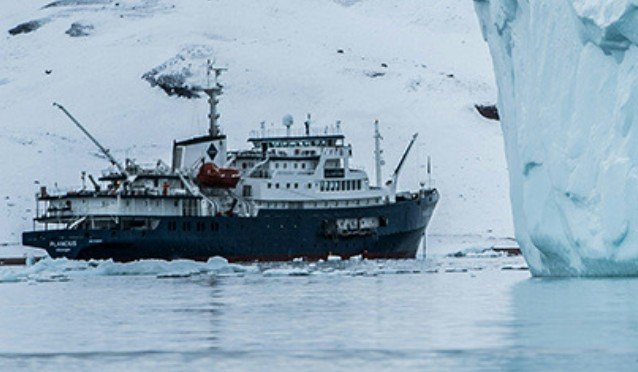
As of 1 March 2026, the Canadian Arctic and the Norwegian Sea officially became Emission Control Areas (ECAs) under MARPOL Annex VI, introducing stricter limits on sulphur oxide (SOx), nitrogen oxide (NOx), and particulate matter (PM) emissions from ships. These new regulations aim to significantly reduce air pollution from maritime traffic in sensitive Arctic and Northern European waters.

Read More
Ports and Shipping

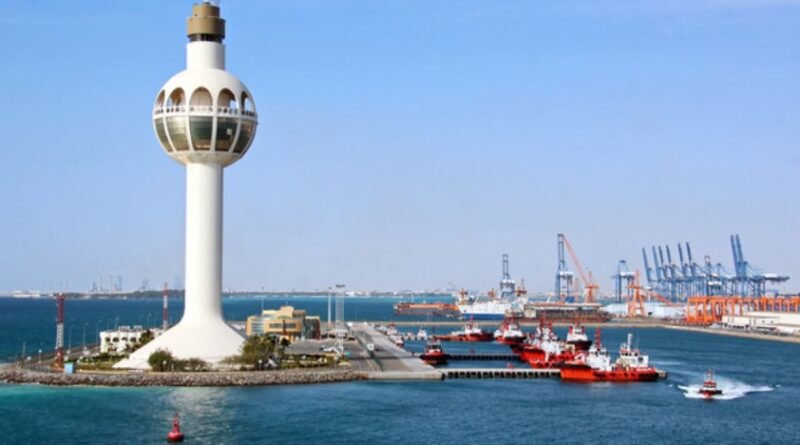
Saudi Arabia Prepared for Shipping Route Shift to Jeddah Islamic Port amid Strait of Hormuz Tensions

Saudi Arabia has the full operational capacity to absorb any sudden surge in cargo volumes if Gulf shipping routes are redirected to the Kingdom’s western ports, particularly Jeddah Islamic Port, as a strategic alternative to the Strait of Hormuz amid ongoing US-Israeli strikes on Iran, according to industry experts speaking to Al-Eqtisadiah.
With geopolitical tensions impacting maritime trade flows in the Gulf, logistics and supply chain specialists say Saudi Arabia’s advanced port infrastructure, integrated transport network, and digital logistics systems position the Kingdom as a strong regional hub capable of handling rerouted cargo.

Read More
Ports and Shipping

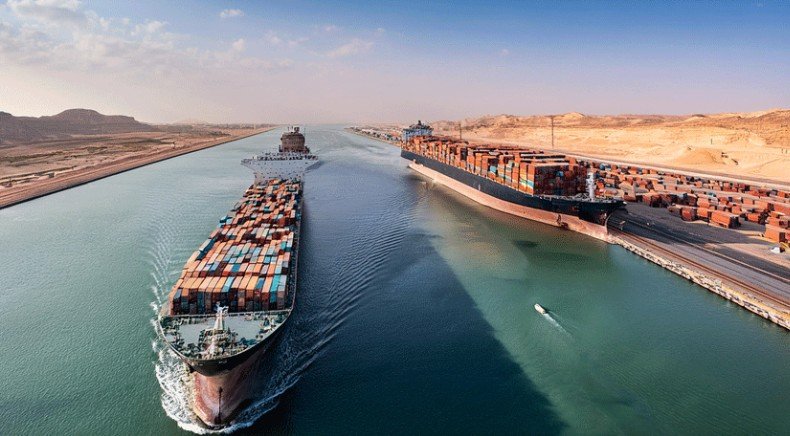
Suez Canal Traffic Flowing Normally as Shipping Contract Talks Begin despite Iran War and Carrier Suspensions

Vessel traffic through the Suez Canal is continuing without disruption despite the widening Iran war and the withdrawal of some major container shipping lines from the key Middle East trade corridor.
Osama Rabie, Chairman of the Suez Canal Authority (SCA), confirmed Tuesday that “traffic through the Canal is flowing normally in both directions,” underscoring that navigational services are operating around the clock.

Read More
Maritime Safety , Security and Technology

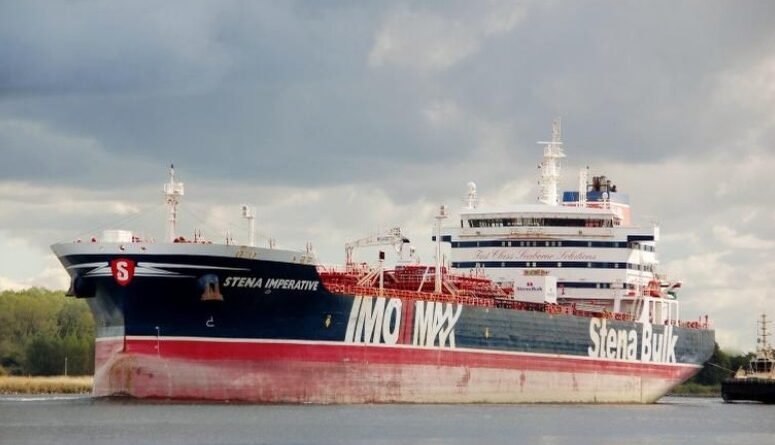
U.S.-Flagged Stena Imperative Tanker Hit by Iranian Missiles during Bahrain Attack

A U.S.-flagged tanker participating in a U.S. military fuel supply program was struck by Iranian missiles early Monday, March 2, during renewed regional hostilities centered around the Persian Gulf and the Strait of Hormuz.
The tanker, Stena Imperative (49,800 dwt), sustained damage while docked in Bahrain. The vessel’s crew was safely evacuated, but reports indicate that one shipyard worker was killed and two others were seriously injured in the attack.

Read More
Ports and Shipping

Port of Churchill and Antwerp-Bruges Sign Strategic Agreement to Strengthen North Atlantic Trade Corridor

The Port of Churchill and Port of Antwerp-Bruges International have signed a landmark agreement to enhance trade, investment, and collaboration between Western Canada and Europe, creating a stronger North Atlantic trade corridor.
The partnership aims to facilitate the exchange of critical minerals, energy products, fertilizer feedstock, containers, and agricultural commodities, while opening channels for European investment, equipment, and manufactured goods to flow back into Churchill.

Read More
Maritime Environment Policy and Law

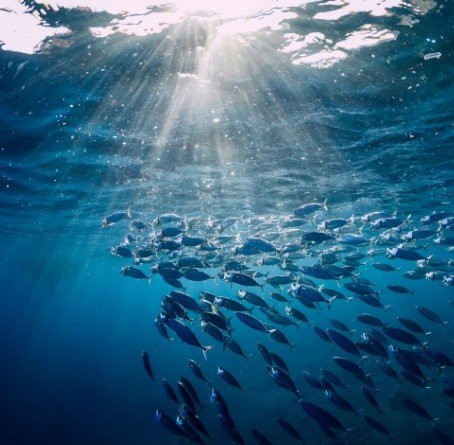
Ocean Warming Linked to Nearly 20% Annual Fish Biomass Decline, Global Study Finds

Chronic ocean warming is driving a sustained annual decline of nearly 20% in fish biomass across major marine regions, according to new research published in Nature Ecology & Evolution.

The study, conducted by scientists from the Museo Nacional de Ciencias Naturales (MNCN-CSIC) and the National University of Colombia, analyzed 702,037 biomass change estimates from 33,990 fish populations recorded between 1993 and 2021 across the Northern Hemisphere.

Read More
Editorial

Op-Ed: Sanctioned Vessels and International Maritime Law; Compliance, Conflict, and the Future of Sea Trade

The legal and economic consequences of authorized vessels can be seen as one of the most far-reaching maritime events of the 21st century, as in the world of global commerce, approximately 80% of all trade is shipped by sea. Whether it is the shadow fleets which are running in disobedience of world sanctions or the action taken by states which are enforcing the international norms, the problem is much deeper than what is on the headlines. It compels a profound scrutiny of the intersection of international maritime law with geopolitics, economic sanctions and strategic sea lanes.

Read More
Maritime Environment Policy and Law

MarinePALS CEO Presses for Practical Safe Manning Reform as IMO Reopens Seafarer Fatigue Discussions

As the International Maritime Organization prepares to reopen discussions on seafarer fatigue and hours of work at the 12th session of its Sub-Committee on Human Element, Training and Watchkeeping (HTW 12), MarinePALS CEO Captain Pradeep Chawla has called for a realistic reassessment of global manning scales, warning that growing workloads and stricter compliance demands are not being matched by adequate crew numbers.

Read More