Bio-LNG and Biomethane: Driving Maritime Decarbonisation under EU Regulations
The International Maritime Organisation’s (IMO) Net Zero Framework (NZF) adjournment has increased the relative importance of European Union regulations, including FuelEU Maritime and the EU Emissions Trading Scheme (ETS). Shipowners with liquefied natural gas (LNG) engines are financially incentivized under these rules to transition to Bio-LNG, also known as biomethane, to meet decarbonisation targets. FuelEU Maritime strongly favors Bio-LNG because of its low to negative life cycle greenhouse gas (GHG) emissions and compatibility with existing LNG engines, offering a seamless pathway for operators to reduce emissions without extensive retrofitting.
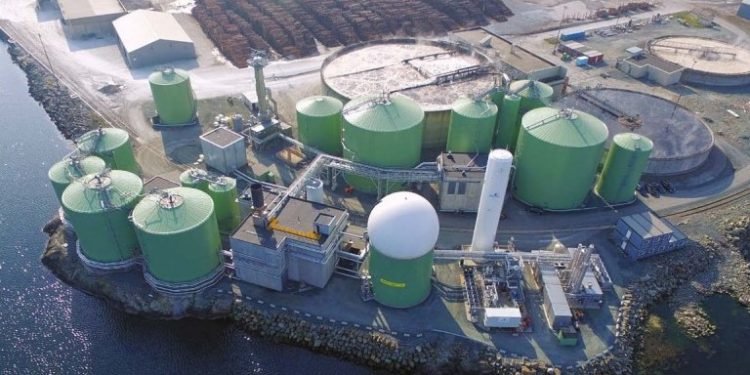
Bio-LNG can be stored, transferred, and bunkered using existing LNG infrastructure. It is stored in cryogenic tanks at –162°C and can be delivered via ship-to-ship transfer, truck-to-ship, or terminal-based refueling. Production and liquefaction can occur onshore or through integration with LNG terminals. Onshore liquefaction involves purifying biomethane to remove components that could freeze or corrode equipment, then cooling the gas to –162°C to produce Bio-LNG. When integrated with LNG terminals, shipowners can use a “mass balance” approach, ensuring the amount of Bio-LNG delivered does not exceed the biomethane produced, even when physically mixed with fossil LNG. This method provides credibility, regulatory compliance, and market functionality while leveraging existing tanks, trucks, and terminals for lower costs and scalable operations.
Dual fuel engines on vessels can burn LNG, Bio-LNG, diesel, or biofuels, providing operational flexibility when suitable infrastructure is unavailable at ports. This de-risking approach ensures smooth adoption of renewable fuels and maximizes the use of existing LNG hubs. Waste-derived biomethane offers the greatest environmental benefits, while crop-based biomethane also provides emissions reductions under sustainability restrictions outlined in the EU RED II directive, which prevents competition with food production or land use.
Under EU regulatory frameworks, including FuelEU Maritime and EU ETS, Bio-LNG is classified as a renewable or low-carbon fuel. Operators can reduce penalties and even generate financial gains by selling surplus compliance credits to other operators using higher-carbon fossil fuels. This offers immediate emissions reduction, operational feasibility, and compliance advantages, making Bio-LNG a highly attractive short-term solution for maritime decarbonisation.
Challenges remain, including ensuring sustainable biomethane supply, controlling methane slip, and maintaining certification integrity. However, industry innovations are steadily addressing these issues. Engine manufacturers are reducing methane slip, infrastructure expansion is underway, and certification processes are evolving to support sustainable fuel adoption while offering financial rewards.
Bio-LNG and biomethane represent a practical, near-term solution for shipping operators seeking to reduce emissions, comply with EU regulations, and transition toward sustainable maritime operations. The integration of renewable fuels with existing LNG technology allows the industry to achieve decarbonisation goals efficiently while leveraging current infrastructure and minimizing operational disruption.
Related:
- Canada and Australia LNG Cargoes Rerouted to Atlantic After Arctic Storm Disrupts U.S. Supply
- LNG Bunkering Suspended after Container Collapse at Port of Rotterdam
- Stolt-Nielsen Considers Sale of Up to 50% Stake in Avenir LNG
- Galveston LNG Bunker Port and TOTE to Build US-Flag LNG Bunker Fleet for the Gulf Coast