Canada and Australia LNG Cargoes Rerouted to Atlantic After Arctic Storm Disrupts U.S. Supply
In a rare shift in global liquefied natural gas (LNG) trade, at least three LNG cargoes from Australia and Canada are now heading toward Europe and the Americas instead of their usual Asian markets. The move comes after an Arctic storm in the U.S. disrupted gas production and limited LNG exports from Gulf Coast terminals, according to ship tracking data.
The unexpected diversion could tighten LNG supply in Asia, potentially pushing spot prices higher. Colder-than-usual weather across the Northern Hemisphere last week, combined with the U.S. Arctic storm, reduced gas output and boosted global LNG demand, impacting pricing.
“Pacific cargoes may be drawn into the Atlantic to help backfill for lost U.S. production,” noted Alex Froley, senior LNG analyst at energy consultancy ICIS. He added that reduced feed gas flows to U.S. liquefaction plants this week could result in the loss of 10-20 cargoes. The U.S. currently supplies over half of Europe’s LNG imports, Kpler data indicates.
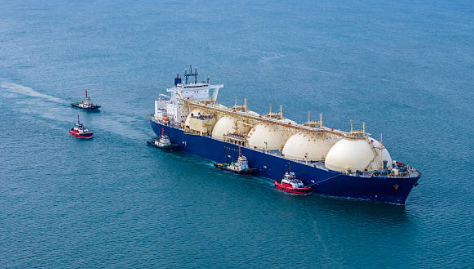
From Australia, the tanker Methane Julia Louise loaded a cargo at Gorgon LNG on January 23 and is now westbound across the Indian Ocean, with an expected arrival at Dunkirk, France, on February 19, LSEG data shows. Australia last sent LNG to Europe in February 2025.
Meanwhile, the tanker Maran Gas Hector, which departed from Queensland Curtis LNG (QCLNG) around January 21-22, is heading east toward the Americas, according to Kpler and LSEG tracking.
From Canada, the tanker Qingcheng, originally bound for Asia after departing western Canada on January 20, altered its course on January 26 to head toward the Americas. Analyst Froley suggests it could be making its way to Europe via the Panama Canal. LNG Canada, which shipped its first cargo in July, has previously focused on east Asian markets.
LNG pricing reflects the disruption, with Asian futures (S&P Global Energy Platts Japan-Korea Marker, JKM) at $11.465 per million British thermal units (mmBtu) on Thursday. European benchmark prices also surged, with the Dutch TTF hub front-month contract closing at 39.97 euros per megawatt hour ($14.02 per mmBtu).
This unusual Atlantic rerouting highlights how extreme weather events and supply disruptions can reshape global LNG trade patterns, affecting both regional supply and market pricing.