
Editorial

Editorial

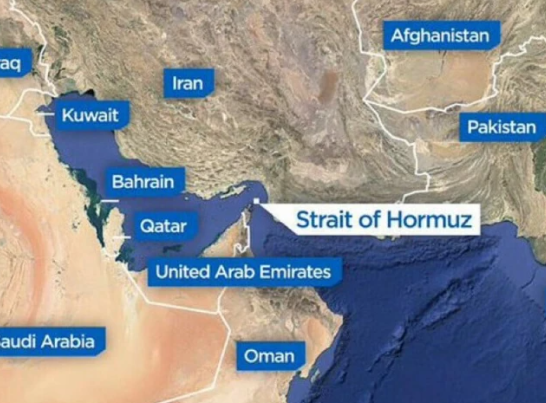
Op-Ed: CIPS, Shipping Routes, and the Structural Evolution of Global Trade Finance

Global trade is rarely shaped by rhetoric. It is shaped by tonnage, freight rates, port throughput, invoices, and settlement cycles. Long before political narratives emerge, commercial logic quietly determines outcomes. Financial infrastructure, contrary to popular belief, has almost never led trade; it has consistently followed it. From the gold standard to Bretton Woods, and later the rise of a US-dollar-centric settlement architecture, payment systems evolved in response to where goods flowed and how frequently ships sailed, not the other way around. China’s Cross-border Interbank Payment System (CIPS) should be understood within this historical continuum. It is less a geopolitical declaration than a commercial response to a changing geography of trade. As the Bank for International Settlements has repeatedly observed, payment systems tend to adapt to trade patterns rather than redirect them (BIS, 2022).

Read More
Editorial

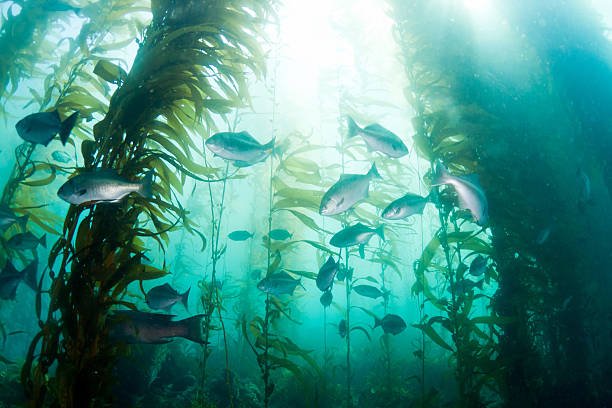
Op-Ed: Seaweeds– A Billion-Dollar Resource Lying along the Coast

Pakistan is a maritime nation by geography, yet much of its marine wealth remains unexplored and undervalued. The coast of Pakistan is over 1000 km long, which consist of Sindh and Makran coast includes a number of beaches, various islands and mangrove swamps. The coastal belt around Buleji, Hawks bay, Manora, Sandspit, Paradise Point, Nathia Gali, Pacha and Cape Monze have various species of seaweeds. Among the most neglected of these are seaweeds.

Read More
Editorial

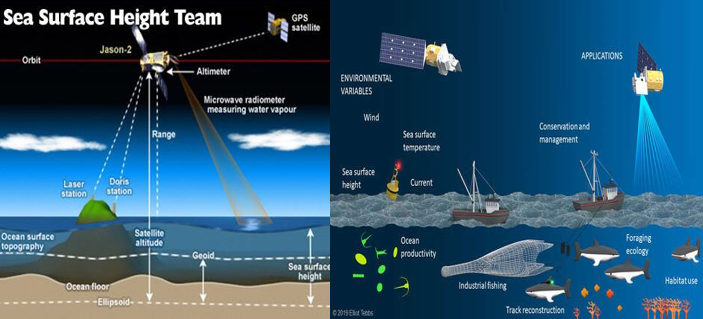
The Rising Tide of Technology: Remote Sensing is transforming the Future of Fisheries

A fisherman rely on traditions passed down through generations, lunar cycles, shifting winds, and the hue of the water. Ocean rhythms were discovered via experience and read like a book for generations. But today, a revolution is sweeping across the world’s fisheries, quietly, steadily, from 700 km above our heads, as satellites high in space continuously monitor our oceans and guide modern fisheries with data that once seemed impossible to obtain.

Read More
Editorial

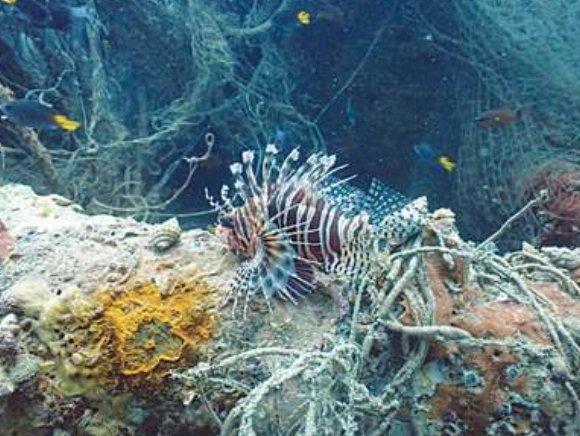
Unregulated Recreational Fishing is Fueling a Massacre of Our Marine Resources

Recreational or sport fishing is considered important for health, conservation efforts, community building, and economic benefits through tourism, promoting a vital connection to nature while fostering stewardship, supporting fisheries management, and providing relaxation and social interaction. In Pakistan, sport fishing in the inland water bodies and coastal waters is also considered important, as it is mainly aimed at relaxation and for the provision of high-quality and protein-rich food. In the inland waters, the recreational fisheries are undertaken along large rivers, canals, lakes, reservoirs, and other water bodies. In some cases, sport fishing in freshwater bodies is associated with commercial fishing, which is mutually beneficial for the professional fishermen and those who engage in this activity for recreation. In most cases, sport fishing is undertaken in small scale and does not result in mass-scale killing of the fisheries resources and damage to the ecosystem.

Read More