Maritime Environment Policy and Law

This category focuses on policies, legal frameworks, and regulatory developments aimed at protecting the marine environment and promoting sustainable maritime activities. It covers national and international maritime environmental laws, IMO conventions, marine pollution prevention, climate change regulations, carbon reduction strategies, and compliance with environmental standards in shipping and port operations.

The section also features analysis of environmental governance, ocean protection policies, maritime environmental impact assessments, coastal and marine resource management laws, and legal responses to emerging challenges such as low-carbon fuels, biodiversity conservation, and ocean pollution. It serves as an essential resource for policymakers, legal professionals, researchers, and maritime stakeholders engaged in advancing environmentally responsible and legally compliant maritime practices.

Maritime Environment Policy and Law

Saudi Arabia Introduces First-Ever Rules for Beach Operators on Red Sea Coast

RIYADH, Saudi Arabia is taking a major step to boost Red Sea tourism with it’s set of regulations for beach operators. The Saudi Red Sea Authority has issued the new rules which stipulate licensing standards, safety standards, public health standards, environmental protection standards, and infrastructure standards as the Kingdom shifts to commercialization of its pristine coastline.

Read More
Maritime Environment Policy and Law

Marine Biofuels Technical Seminar will Highlight Low-GHG Global Shipping Pathways

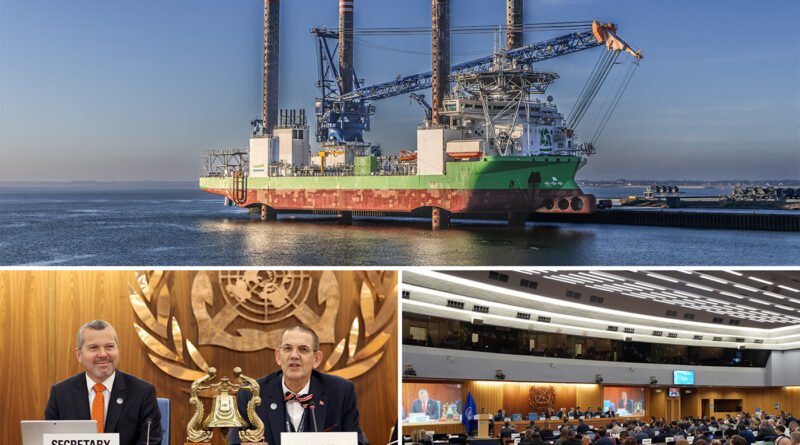
Marine biofuels are now being established as a bridge fuel through the maritime energy transition, which reduces short-term emissions but provides long-term zero-carbon solutions as they evolve. Against this backdrop, a high-level Technical Seminar on Marine Biofuels will bring together policymakers, industry experts, and researchers on 12 February 2026 at the International Maritime Organization (IMO) Headquarters in London. The seminar is to be organized under the Future Fuels and Technology (FFT) Project of IMO, which has been seeing increased traction on biofuels as a promising low-greenhouse-gas (GHG) alternative to international shipping.

Read More