Maritime Trade & Economy

Maritime Trade & Economy focuses on global shipping, seaborne commerce, and the economic dynamics shaping international trade. This category covers developments in maritime logistics, shipping markets, freight trends, port competitiveness, blue economy initiatives, and the economic impact of maritime policies and technologies. It provides insights into how oceans, ports, and shipping networks drive global trade, regional growth, and sustainable economic development.

Maritime Trade & Economy

International Seminar Highlights Biofuels’ Role in Maritime Decarbonization

An international seminar organized by the IMO Future Fuels and Technology Project explored the latest developments in biofuels for the maritime sector, addressing both opportunities and challenges in using plant-based, waste oil, or agricultural residue fuels to reduce greenhouse gas (GHG) emissions from shipping. The seminar, held at IMO headquarters in London on 12 February, aimed to provide information and insights to policymakers and industry stakeholders on alternative fuels and emerging technologies, without engaging in formal policy negotiations.

Read More
Maritime Trade & Economy

Bio-LNG and Biomethane: Driving Maritime Decarbonisation under EU Regulations

The International Maritime Organisation’s (IMO) Net Zero Framework (NZF) adjournment has increased the relative importance of European Union regulations, including FuelEU Maritime and the EU Emissions Trading Scheme (ETS). Shipowners with liquefied natural gas (LNG) engines are financially incentivized under these rules to transition to Bio-LNG, also known as biomethane, to meet decarbonisation targets. FuelEU Maritime strongly favors Bio-LNG because of its low to negative life cycle greenhouse gas (GHG) emissions and compatibility with existing LNG engines, offering a seamless pathway for operators to reduce emissions without extensive retrofitting.

Read More
Maritime Trade & Economy

IMO Net Zero Framework Sparks Debate Over Trade Costs in Africa

African maritime and trade officials are weighing the economic costs and strategic opportunities of proposed global shipping decarbonisation reforms under the International Maritime Organisation (IMO) Net Zero Framework (NZF), as concerns grow over potential impacts on freight rates, port competitiveness and trade flows across the continent. The debate took center stage on February 12, 2026, during the Regional African Port States Meeting on the IMO NZF held in Mombasa and convened by the Association of African Maritime Administrations (AAMA).

Read More
Maritime Trade & Economy

Bangladesh, Maldives Explore Direct Shipping Links and Halal Food Trade Partnership

Bangladesh and the Maldives have reiterated their commitment to expanding bilateral cooperation, with renewed focus on establishing direct shipping links and enhancing collaboration in the halal food sector to support trade growth, transport efficiency and resilient supply chains. The discussions underscored shared ambitions to deepen economic ties and improve connectivity between the two countries.

Read More
Maritime Trade & Economy

Brazil Rejects U.S. Mineral Security Pact to Boost Domestic High-Tech Industry

Brazil has officially declined to join the U.S.-led Mineral Security Partnership, a strategic initiative from the Donald Trump administration designed to secure a steady supply of lithium, niobium, and rare earth elements for American industries. The Brazilian Ministry of Foreign Affairs, Itamaraty, stated that the proposed pact treated Brazil merely as a supplier of raw materials rather than a technological partner, prompting the country to prioritize domestic industrial development.

Read More
Maritime Trade & Economy

India’s Continued Crude Buying Helps Balance Global Energy Markets: Russia

Russia has said it sees no indication that India is planning to scale back or halt its purchases of Russian oil, reaffirming that energy cooperation between Moscow and New Delhi remains strong and mutually beneficial. The Russian foreign ministry said on Wednesday that India’s continued imports of Russian hydrocarbons contribute to stability in the global energy market and remain an important pillar of bilateral relations.

Read More
Maritime Trade & Economy

Australian Workers Set to Gain Easier Access to EU Jobs under New Trade Deal

Australian workers could soon gain easier access to jobs across Europe as Canberra and Brussels move closer to finalising a long-awaited free trade agreement that includes a two-way mobility arrangement for skilled professionals and investors. The agreement, which could be signed as early as this month, is expected to simplify temporary work access for highly skilled workers, researchers and business investors travelling between Australia and the European Union.

Read More
Maritime Trade & Economy

Brent Crude Climbs to $67.86 as Gulf Tensions and Record U.S. Inventory Draw Fuel Buying

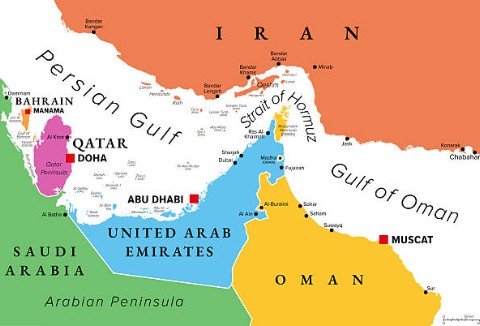
Oil prices moved sharply higher on Wednesday, with Brent crude rising to $67.86 per barrel, as renewed naval tensions in the Middle East combined with a steep decline in U.S. crude inventories to reignite concerns over global supply security. The rally marked a decisive shift in market sentiment, as traders refocused on immediate geopolitical and physical risks after a brief period of optimism driven by diplomatic signals.

Read More
Maritime Trade & Economy

US Reduces India Tariffs to 18% after Modi Commits to End Russian Oil Imports

President Donald Trump revealed on Monday plans to lower U.S. tariffs on Indian goods from 25% to 18%, after Indian Prime Minister Narendra Modi agreed to reduce purchases of Russian oil. The move comes after months of U.S. pressure on India to cut its reliance on discounted Russian crude, which India had increased following the February 2022 Russian invasion of Ukraine.

Read More
Maritime Trade & Economy

Canada and Australia LNG Cargoes Rerouted to Atlantic After Arctic Storm Disrupts U.S. Supply

In a rare shift in global liquefied natural gas (LNG) trade, at least three LNG cargoes from Australia and Canada are now heading toward Europe and the Americas instead of their usual Asian markets. The move comes after an Arctic storm in the U.S. disrupted gas production and limited LNG exports from Gulf Coast terminals, according to ship tracking data.

Read More
Maritime Trade & Economy

Rex Secures Jackup Rig for Offshore Oman Drilling

Singapore, listed Rex International is moving forward with offshore development drilling in Oman after its subsidiary Masirah Oil secured a jackup rig for operations at the Yumna field.
Masirah Oil confirmed that its parent company, Rex Oman, has signed a contract for the Energy Emerger jackup drilling rig, operated by Northern Offshore. The rig will drill three development wells at the Yumna field in offshore Block 50, with drilling activities scheduled to begin in March 2026.

Read More
Maritime Trade & Economy

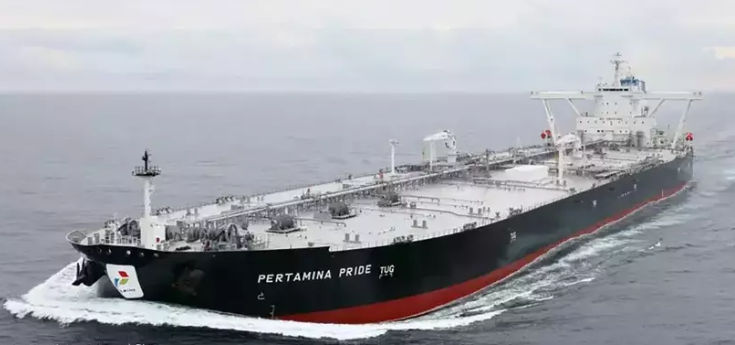
Venezuelan Oil Redirection Could Push Tanker Shipping Rates Higher

Potential redirection of Venezuelan crude oil exports could push tanker shipping rates higher in the near to medium term, as shipments shift from shadow tankers to the mainstream fleet, according to Fitch Ratings. Any similar shift of Iranian oil transportation from shadow tankers to mainstream vessels represents an additional upside risk, while key downside risks include the resumption of transit through the Suez Canal and slowing global economic growth.

Read More