Maritime Trade & Economy

Maritime Trade & Economy focuses on global shipping, seaborne commerce, and the economic dynamics shaping international trade. This category covers developments in maritime logistics, shipping markets, freight trends, port competitiveness, blue economy initiatives, and the economic impact of maritime policies and technologies. It provides insights into how oceans, ports, and shipping networks drive global trade, regional growth, and sustainable economic development.

Maritime Trade & Economy

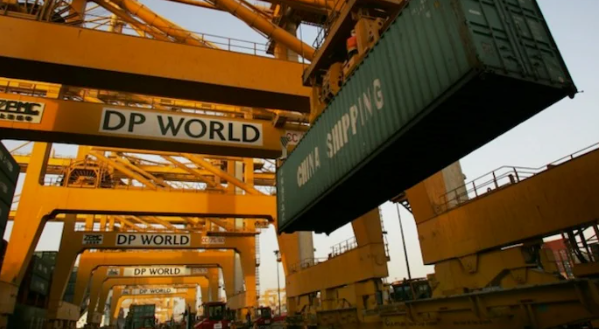
DP World Boosts India–Middle East Shipping Reliability with 5,000+ TEU Vessel Acquisition

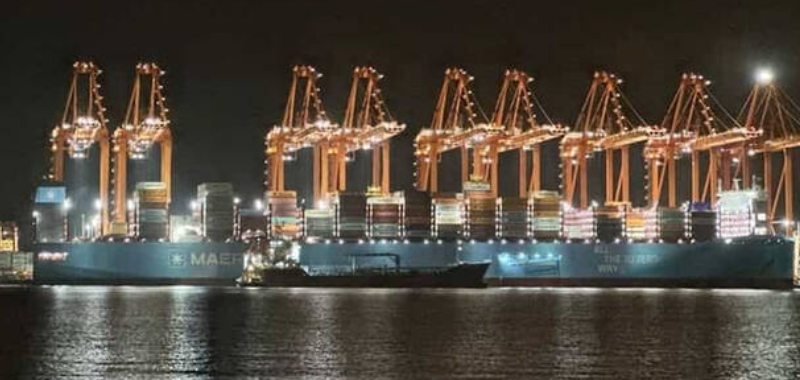
Dubai, UAE –DP World has strengthened trade connectivity between India and the Middle East following the acquisition of a 5,000+ TEU container vessel, DP World Chennai, under its Marine Services arm, Shipping Solutions.
The vessel has been integrated into the company’s Red Sea–Gulf–India service, reinforcing schedule reliability and enhancing regional supply chain performance. Its maiden call at Jebel Ali Port marks Shipping Solutions’ owned capacity exceeding 6 million TEU, further consolidating DP World’s operational footprint across key markets.
Read More
Maritime Trade & Economy

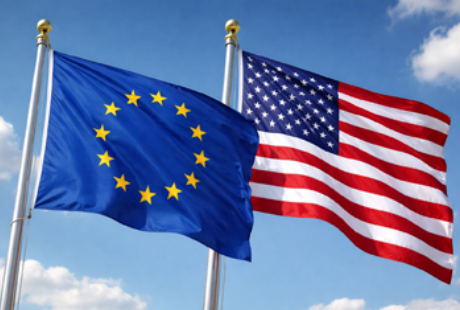
EU Rejects any US Tariff Increases after Supreme Court Ruling: ‘A Deal is a Deal’

The European Commission has urged the United States to fully respect the terms of last year’s EU-U.S. trade agreement following the U.S. Supreme Court’s decision to strike down former President Donald Trump’s global tariffs. The Commission, representing all 27 EU member states, called on Washington to provide “full clarity” on its next steps after the ruling.

Read More
Maritime Trade & Economy

US Customs to Halt Collection of Supreme Court-Blocked Tariffs Starting Tuesday

The United States will stop collecting certain import tariffs ruled illegal by the Supreme Court starting early Tuesday, according to an announcement by U.S. Customs and Border Protection (CBP).
CBP confirmed that it will halt the collection of tariffs imposed under the International Emergency Economic Powers Act (IEEPA) at 12:01 a.m. EST (0501 GMT) on Tuesday. The move comes more than three days after the U.S. Supreme Court determined that the duties were unlawful.

Read More
Maritime Trade & Economy

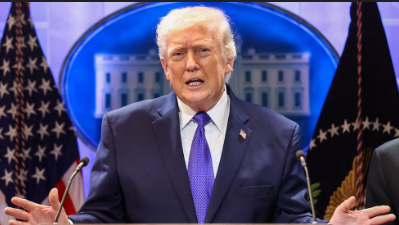
Trump Increases Global Tariffs to 15% Following Supreme Court Decision

US President Donald Trump has announced a sharp escalation in US trade policy, raising global tariffs to 15% just one day after a landmark ruling by the Supreme Court of the United States struck down his previous tariff measures.
The move increases the tariff rate from the 10% announced last Friday, when Trump invoked Section 122 of the Trade Act of 1974, a rarely used provision that allows the president to impose tariffs of up to 15% for a period of 150 days. Under the law, Congress must take action if the tariffs are to remain in place beyond that timeframe.

Read More
Maritime Trade & Economy

Oman’s Non-Oil Exports Rise 7.5% to RO 6.7 Billion in 2025 Amid Strong Re-Export Growth

Oman achieved a notable boost in its foreign trade performance in 2025, driven by a surge in non-oil exports and re-export activities, even as oil export revenues declined due to falling global crude prices.

According to the latest monthly statistical bulletin by the National Centre for Statistics and Information (NCSI), Oman’s non-oil exports increased by 7.5%, reaching approximately RO 6.7 billion in 2025, up from RO 6.2 billion in 2024. Re-export activities recorded even stronger growth, rising 20.3% from RO 1.708 billion in 2024 to RO 2.056 billion last year.

Read More
Maritime Trade & Economy

Cuba-Bound Tanker Carrying Russian Fuel Tests Trump Blockade amid Deepening Energy Crisis

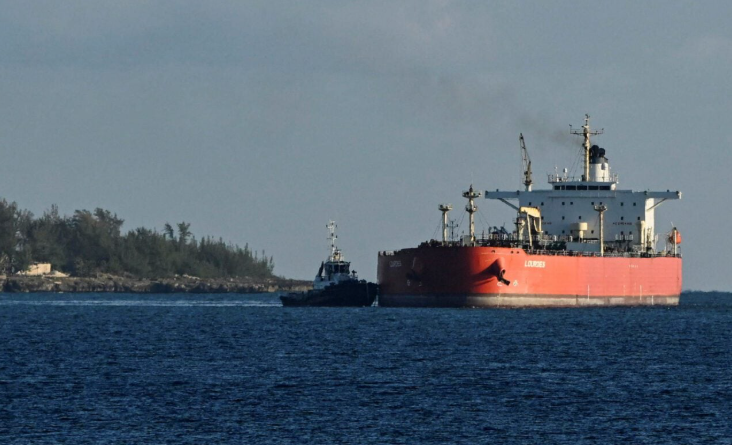
A tanker believed to be carrying Russian fuels is en route to Havana, Cuba, in a development that could challenge the oil blockade imposed by U.S. President Donald Trump’s administration amid a worsening energy crisis on the island. According to maritime intelligence provider Kpler Ltd, the vessel Sea Horse is expected to arrive in early March 2026 with nearly 200,000 barrels of Russian gasoil, a diesel-type fuel essential for transportation and power generation. The shipment was loaded via a ship-to-ship transfer off the coast of Cyprus, Matt Smith, lead oil analyst at Kpler.

Read More
Maritime Trade & Economy

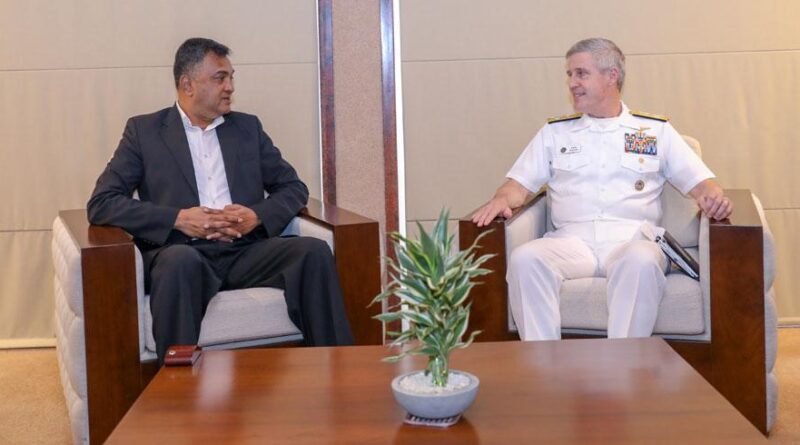
U.S.–Sri Lanka Defence Talks Boost Maritime Coordination and Humanitarian Support

Maritime cooperation emerged as a key focus during high-level talks between the United States and Sri Lanka, as the Commander of the United States Pacific Fleet, Admiral Stephen T. Koehler, met with Sri Lanka’s Defence Secretary, Air Vice Marshal Sampath Thuyacontha (Retd), at the Ministry of Defence on 19 February. The discussions highlighted the changing security dynamics in the Indian Ocean Region, with both nations recognizing the importance of strengthening collaboration to address emerging maritime challenges. Both parties stressed the need to enhance maritime domain awareness, improve information sharing, and coordinate effectively to respond to natural disasters and humanitarian crises.

Read More
Maritime Trade & Economy

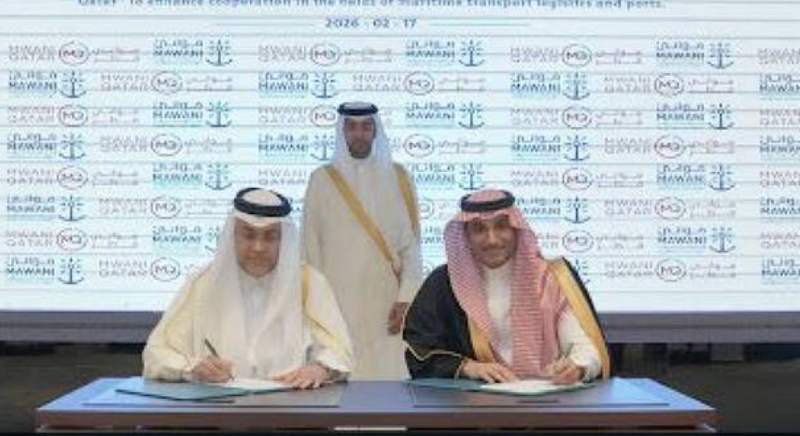
Mawani and Qatar Ports Sign MoU to Strengthen Regional Maritime Trade and Port Cooperation

The Saudi Ports Authority (Mawani) and Qatar Ports Management Co. have signed a new memorandum of understanding (MoU) aimed at enhancing maritime and logistics cooperation to drive regional and international trade growth.
The agreement was signed by Mawani President Suliman Al-Mazroua and Qatar Ports Management Co. CEO Abdullah Mohammed Al-Khanji, in the presence of Qatari Ambassador to Saudi Arabia Bandar bin Mohammed Al-Attiyah. The move underscores both sides’ shared commitment to advancing the ports and logistics sector, improving operational efficiency, and supporting stronger trade flows across the Gulf region.

Read More
Maritime Trade & Economy

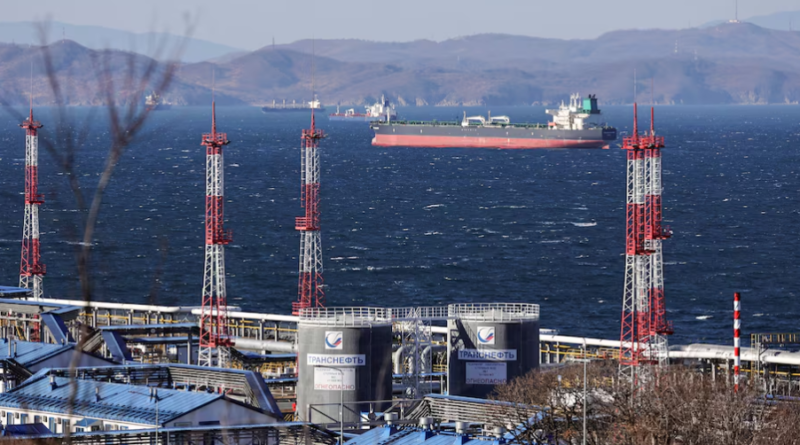
Hungary Turns to Croatia Amid Russian Oil Flow Disruption via Ukraine

Hungary and Slovakia have requested Croatia’s assistance to secure Russian oil supplies after flows via Ukraine were halted, prompting Hungary’s MOL company to release strategic crude reserves. The disruption, which started on January 27, has been attributed to a Russian attack on a Ukrainian pipeline, with Kyiv and Budapest exchanging accusations over responsibility. Ukrainian Foreign Minister Andrii Sybiha shared images on X showing Druzhba pipeline infrastructure on fire, while Hungary countered that Ukraine had cut power to the section of the pipeline. Slovak Prime Minister Robert Fico accused Ukraine of delaying the pipeline’s restart to pressure Hungary regarding its stance on Ukraine’s EU membership.

Read More
Maritime Trade & Economy

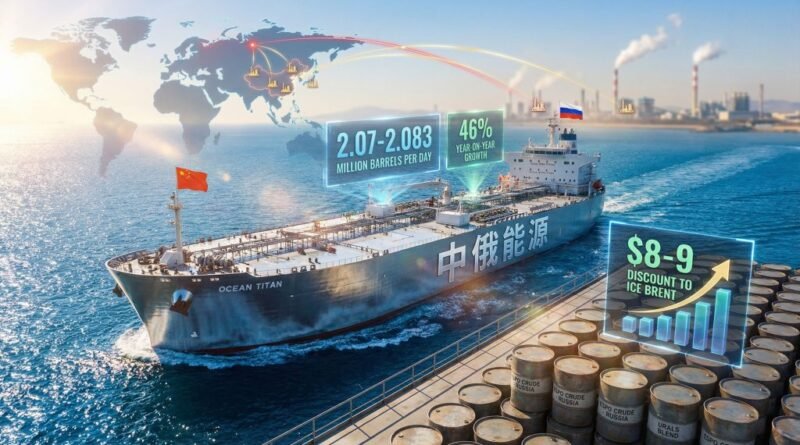
China’s Russian Crude Oil Imports Surge to Record Levels in February amid India’s Cutbacks

China’s imports of Russian crude oil are set to reach a new record high in February 2026, marking rising Chinese demand even as India scales back its purchases of Russian oil, according to traders and ship-tracking data. China’s Russian oil imports are estimated at around 2.07 to 2.083 million barrels per day in February, up sharply from January’s estimated 1.7 million bpd, driven largely by independent Chinese refiners snapping up heavily discounted cargoes amid shifting global trade patterns.

Read More
Maritime Trade & Economy

International Seminar Highlights Biofuels’ Role in Maritime Decarbonization

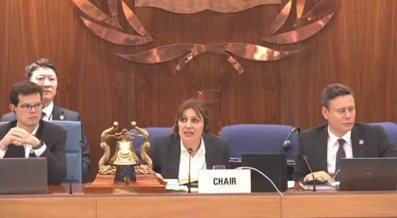
An international seminar organized by the IMO Future Fuels and Technology Project explored the latest developments in biofuels for the maritime sector, addressing both opportunities and challenges in using plant-based, waste oil, or agricultural residue fuels to reduce greenhouse gas (GHG) emissions from shipping. The seminar, held at IMO headquarters in London on 12 February, aimed to provide information and insights to policymakers and industry stakeholders on alternative fuels and emerging technologies, without engaging in formal policy negotiations.

Read More
Maritime Trade & Economy

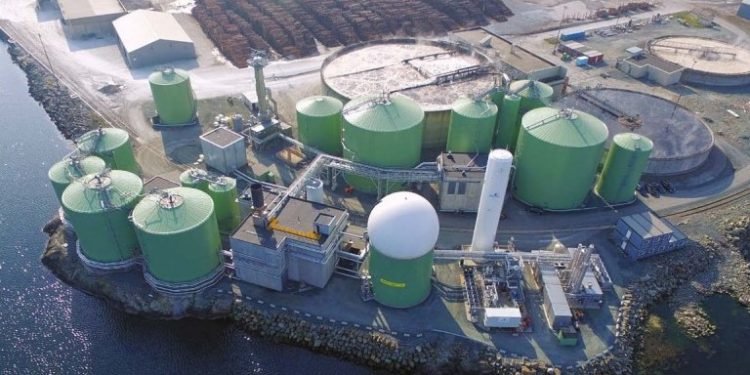
Bio-LNG and Biomethane: Driving Maritime Decarbonisation under EU Regulations

The International Maritime Organisation’s (IMO) Net Zero Framework (NZF) adjournment has increased the relative importance of European Union regulations, including FuelEU Maritime and the EU Emissions Trading Scheme (ETS). Shipowners with liquefied natural gas (LNG) engines are financially incentivized under these rules to transition to Bio-LNG, also known as biomethane, to meet decarbonisation targets. FuelEU Maritime strongly favors Bio-LNG because of its low to negative life cycle greenhouse gas (GHG) emissions and compatibility with existing LNG engines, offering a seamless pathway for operators to reduce emissions without extensive retrofitting.

Read More
Maritime Trade & Economy

IMO Net Zero Framework Sparks Debate Over Trade Costs in Africa

African maritime and trade officials are weighing the economic costs and strategic opportunities of proposed global shipping decarbonisation reforms under the International Maritime Organisation (IMO) Net Zero Framework (NZF), as concerns grow over potential impacts on freight rates, port competitiveness and trade flows across the continent. The debate took center stage on February 12, 2026, during the Regional African Port States Meeting on the IMO NZF held in Mombasa and convened by the Association of African Maritime Administrations (AAMA).

Read More