Chattogram Port Fuel Operations Stay Strong amid Middle East Tensions, 25 Tankers Discharged in March
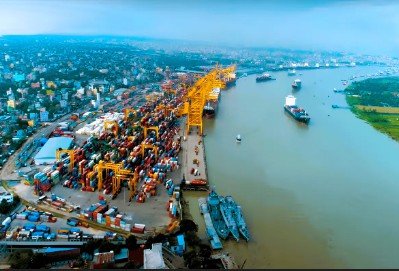
Despite escalating geopolitical risks linked to tensions involving the United States, Israel, and Iran, fuel supply chain operations at Chattogram Port remain stable, highlighting resilience in global maritime logistics and energy trade flows.

Between March 1 and March 22, a total of 25 fuel tankers successfully completed discharge operations, ensuring uninterrupted fuel imports and strengthening regional energy security. The continued throughput reflects strong port efficiency and operational continuity despite global shipping uncertainties and oil market volatility.
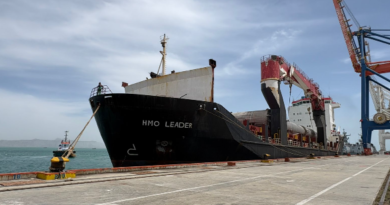
At present, LPG cargo handling is actively underway from a vessel arriving from Oman, reinforcing steady liquefied petroleum gas (LPG) supply to the domestic market. In parallel, another vessel transporting base oil from Thailand is currently positioned at the outer anchorage, awaiting berth allocation for discharge.
Further boosting inbound maritime traffic, the tankers BWEK BORNHOLM and MORNING JANE are en route and expected to reach port limits by March 25, adding to the port’s fuel handling capacity and import volumes.
Operational updates also confirm that the LPG carrier LPG SEVAN, arriving from Oman, is presently engaged in gas unloading activities. Meanwhile, the vessel AB OLIVIA, which delivered base oil cargo from Thailand, remains stationed at Bravo Point in the outer anchorage, pending unloading clearance.
This sustained level of activity at Chattogram Port underscores the robustness of global oil and gas shipping, tanker logistics, and port infrastructure, even as geopolitical tensions continue to influence international energy markets and maritime trade routes.